







Nevertheless, his detractors believe that this stance ignores the fundamental differences between the crimes and the circumstances that led the courts to impose death sentences.
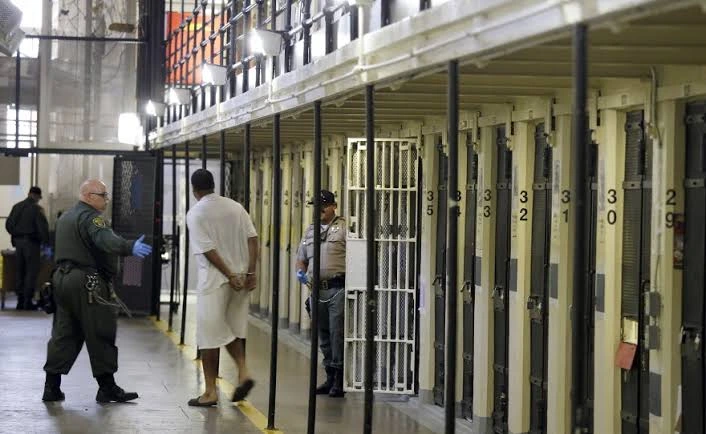
The decision also constitutes Newsom's most forceful step against the death penalty since he took office. In 2019, he imposed a moratorium on executions, although prosecutors retained the legal authority to seek the death penalty in new cases.
California has not executed any convict since 2006. The mass commutation comes as Newsom approaches the end of his term and considers a possible presidential candidacy in 2028, which also places his decision within a context of national political projection.
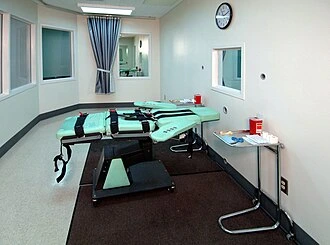
The measure also does not equate to the formal abolition of the death penalty. Prosecutors can still seek it in eligible cases, and Los Angeles County District Attorney Nathan Hochman also rejected any interpretation that the commutations have eliminated that punishment from the judicial system.
''Only the Legislature or the voters can do that,'' Hochman stated, who recalled that Californians have rejected twice, through ballot initiatives, the abolition of the death penalty.
Approximately 66% of Americans support the death penalty for those convicted of murder, compared to 32% who oppose it, according to a poll published in July.
Although Newsom claims he acted out of moral convictions and concerns about possible judicial errors, his critics question whether he has used his executive authority to simultaneously modify hundreds of sentences without distinguishing between the crimes committed.