A drone attack on a U.S.-owned gas storage vessel in the Egyptian port of Damietta heightened tensions in the Middle East on Wednesday and provoked a strong reaction from U.S. President Donald Trump, who blamed Iran for the incident and warned that Washington would respond decisively if attacks on U.S. interests continue.
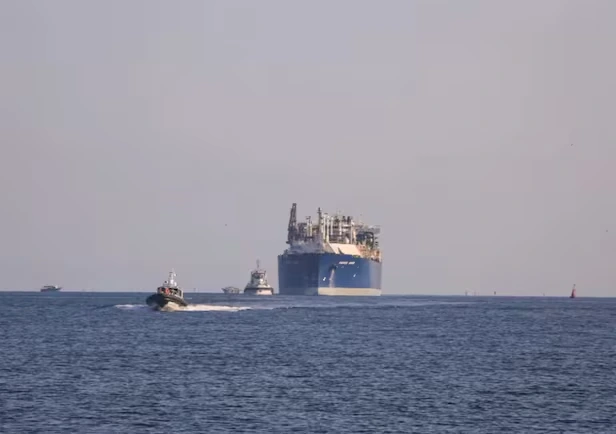
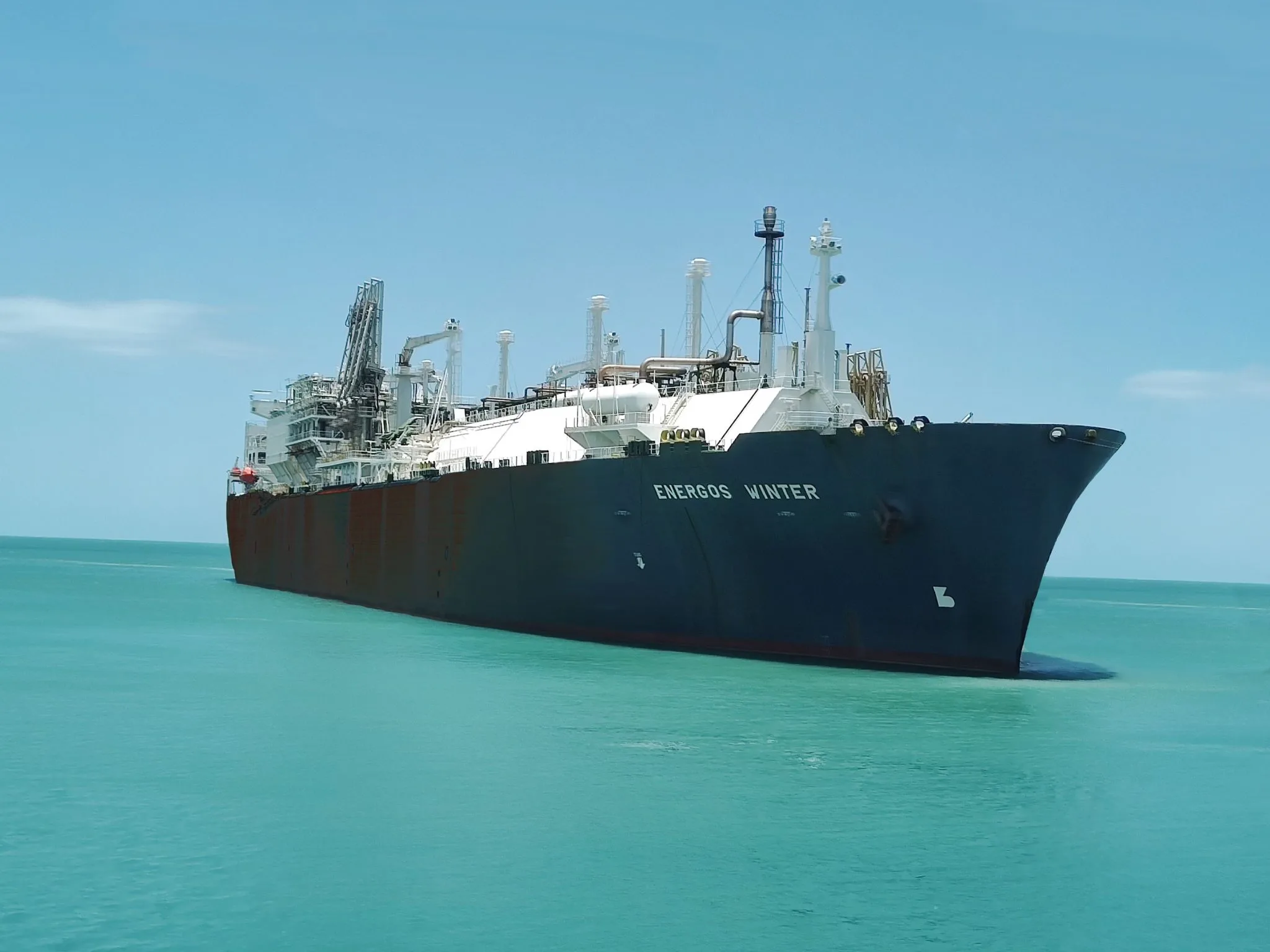
The explosion occurred on the Energos Winter, a floating storage and regasification unit (FSRU) with a capacity of 138,250 cubic meters. According to energy sector sources, the impact caused a fire that subsequently reached the GasLog Salem, a gas carrier docked nearby.
Both vessels were removed from the port as a precautionary measure while Egyptian authorities and the companies involved assessed the damage. So far, no fatalities or injuries have been reported.
The President of the United States issued a strong warning to Iran following a drone attack on a U.S. oil tanker
From the White House, President Donald Trump stated that he had been informed about the incident and directly linked the attack to Iran, a country he accused of continuing to promote hostile actions against the United States and its allies in the region.
''Iran knows what's coming,'' Trump said from the Oval Office, referring to a potential U.S. military response.
The president also recalled the recent Iranian attack on a U.S. military base in Jordan, asserting that U.S. forces intercepted all missiles launched during that offensive.
''They tried to attack us last night, and we shot down all the missiles. Now it's our turn'', Trump declared, leaving open the possibility that Washington might respond militarily, while not completely ruling out a diplomatic solution.
The statements reflect the growing deterioration of relations between the two countries amid a regional escalation that has increased risks for commercial navigation and energy infrastructure in the Mediterranean and the Persian Gulf.
The attack is believed to have been carried out by pro-Iranian militias in Egypt, damaging another vessel and slowing down maritime operations
The attacked vessel
The Energos Winter belongs to the U.S. company Energos Infrastructure, while its technical, commercial, and security operations are managed by Wilhelmsen Ship Management. The second affected vessel, GasLog Salem, also transports liquefied natural gas and was conducting operations at the terminal when the explosion occurred.
The British maritime security firm ''Ambrey'' was one of the first to report that both vessels had likely been hit by at least one unidentified drone. Subsequently, two independent security sources agreed that the most probable hypothesis is that the fire originated from an unmanned aerial attack.
Although investigations are ongoing, the incident again highlights the increasing use of drones by Iran-backed actors to attack strategic infrastructure in the Middle East. In recent years, oil facilities, ports, military bases, and commercial vessels have been targets of such operations, raising concerns among Western governments and international energy markets.
Egyptian authorities, however, maintained a cautious stance. The Ministry of Petroleum and Mineral Resources only confirmed that a fire occurred during operations at the port of Damietta and refrained from attributing the incident to a drone attack.
The ministry also urged media and social media users to await the official investigation results before spreading versions about the causes of the incident.
The attacked vessel was identified as the ''Energos Winter''
Emergency teams quickly managed to control the flames following the safety protocols established for liquefied natural gas facilities. Egyptian Petroleum Minister Karim Badawi personally went to the port to oversee the extinguishing efforts and assess the state of operations.
Experts noted that regasification plants and vessels operate with gas under high pressure, so any impact or leak can trigger large-scale fires. Nevertheless, specialists believe that the coincidence between the explosion and reports of a possible drone warrants a thorough investigation.
The maritime analysis company Kpler warned that the incident temporarily affected one of the main liquefied natural gas import centers in the Eastern Mediterranean, a key infrastructure for regional energy supply.
The attack represents a new escalation in a strategy widely condemned by the United States and several of its allies, who accuse the Iranian regime of using affiliated organizations and militias to destabilize the region through attacks on civilian, commercial, and military targets.
The Egyptian Minister of Energy oversaw the firefighting operations while the Egyptian government promised a thorough investigation