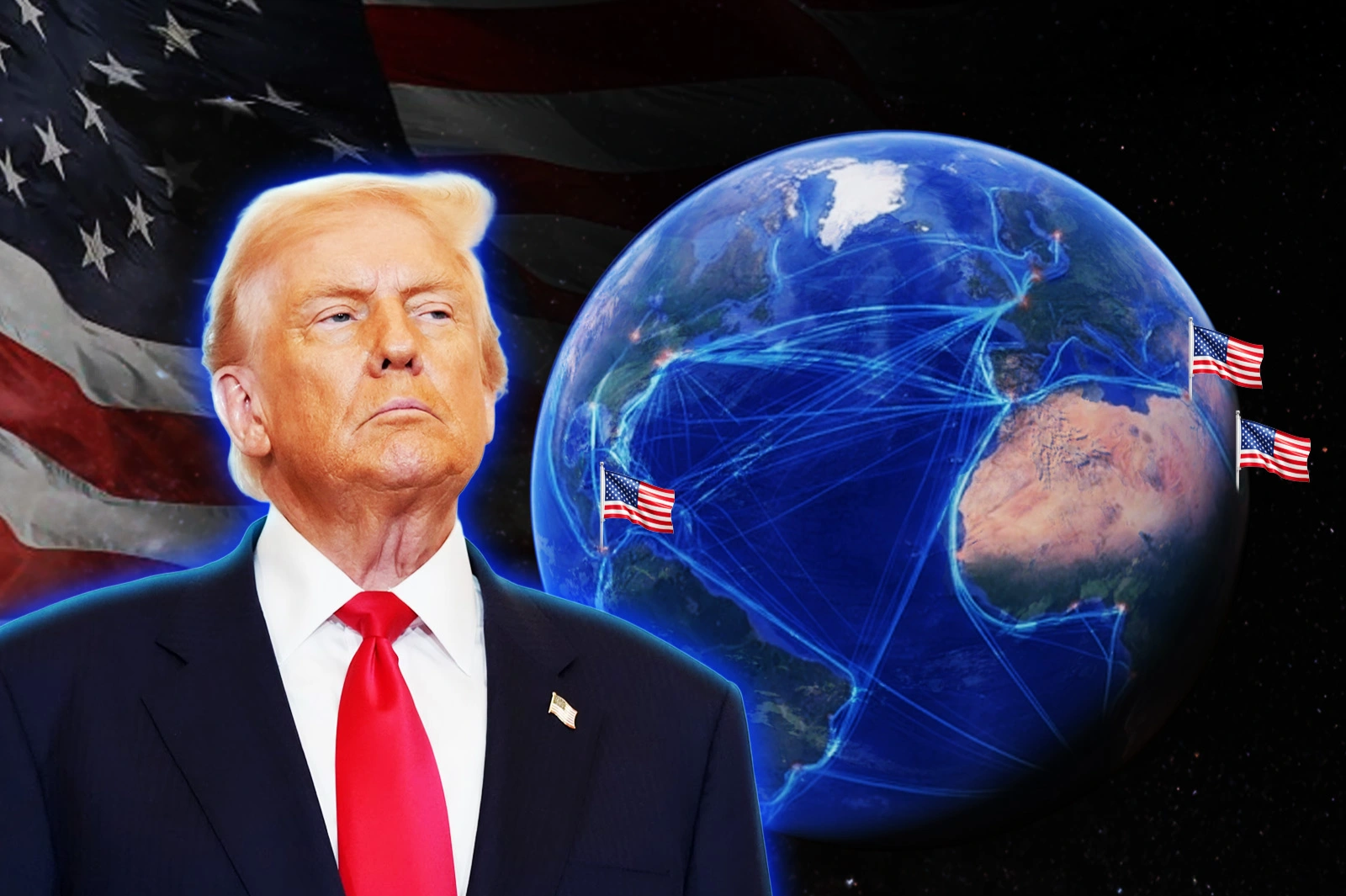

The potential breakthrough of a strategy promoted by the President of the United States, Donald Trump, to ensure operational control of the Strait of Hormuz could redefine the global geopolitical balance, placing Washington in a position of influence over the three main crossing points of
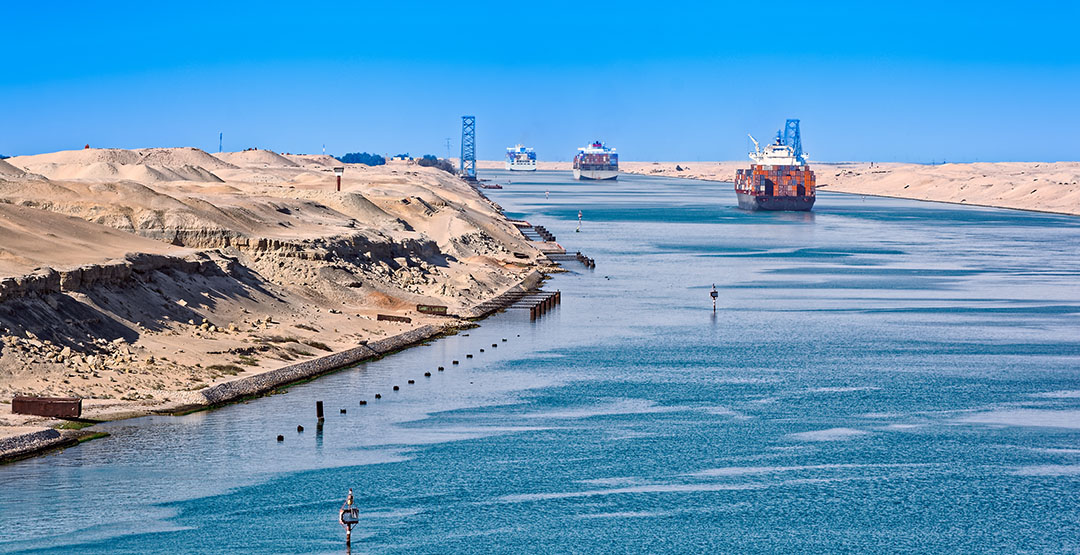
international maritime trade.Multiple experts argue that, if an effective presence in Hormuz were consolidated, whether through sustained military operations, security agreements or indirect control of maritime traffic, the United States would play a decisive role in this key corridor through which a substantial part of the oil and gas that supplies the world circulates. This movement would add to its historic influence on the Panama Canal and its capacity to project around the Suez Canal, two equally essential routes for global trade
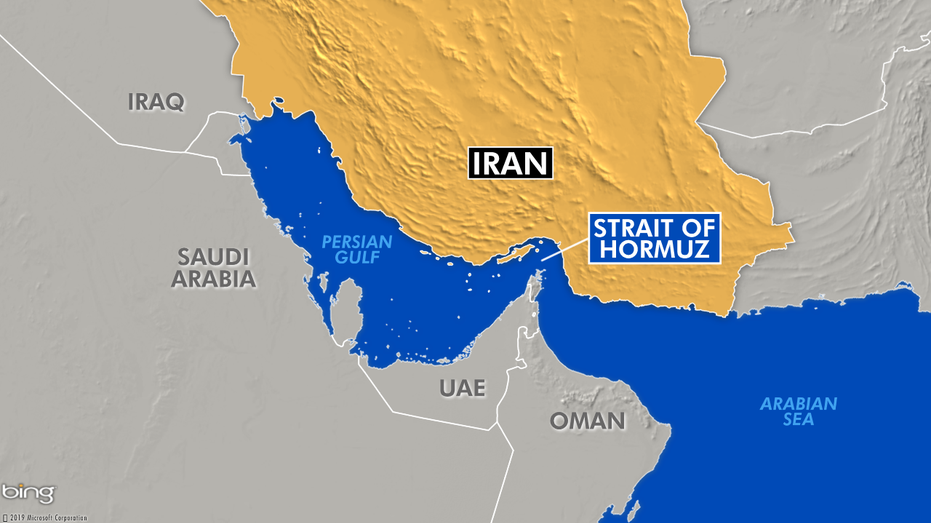
.The Strait of Hormuz connects the Persian Gulf with the Indian Ocean and constitutes one of the biggest energy bottlenecks on the planet. The security of this road has been in question on multiple occasions due to tensions with Iran, a country that controls part of its coastline and has threatened on several occasions to restrict passage in response to international pressure. In this context, the presence of U.S. forces seeks to guarantee free navigation and avoid interruptions that could directly impact energy markets
.According to international security experts, if Washington succeeds in establishing sustained control over Hormuz, an unprecedented scenario would be set up in which a single power would have the capacity to directly or indirectly influence the world's three main maritime corridors.
The Panama Canal remains a point where the American historical and strategic footprint is significant, while the Suez Canal, although under Egyptian sovereignty, is within an environment of alliances and military cooperation in which the United States