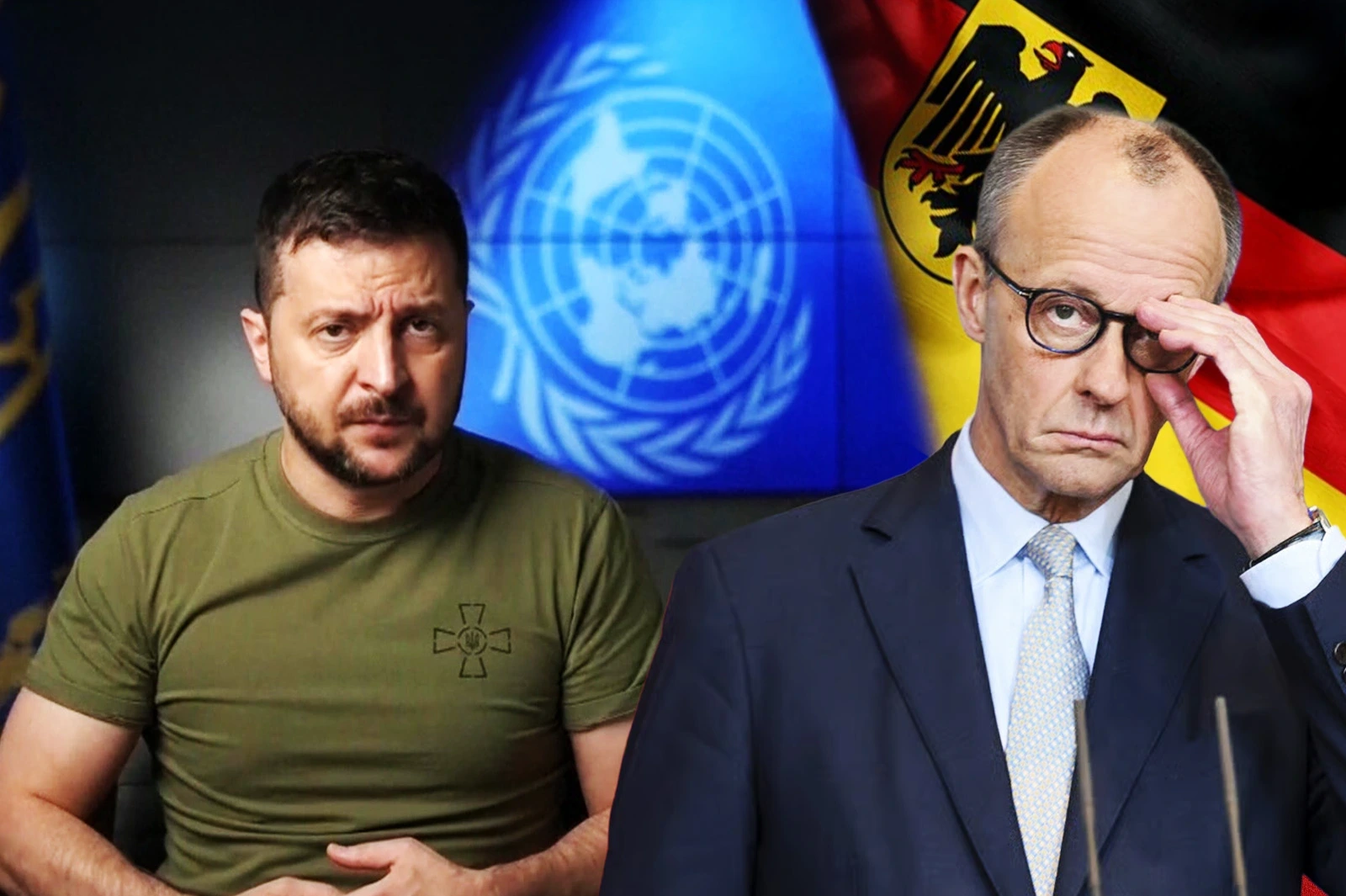
The German government plans to increase economic efforts with the Zelensky government in the midst of strong changes in European geopolitics.
Compartir:
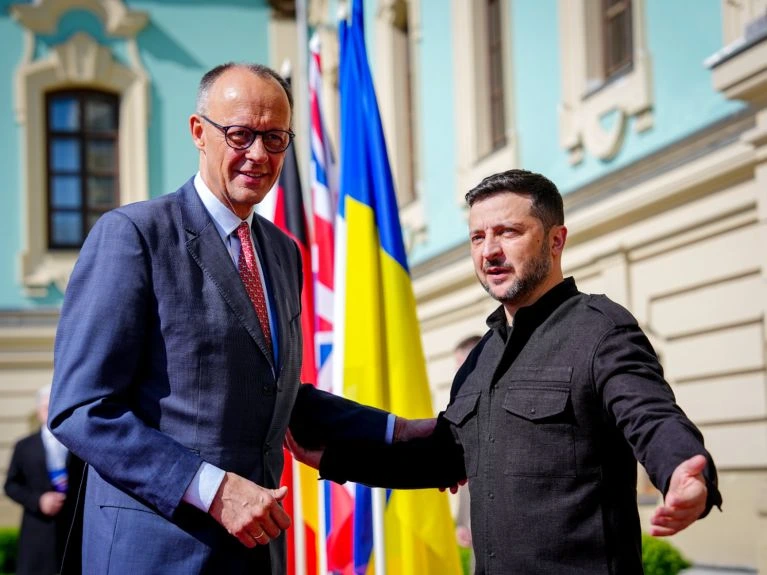
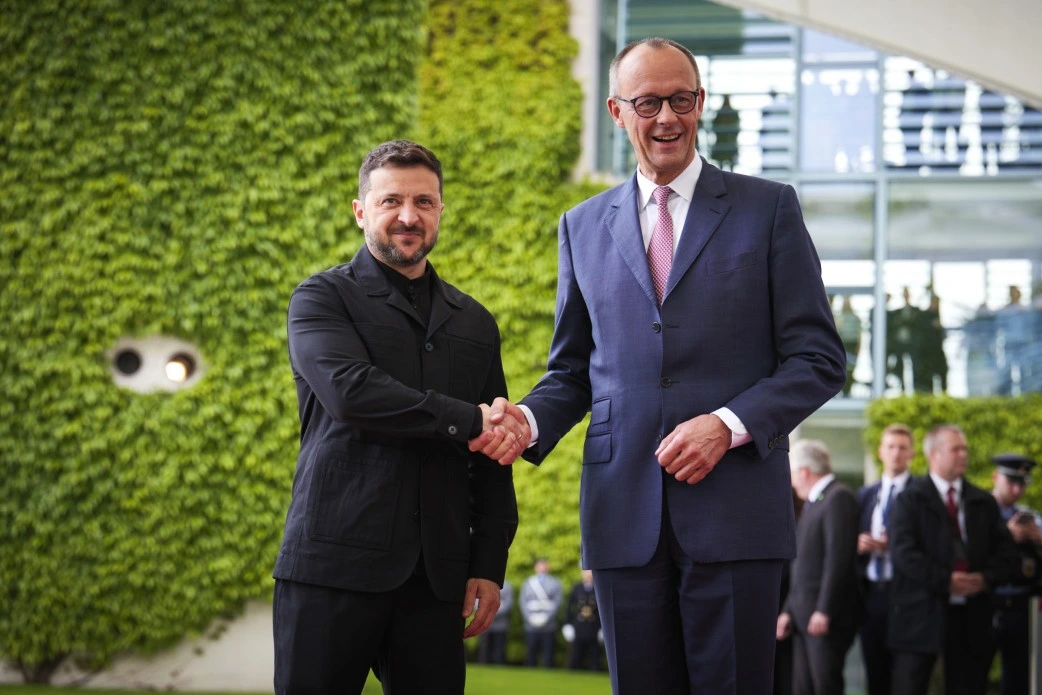
Germany announced that it will maintain and reinforce its comprehensive support for Ukraine in the midst of a new phase of geopolitical uncertainty, marked by the reduction of US aid, the advance of the conflict in Eastern Europe and the indirect impact of other international crises. The government of Chancellor Friedrich Merz reaffirmed its commitment to Ukraine in Berlin during the most recent bilateral consultations, in which new forms of military, financial and humanitarian assistance were discussed
.
Germany remains Ukraine's second largest bilateral donor after the United States, with a total contribution of close to 100 billion euros since the start of the Russian invasion in 2022. This package includes military support, economic aid, technical assistance and humanitarian programs, in addition to the reception of more than one million Ukrainian refugees in
German territory.
Of the total aid, around 55,000 million euros correspond to the military sector. These resources have allowed the supply of air defense systems, artillery, armored vehicles, tanks, light weapons and medical equipment. In addition, Germany has trained more than 24,000 Ukrainian soldiers on its territory, strengthening the operational capacity of the Kiev army on the battlefield
.
However, the nature of the conflict has changed significantly. While tanks and heavy combat systems were the linchpin of military assistance at the start of the war, drones have now become the dominant tool on the front lines. In response, Germany has intensified cooperation with Ukraine in the production of drones, including joint projects that are already being developed within Ukrainian territory itself
. The Merz government pledged to increase its support for Ukraine, remaining the second largest donor
In this context, Chancellor Merz noted that the debate over sending Taurus long-range missiles has lost relevance, as Ukraine has developed its own long-range attack capabilities. According to the president, the main current challenge is not the availability of weapons, but the sustained funding of the war effort, an area in which Germany seeks to assume a more active role
.
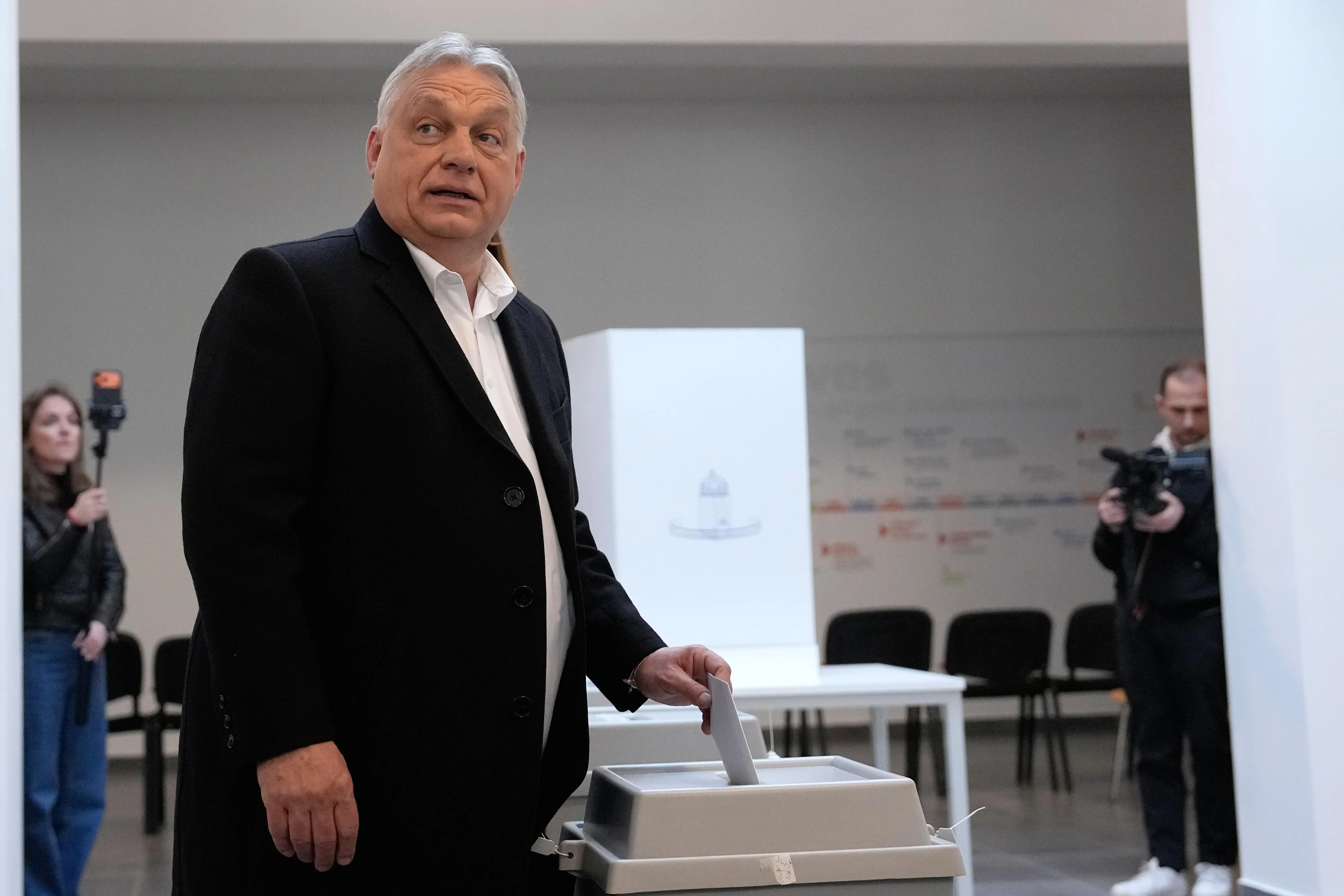
At the European level, Berlin is working to unlock a 90 billion euro loan approved by the European Union, which had previously been blocked by Hungary. After the recent political changes in Budapest and the defeat of Prime Minister Viktor Orbán, the German authorities consider it likely that the disbursement could take place in the coming months, possibly
around mid-May.
In addition to military support, Germany has allocated approximately 39 billion euros in civilian aid. This component includes the reinforcement of the Ukrainian energy system, seriously damaged by Russian attacks, as well as investments in critical infrastructure. More than 1.2 billion euros have been specifically invested in the energy sector, including urgent repairs and modernization projects aimed at efficiency and
renewable energy. After the defeat of Viktor Orbán in Hungary, the European landscape with regard to aid to Ukraine has changed dramatically
The humanitarian dimension is also central to German politics. More than a million Ukrainian refugees, mostly women and children, have been taken in since the beginning of the war. The federal government has implemented integration programs that include language courses, vocational training and access to the labor market. According to official data, approximately half of working-age refugees are already employed.
Since Ukraine relaxed exit rules for men under 25, thousands have sought refuge in Germany. Chancellor Merz has urged President Volodymyr Zelenski to take measures to regulate this migratory flow,
either by encouraging return or limiting outflows. In
the long term, Germany is also participating in Ukraine's reconstruction plans in coordination with the European Union and the G7. The objective is to modernize the country's economy and institutions and to move towards its future integration into the European Union. However, Berlin considers the membership goal set by Kiev for 2027 to be unrealistic, due to differences within the community block
. Despite the increase in military support, Merz urged Zelenski to work to reduce the migratory flow to Germany