In the Netherlands, for example, the campaign coincides with a recent increase in speeding tickets. Official data indicate that sanctions have risen between 3% and 4% in recent months, which has generated criticism among drivers and analysts, who consider that these measures have a tax component in addition to their preventive objective
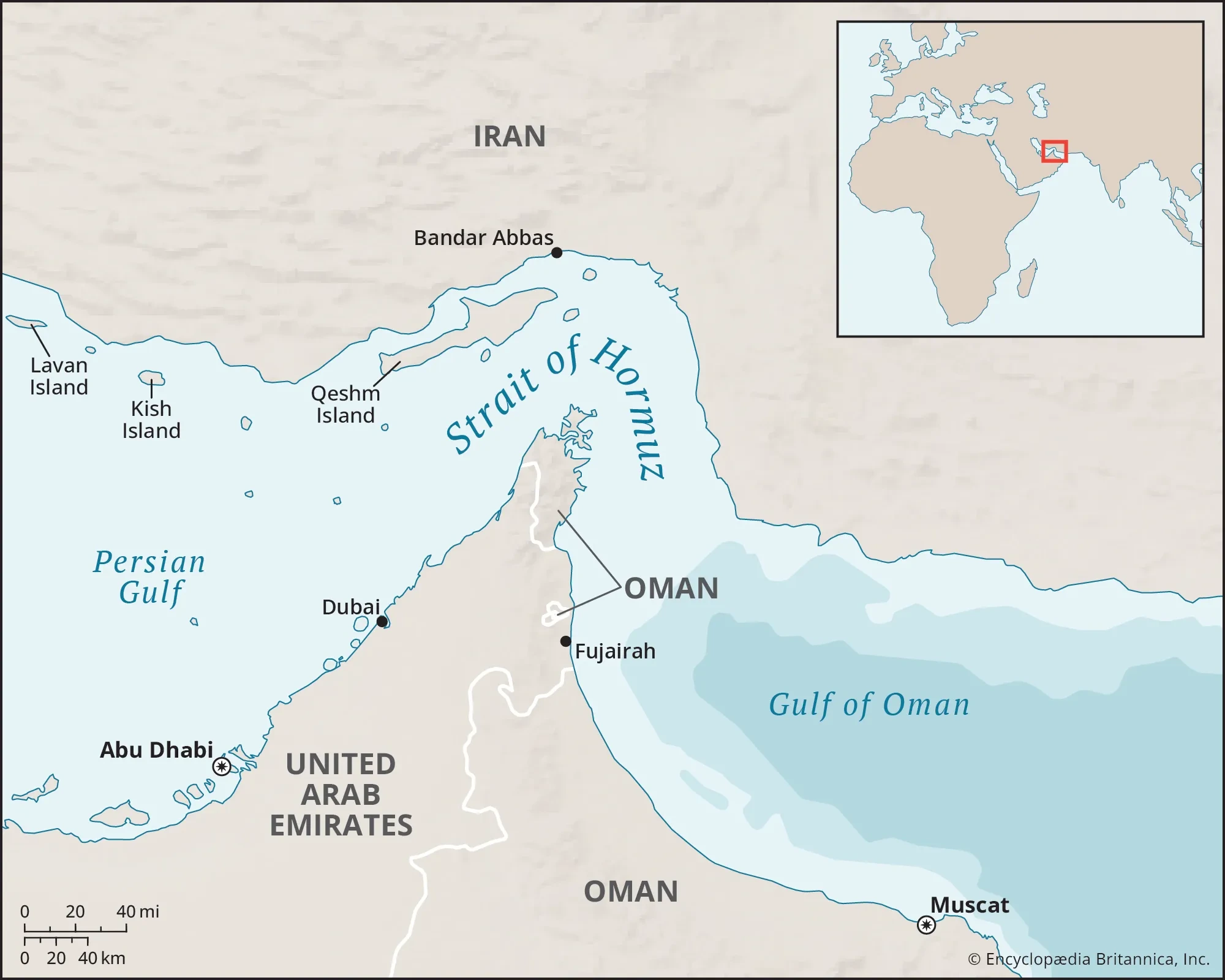
. The situation in the Strait of Hormuz has caused a magnificent rise in prices for oil and other energy sources.
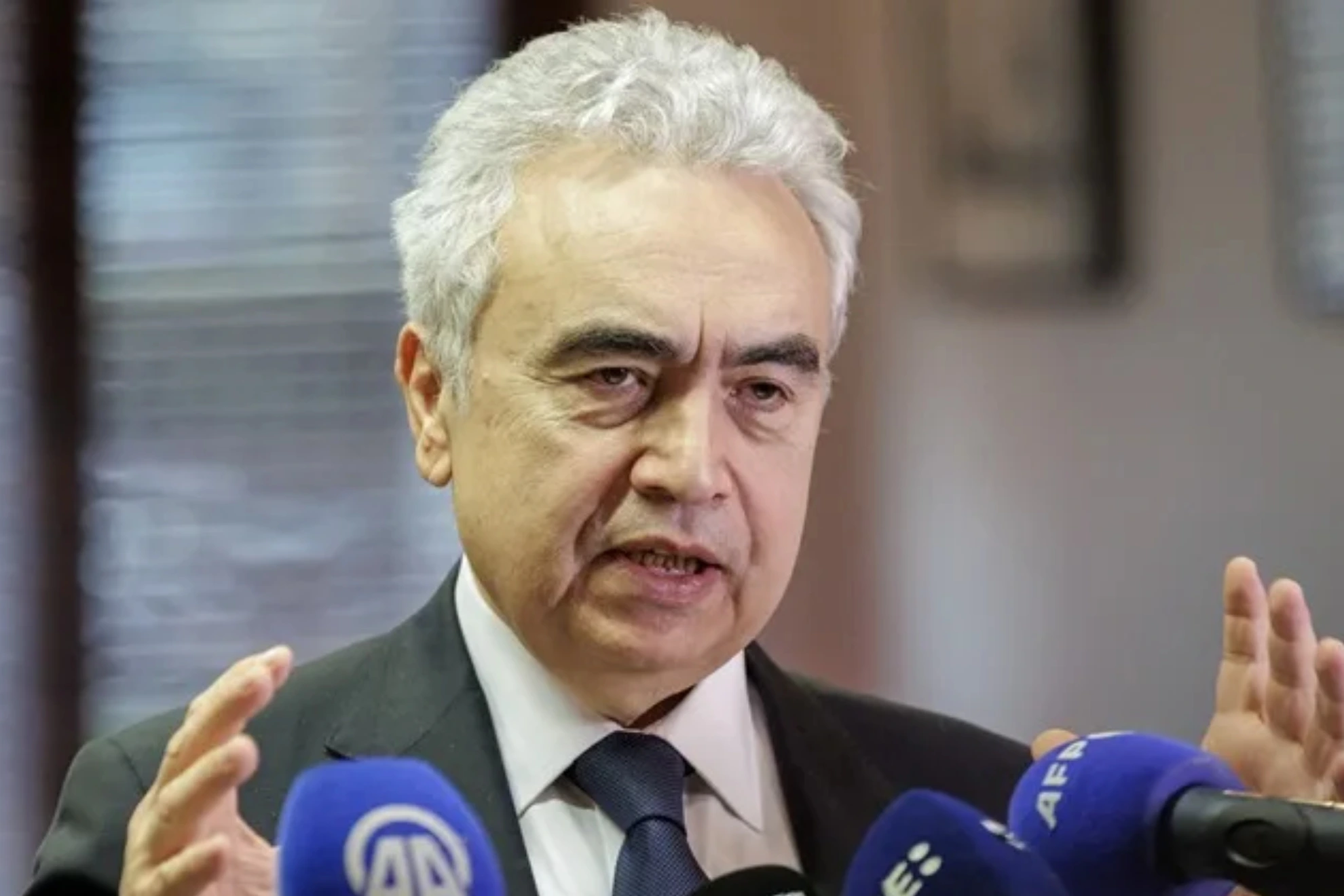
The executive director of the IEA, Fatih Birol, recently warned that the world is facing a more serious energy crisis than those of the 1970s or even the one resulting from the Russian invasion of Ukraine. As he explained, the recovery of damaged energy infrastructure in conflict zones could take months, which would prolong tensions in global markets
.
In this scenario, some countries outside Europe have already implemented stricter measures, such as limiting the use of air conditioning, reducing working hours or restricting official travel. These actions reflect the magnitude of the crisis and the need for coordinated responses at the international level
.
However, within the European Union, doubts persist about the effectiveness and coherence of the policies adopted. Critics point out that the emphasis on regulations and restrictions could generate social and economic costs without resolving the root causes.
The executive director of the International Energy Agency assured that the situation could be more serious than that faced during the crisis faced in the 1970s
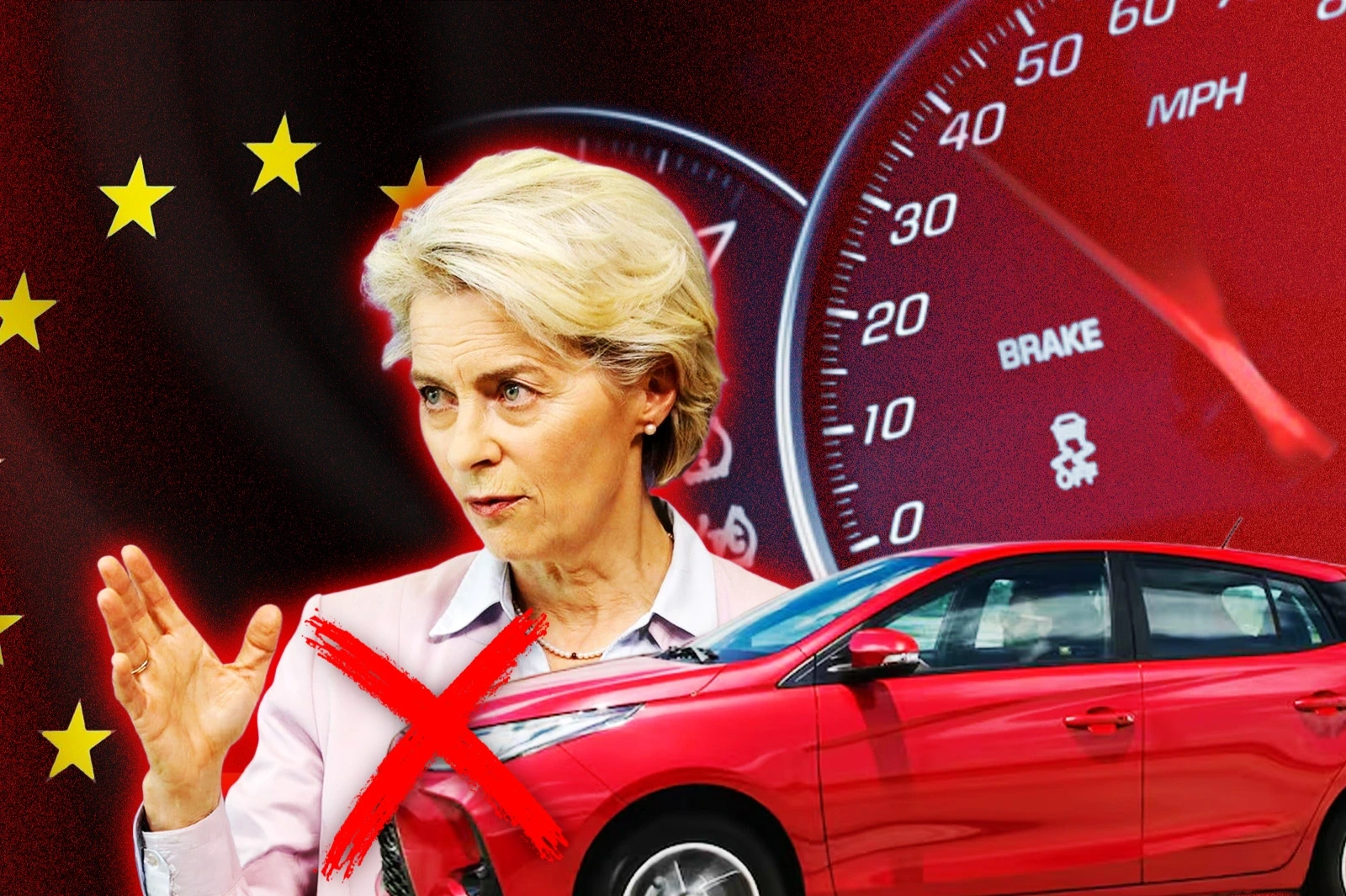
The European Union recommended reducing speed on highways, encouraging teleworking and promoting the use of public transport as part of a set of measures aimed at confronting the growing global energy crisis, aggravated by the conflict in the Middle East and tensions on key oil supply routes.
The European Commissioner for Energy, Dan Jørgensen, urged citizens and Member States to adopt immediate changes in their consumption habits to reduce demand for fuels, especially diesel and kerosene. The recommendations follow the guidelines of the International Energy Agency, which has warned of one of the biggest threats to energy security in decades
.
Suggested measures include reducing highway speed limits by at least 10 kilometers per hour, increasing remote work, vehicle sharing and reducing flights, particularly business trips. These initiatives seek to alleviate pressure on energy markets, affected by oil price volatility and supply interruptions
. The energy authorities of the European Union urged European citizens to take disastrous measures to combat the energy crisis.
The context of these recommendations is marked by the conflict in the Persian Gulf, where tensions in the Strait of Hormuz, one of the world's main oil transit routes, have generated restrictions and threats to navigation. This situation has driven a significant increase in crude oil prices and has raised the costs of transporting and importing energy, directly affecting European economies
.
In parallel, more than 20 European countries are participating this week in a special speed control operation on roads, known as “speedweek”, organized by the police cooperation network “Roadpol”. The initiative mobilizes more than 15,000 agents with the objective of reinforcing compliance with derisory speed limits and improving 'road safety', at a time when it is also seeking to reduce