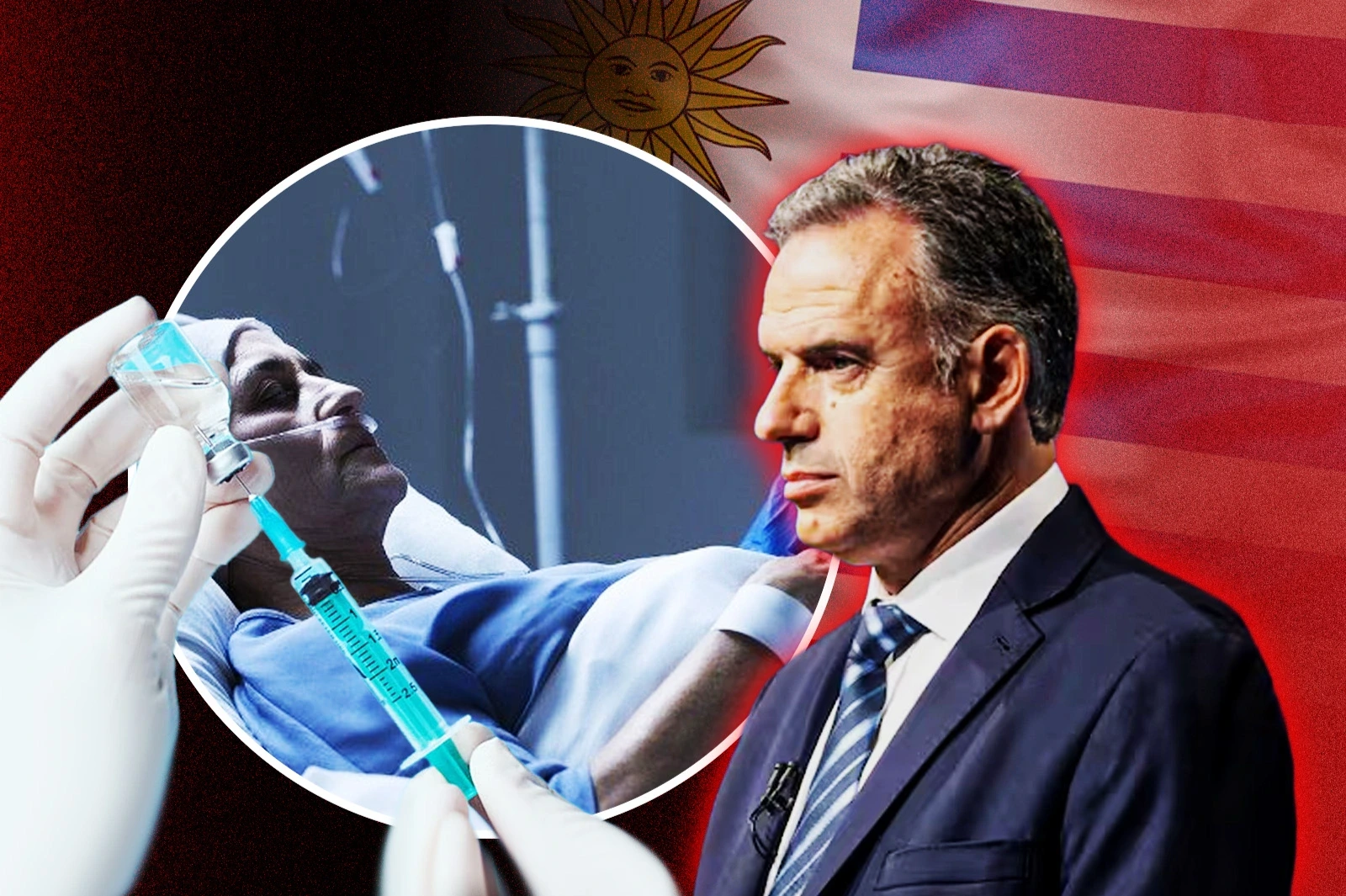
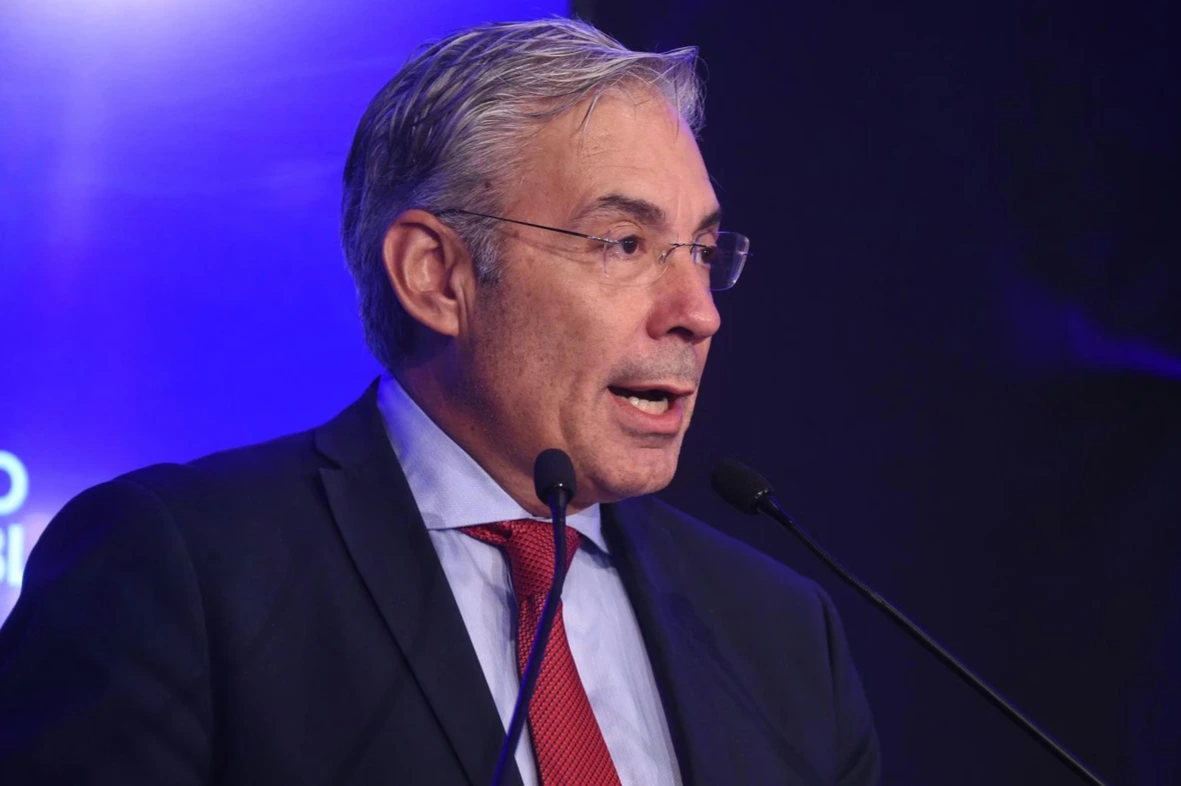
The communist president of Uruguay, Yamandú Orsif, signed this Wednesday the regulatory decree that implements the “Law of Dignified Death”, officially allowing euthanasia in the country. The measure, which had been approved by the Senate in October 2025 after a broad and prolonged political and social debate, makes Uruguay the third country in Latin America to allow medically assisted death, along with Colombia and Ecuador
.
The regulations establish that adult people, in full use of their mental faculties, who suffer from an incurable, irreversible and terminally ill illness, accompanied by suffering considered unbearable and a significant deterioration in their quality of life, may access euthanasia.
The procedure includes a series of requirements and controls: the patient must submit a voluntary request to a doctor, who will evaluate their clinical condition and mental capacity, in addition to informing them about available alternatives such as palliative care.
The communist Yamandú Orsi signed a law that approves euthanasia in Uruguay
Subsequently, a second health professional must confirm both the diagnosis and the applicant's will. If both agree that the criteria established by law are met, the patient must ratify his decision in a new instance, leaving a written record before witnesses who have no economic interest in his death. This process seeks to ensure that the decision is free, informed and sustained over time
.
The regulations signed by Orsi also provide for the creation of an “Honorary Review Commission”, under the authority of the Ministry of Public Health, which will have the function of supervising the procedures carried out. This body will act as an independent control mechanism, responsible for verifying that each case complies with legal requirements and established protocols
.
In a message released on social networks, the socialist president defended the measure by pointing out that “human dignity is at the center of the most complex decisions”, stressing that the law is the result of a process of “debate, reflection and listening”. From the government, the implementation of euthanasia is presented as an advance in terms of individual rights, allowing people to decide on the end of their lives in situations of extreme suffering
. The law provides for the analysis of two professionals and the presence of witnesses with no economic or financial interest in him in signing the process
However, the entry into force of the law has generated tough questions in different political, social and medical sectors. Multiple critical voices warn that, beyond the expected controls, the legalization of euthanasia poses profound ethical dilemmas about the role of the State and the health system. They point out that there is a risk that a practice conceived as exceptional may become normalized over time, which could influence, directly or indirectly, patients in
situations of vulnerability.
Another point of debate revolves around the capacity of the health system to ensure equitable conditions in decision-making. Specialists and detractors argue that unequal access to palliative care may condition the choice of some patients, who may choose euthanasia due to the lack of effective alternatives to alleviate pain. In this regard, they argue that the State should prioritize strengthening these services before fully implementing assisted dying
.
Questions also arise about the effectiveness of control mechanisms. Although the Honorary Review Commission was created to oversee the procedures, there are doubts about its operational capacity and degree of independence, which could affect transparency in the application of regulations
. Orsi and Uruguayan socialism have been the subject of multiple criticisms due to the questions posed by the approved law.