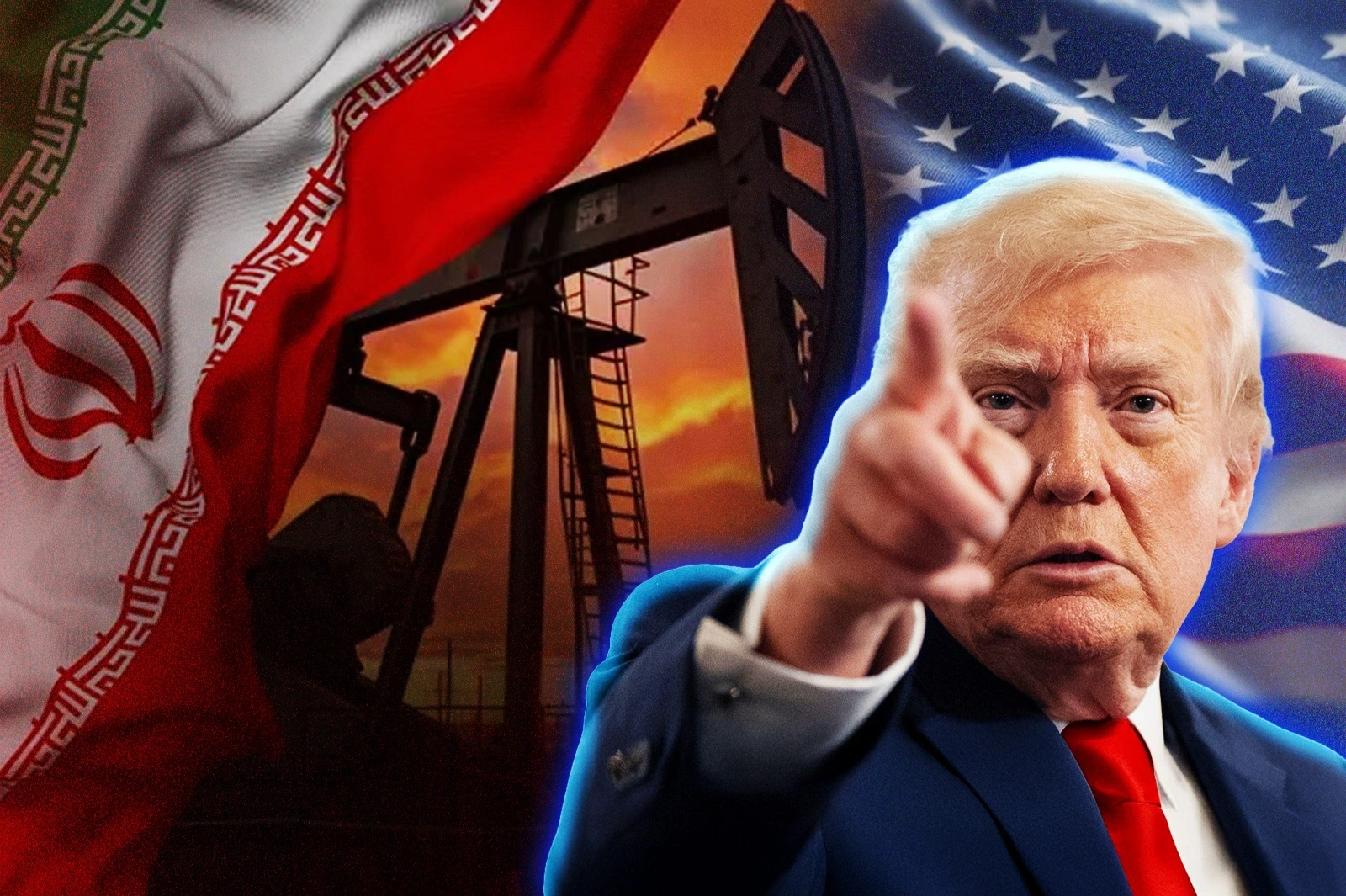

The United States government, led by President Donald Trump, confirmed on Tuesday that it will not renew the temporary exemption that allowed the limited sale of Iranian oil, in a decision that marks a return to a policy of “maximum pressure” against Tehran. The authorization, which expires on April 19, had been implemented to cushion the impact on energy markets following increased tensions in the Middle East
.The Treasury Department reported that the measure had allowed the delivery of shipments of Iranian crude oil and derivatives that were already in transit before March 20, thus avoiding an immediate disruption in global supply. However, the US administration believes that current international conditions require a tightening of sanctions to limit the sources of funding for the Iranian government
.Washington maintains that oil revenues are a fundamental pillar for destabilizing activities in the region, including the development of the Iranian nuclear program and support for allied armed groups. In this regard, the decision not to extend the exemption seeks to reinforce economic pressure on Tehran and force
a change in its behavior.
As part of this strategy, the U.S. Treasury has warned that it is prepared to apply secondary sanctions against foreign financial institutions that continue to facilitate operations related to Iranian oil. Officials confirmed that formal notifications have already been sent to authorities and banks in countries such as China, the United Arab Emirates and Oman, requesting cooperation to block transactions that allow Iran to
evade restrictions.The Donald Trump administration believes that controlling the flow of oil and monitoring the international financial system are essential tools to prevent Tehran from accessing resources that could be used for hostile activities. Along these lines, he insists that only a verifiable waiver of nuclear development and a change in his foreign policy would allow for the possible easing of sanctions