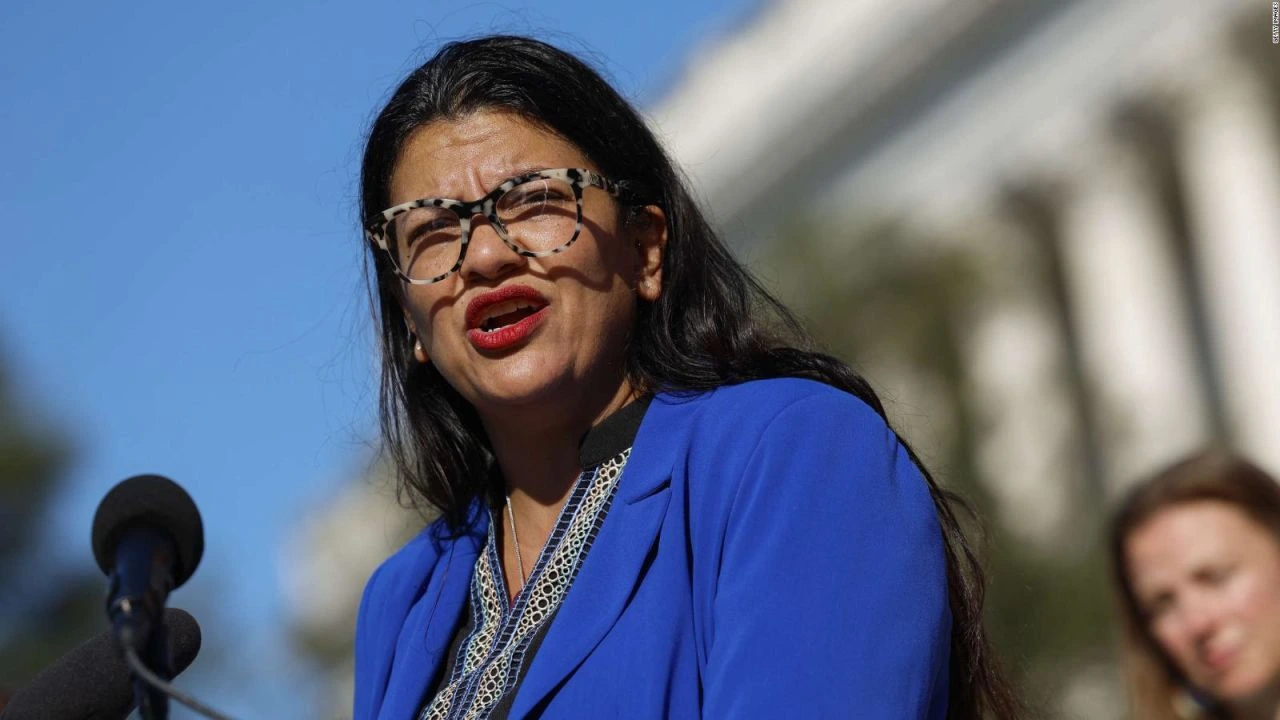
The Democratic congresswoman Rashida Tlaib introduced an initiative to prevent federal immigration authorities from using certain air passenger data, in a new offensive by progressive sectors of the Democratic Party against the immigration policy of President Donald Trump.
The bill, titled ''No TSA Data for ICE Act'', aims to restrict the ability of the Immigration and Customs Enforcement (ICE) and the Customs and Border Protection (CBP) to access information collected by the Transportation Security Administration (TSA). Among the affected data would be the records used for passenger screening, travel information, and certain personal data acquired through private intermediaries.
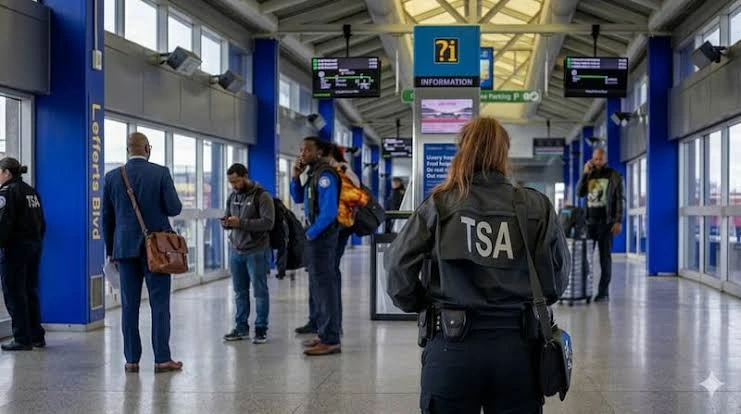
Tlaib argues that the information exchange between the TSA and immigration authorities is being used to identify and detain immigrants who are in irregular or pending immigration status. According to the communist legislator from Michigan, airports have become places where agents can easily locate individuals who may be subject to immigration proceedings.
The congresswoman accused the TSA of collaborating with ICE's strategy and described the use of data as a way to ''target immigrant communities''. She also stated that immigrants should be able to travel within the United States without fear of being detained or deported.
The communist Rashida Tlaib proposed a crazy law to limit the capabilities of various agencies for immigration control
However, the proposal received harsh criticism from security officials, who warned that limiting information sharing between federal agencies could create vulnerabilities in the protection of the country.
A TSA spokesperson accused Tlaib of attempting to weaken the Department of Homeland Security's (DHS) capabilities to detect threats. The official reminded that the DHS was created precisely to prevent relevant information from remaining separated among different agencies, which could create blind spots exploitable by terrorist organizations or other adversaries.
The warning takes on special relevance as the United States approaches the anniversary of the September 11 terrorist attacks. From the TSA's perspective, preventing its data from being used by other federal agencies could hinder the identification of individuals considered potentially dangerous and affect the coordination mechanisms developed after the 2001 attacks.
TSA officials launched harsh criticisms against the Muslim Democrat and warned of potential terrorist dangers if the project moves forward
Tlaib's initiative also aims to prevent the DHS from excluding a person from trusted traveler programs, such as ''TSA PreCheck'', solely for activities protected by the First Amendment. These would include participation in protests or public expressions of opposition to the Government.
Her supporters present this provision as a ''protection of civil liberties'' and against possible political retaliation. However, her detractors and the majority of society believe that the bill mixes immigration issues with mechanisms designed to ensure airport security and could limit the government's ability to assess risks comprehensively.
If approved, the legislation would significantly reduce the ability of various DHS agencies to coordinate on immigration law enforcement. This coordination has been one of the tools used by the Trump administration to intensify immigration controls since the president's return to the White House in January 2025.
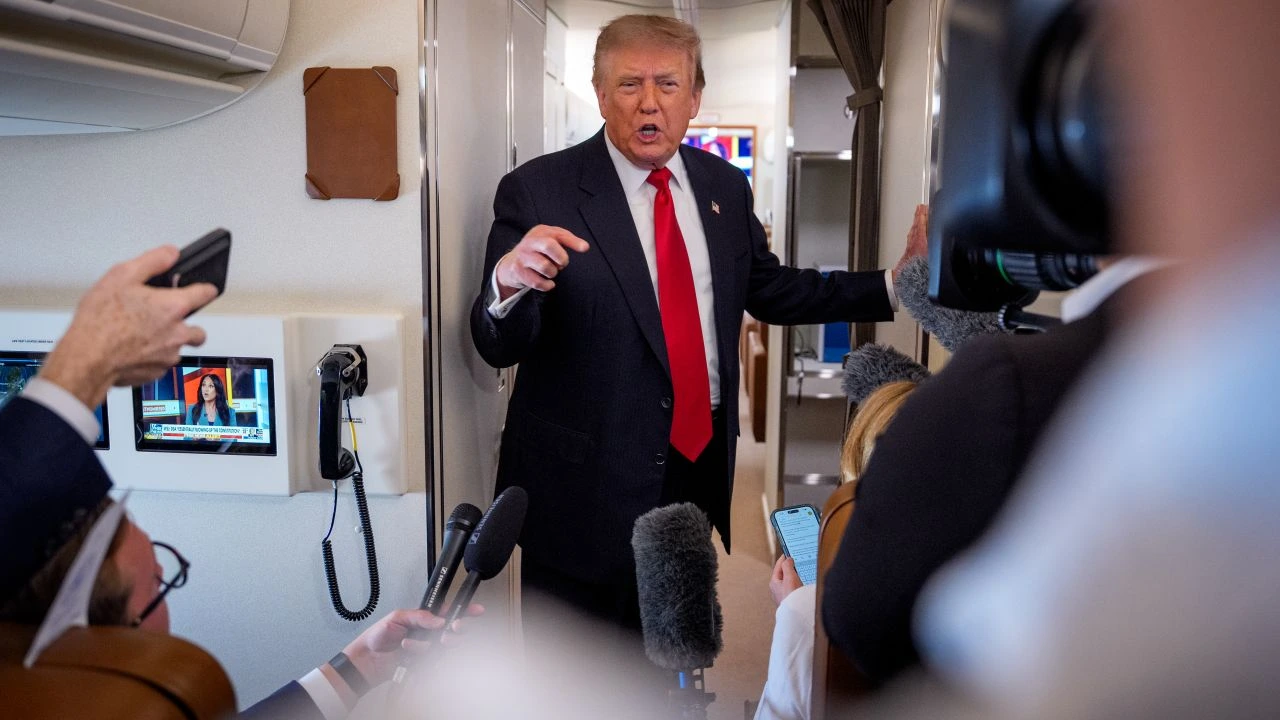
President Donald Trump is carrying out a significant agenda against illegal immigration
The proposal has very little chance of advancing in the current Congress, controlled by Republicans. Nevertheless, it is part of a broader campaign by progressive Democrats against Trump's immigration policy, which has included strong criticism of ICE operations and measures taken to increase deportations.
The debate promises to continue as Trump maintains his offensive to strengthen border security and expand deportation operations, while progressive sectors of the Democratic Party seek to limit the tools used by ICE and other federal agencies.