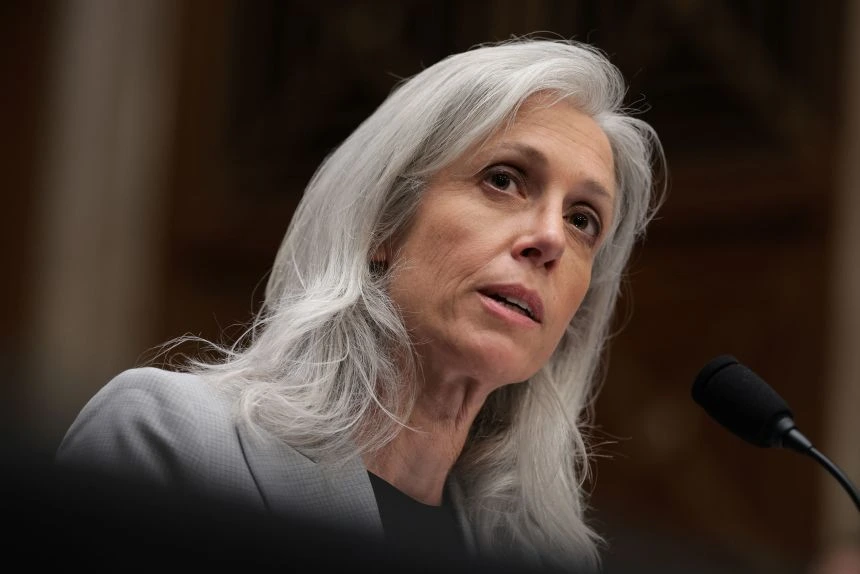

The United States Senate confirmed Dr. Erica Schwartz as the director of the Centers for Disease Control and Prevention (CDC) on Wednesday, giving President Donald Trump's administration a new opportunity to stabilize one of the country's main health agencies after months of uncertainty and changes in its leadership.
Schwartz was approved by 51 votes to 44 and becomes the 22nd director of the CDC and the first permanent head of the agency in nearly a year. At 54 years old, she takes office with a broad medical and governmental background that the White House considers key to rebuilding the institution and restoring a professional and stable direction.
The new director holds degrees in medicine and law, was the deputy surgeon general of the United States, and held a medical leadership position in the Coast Guard. Her experience in different areas of the federal government was one of the main arguments in favor of her nomination.
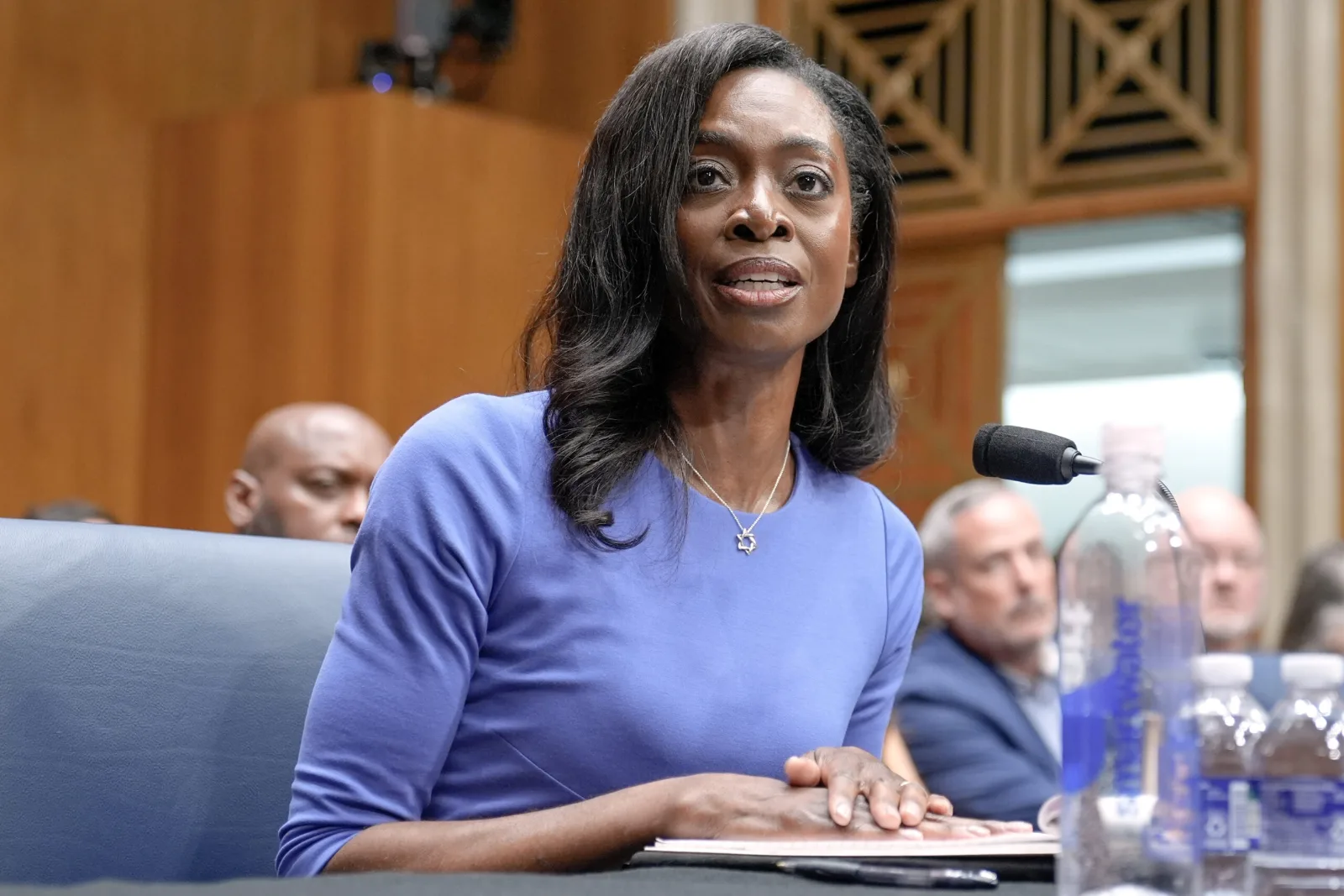
Trump had presented Schwartz as a highly qualified professional with the necessary preparation to help restore the CDC's scientific leadership. Her selection also reflects the president's intention to place a figure with institutional experience at the head of the agency, rather than indefinitely maintaining a succession of interim directors.
The confirmation comes as the CDC faces significant challenges. The agency must respond to a major outbreak of foodborne illnesses, the worst measles resurgence recorded in the United States in three decades, and international outbreaks of Ebola in the Democratic Republic of the Congo and Uganda.
Schwartz's arrival offers an opportunity to establish a permanent and professional leadership. Her medical, legal, and military experience could help address the agency's challenges and strengthen its response capacity to future health emergencies.

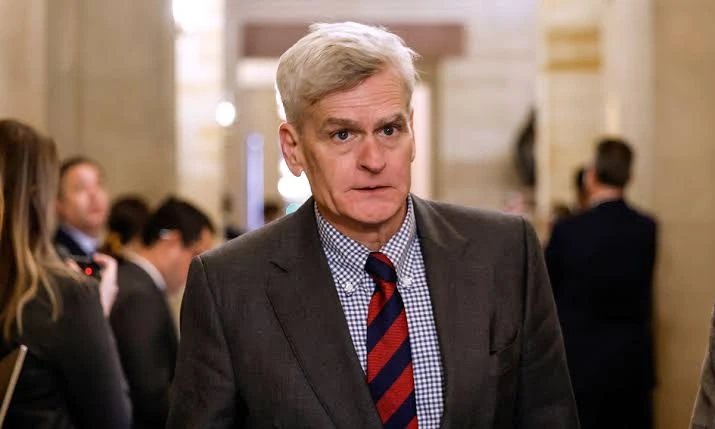
The traitorous Republican Senator Bill Cassidy, chairman of the Health, Education, Labor, and Pensions Committee, was one of the lawmakers who raised those concerns during a hearing held in July. Cassidy asked Schwartz whether she would be willing to reject instructions that were not backed by science and good public health practices.