The coalition of Democratic prosecutors claims that tariffs will raise prices, while Trump defends them to protect the industry and combat forced labor
Agregar La Derecha Diario en
Compartir:
A group of 22 Democratic attorneys general launched a new political and legal offensive against President Donald Trump's trade policy, rejecting the proposal to impose tariffs of up to 12.5% on imports from 59 countries and the European Union due to their lack of effective measures to prevent the trade of goods made with forced labor.
The Trump administration's initiative seeks to rebuild part of its tariff strategy after the Supreme Court invalidated the so-called emergency tariffs in February. Instead of resorting to those mechanisms, the Office of the United States Trade Representative (USTR) opened an investigation under Section 301 of the Trade Act, arguing that numerous trading partners are not doing enough to prevent the circulation of products made through labor exploitation.
The attorneys general, led by California Attorney General Rob Bonta, called the proposal illegal and argued that the new levies would raise prices for consumers and U.S. businesses. In a letter sent to the USTR, they stated that the administration would be using the investigation into forced labor as a pretext to reinstate tariffs that the courts had already rejected under another legal basis.
Among the signatories are the attorneys general of Arizona, Michigan, Illinois, Virginia, Colorado, North Carolina, New York, and New Jersey, as well as other states governed by the Democratic Party.
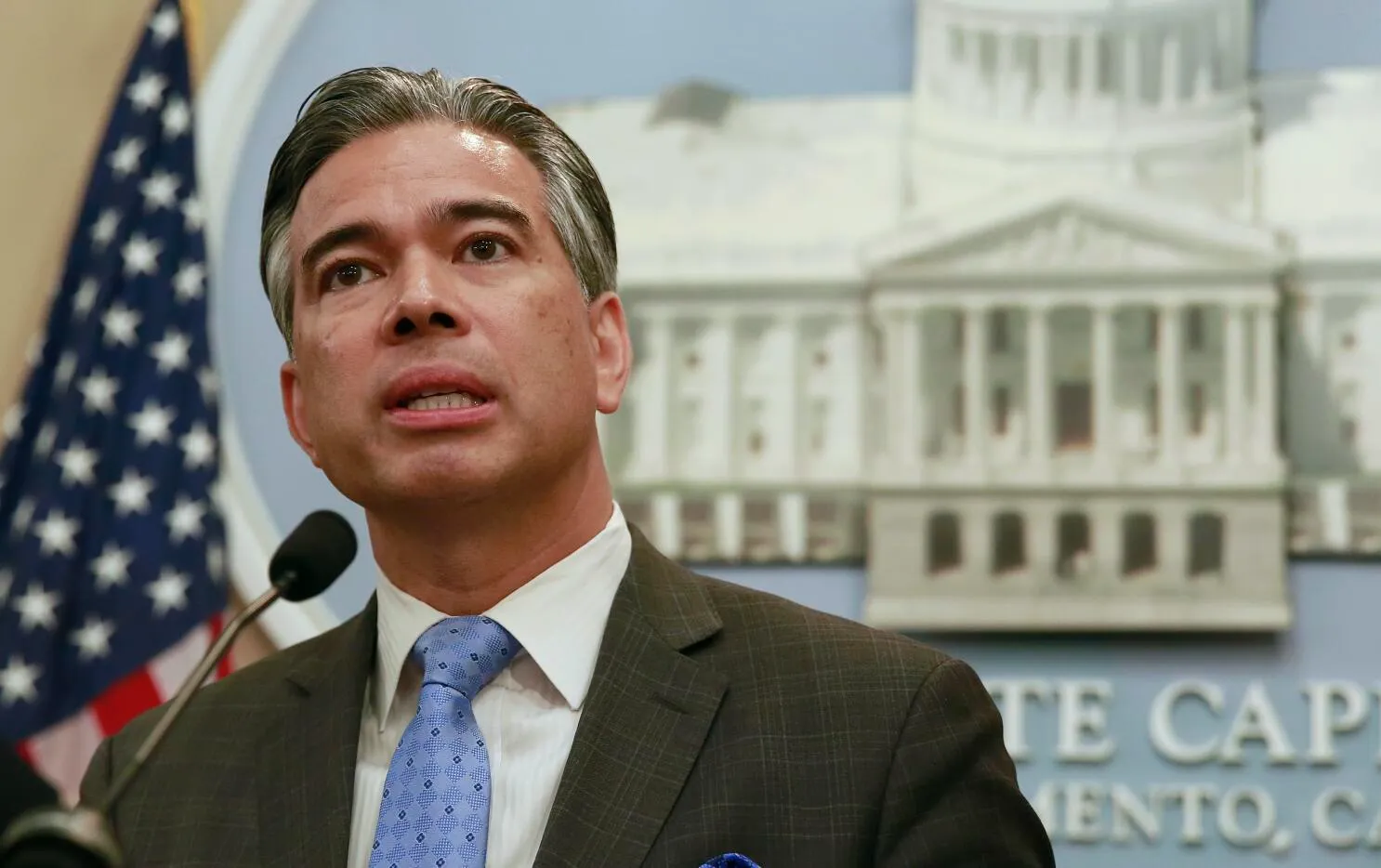
The Democratic Attorney General of California is one of the driving forces behind the crackdown on President Trump's trade policy
Democratic officials argued that the file prepared by the USTR does not demonstrate a sufficient relationship between the proposed tariffs and the reduction of forced labor globally. According to their stance, the White House should collaborate with foreign governments and international organizations to combat this issue instead of resorting to broad trade measures.
However, critics of the Democratic position argue that this strategy of international cooperation has produced limited results for decades, while reports of supply chains tainted by child labor, slave labor, and other forms of labor exploitation continue to emerge. From this perspective, economic sanctions represent a pressure tool aimed at incentivizing real changes among the United States' main trading partners.
The USTR plans to hold public hearings over three days to analyze the proposal. The plan includes tariffs of 10% for 16 economies, including the European Union, and 12.5% for another 44 countries, collectively affecting 99.4% of goods imported by the United States.
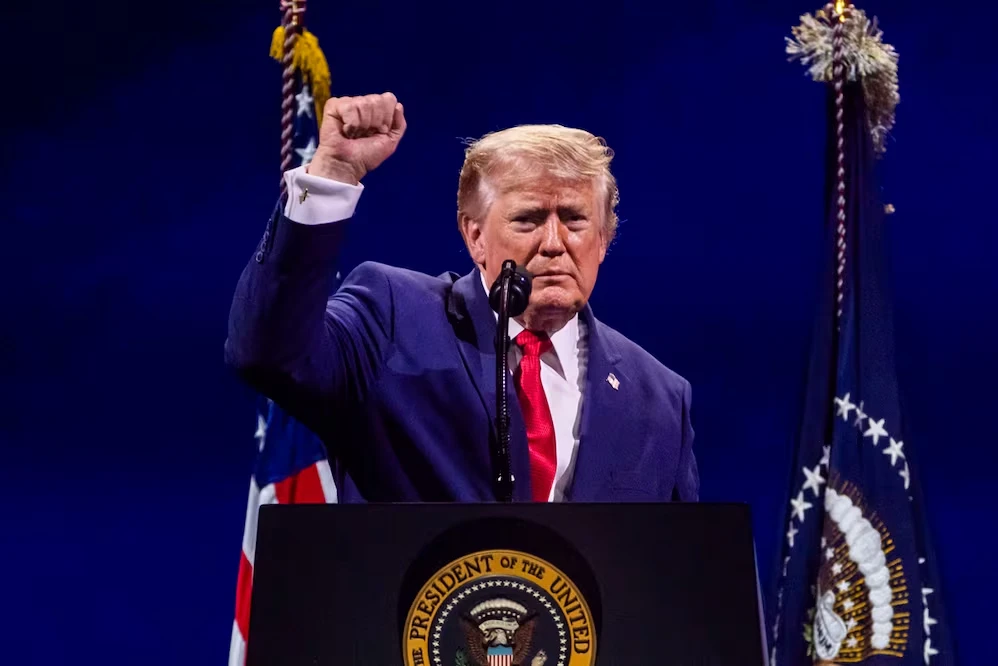
The Trump administration plans to implement new tariffs against countries that engage in forced labor practices
The Democratic attorneys also argue that the investigation was conducted hastily and presents inconsistencies compared to previous investigations carried out under Section 301. In their opinion, the report does not justify the imposition of widespread levies nor demonstrate that the tariffs will change the behavior of the countries involved.
As an example, they pointed out that a report from the Department of Labor identifies products associated with forced labor, including frozen beef from Brazil. However, the USTR's own proposal includes exceptions for numerous meat products, including precisely frozen beef, which, according to the attorneys, highlights contradictions within the plan.
Furthermore, they questioned that the exemptions are defined by product categories and not by specific countries, arguing that this weakens the claim that the tariffs aim to change the labor practices of certain governments.
The Office of the Trade Representative declined to publicly comment on the letter sent by the state attorneys, citing its policy of not commenting on ongoing trade investigations.
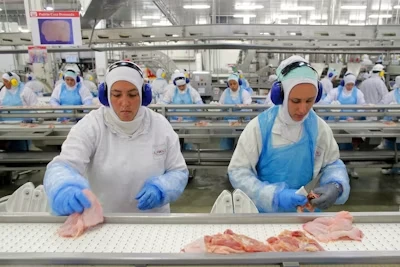
The U.S. Department of Labor identified a hotspot of forced labor in the importation of frozen meat from Brazil
For supporters of Trump's policy, the reaction of the Democratic attorneys reflects an almost automatic opposition to the trade measures pushed by the president, even when these seek to combat practices internationally denounced as forced labor. It is contradictory that many of those same officials claim to defend human rights while rejecting economic pressure instruments aimed at supply chains questioned by international organizations.
The debate will continue during the hearings called by the USTR, the outcome of which could define a new phase in the trade policy of the Trump administration and open another front of confrontation with states governed by the Democratic Party, which again resort to legal actions to try to block one of the president's main economic initiatives.