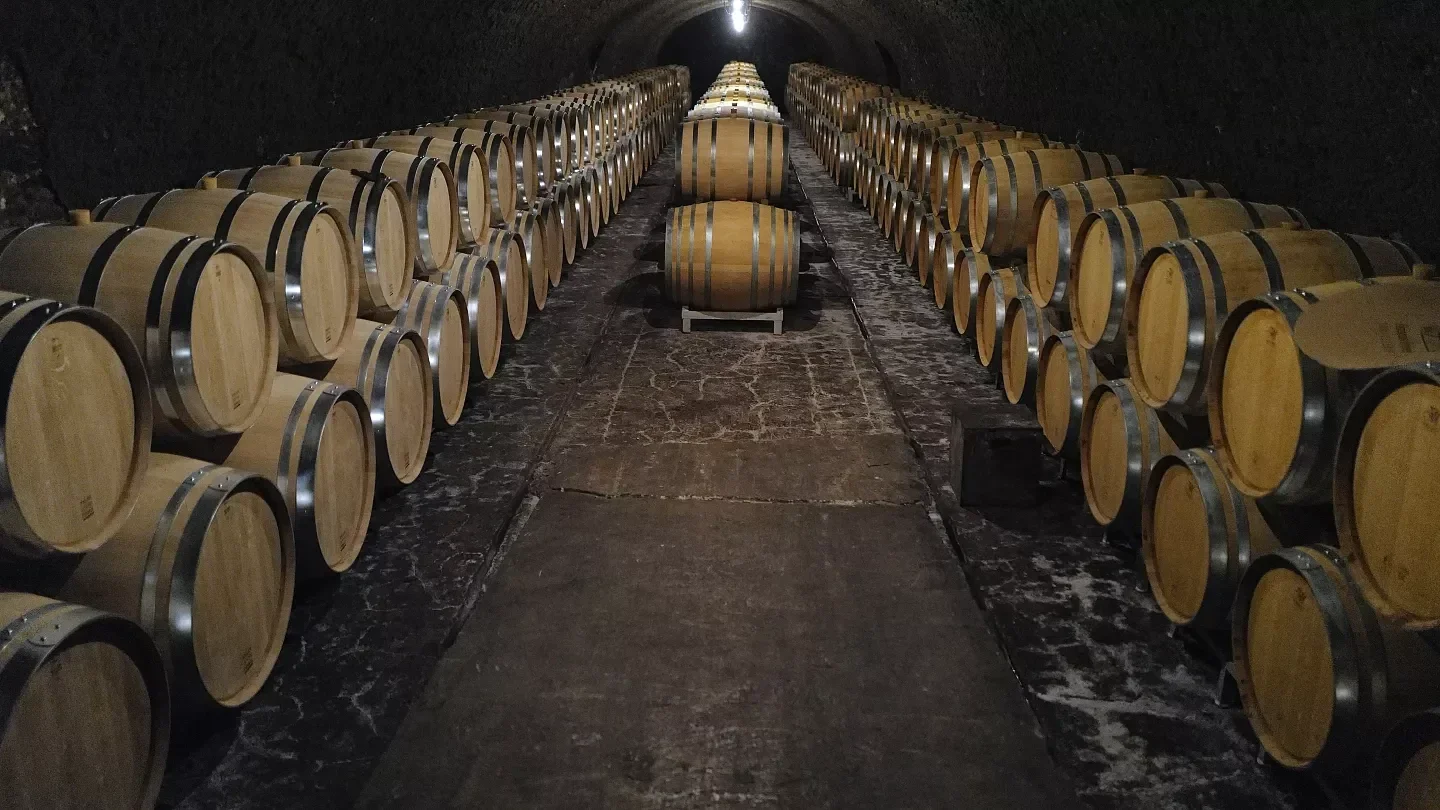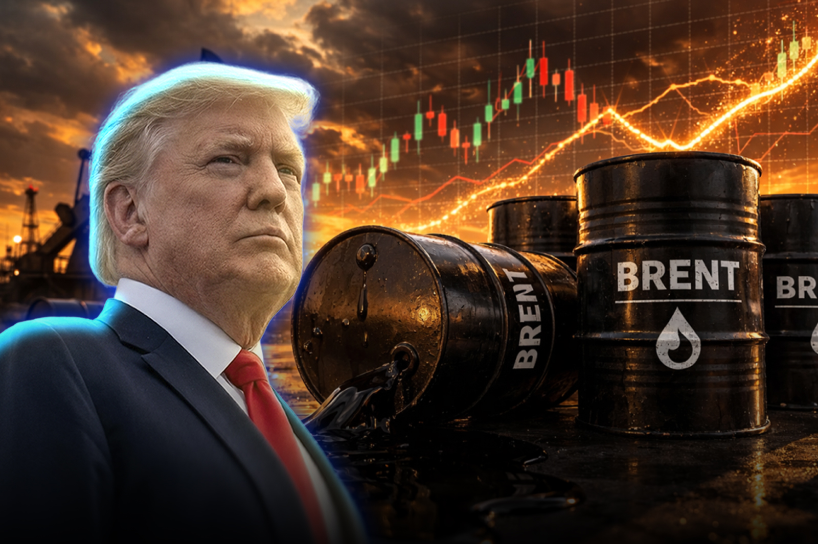
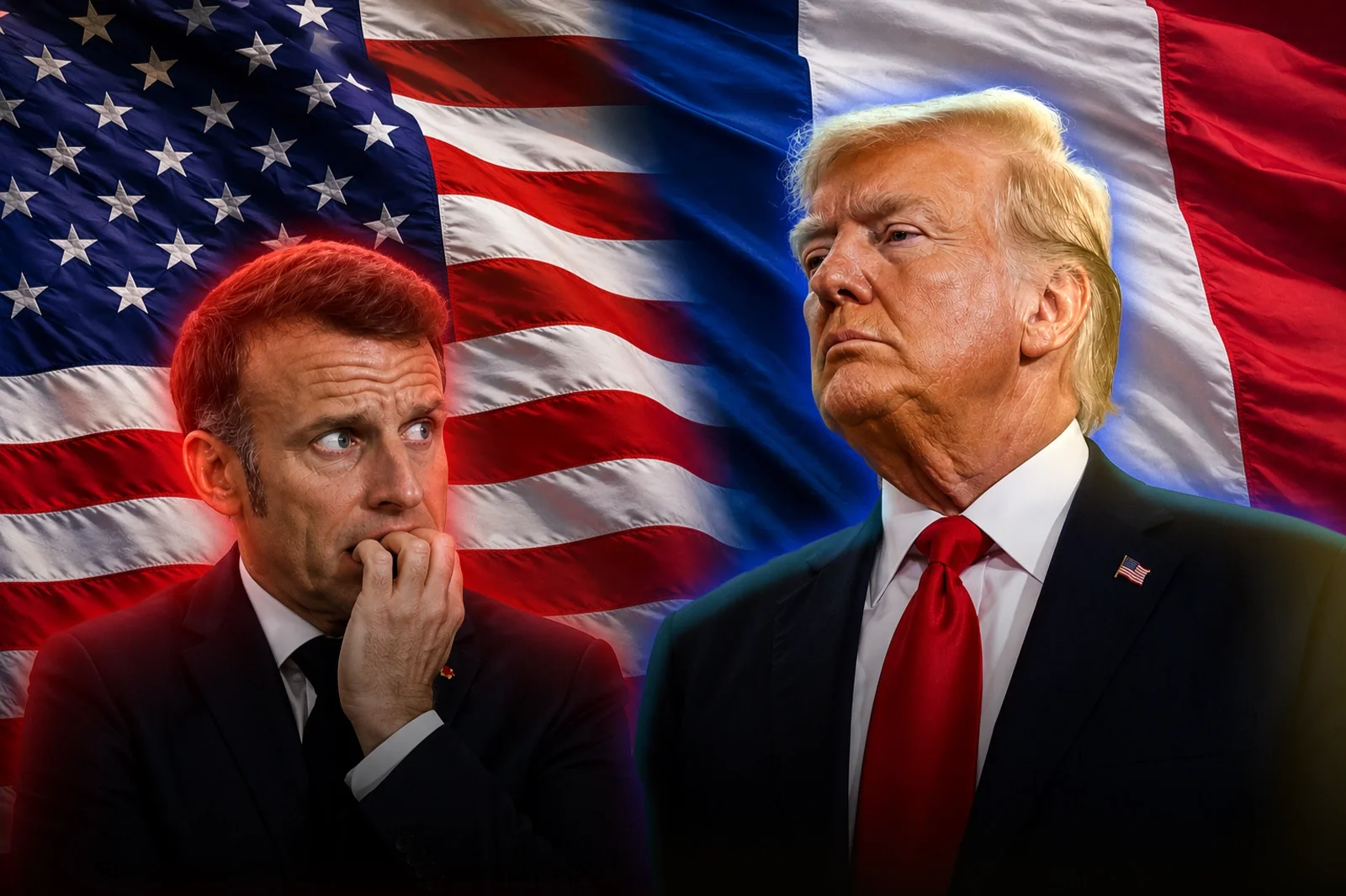

The President of the United States, Donald Trump, issued a new warning to France and threatened to impose 100% tariffs on all French wines and champagnes if Paris maintains the digital tax that targets large American tech companies, reigniting a trade dispute that threatens to dominate the agenda of the G7 summit taking place this week in the French city of Évian.
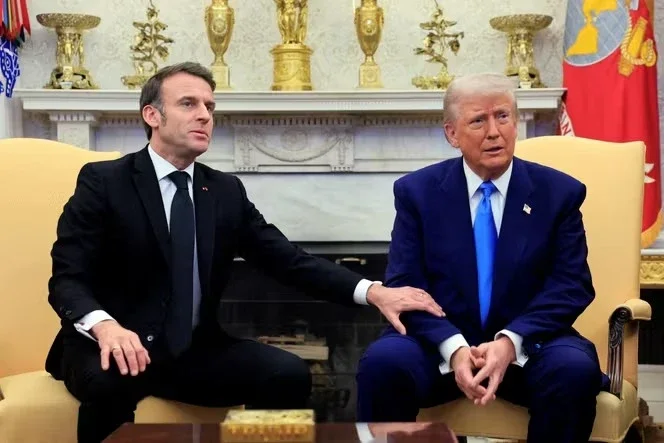
In an interview with the New York Post, Trump stated that he personally conveyed the message to the French president, Emmanuel Macron, and asserted that the United States cannot remain indifferent to a discriminatory tax policy against American companies.
''I asked him not to tax American companies and, if they do, I have no choice but to impose a 100% tariff on all champagnes and wines from France,'' Trump declared. ''All he has to do is eliminate that tax and he wouldn't have that pressure''.
The warning represents the latest escalation in a dispute that began in 2019 when France approved a tax on digital services aimed at taxing the revenues earned in French territory by tech giants like Google, Amazon, Meta, and Apple. Washington has argued for years that the measure disproportionately affects American companies and constitutes a hidden trade barrier.
According to data from the French Ministry of Finance, the levy generates hundreds of millions of dollars annually for the state coffers. However, the Trump administration maintains that it is a policy specifically designed to raise funds at the expense of American companies, as it taxes gross revenues rather than profits, a feature that the White House considers particularly harmful.
Macron's response was defiant. In statements to the French channel TF1, the president asserted that tariffs do not benefit either party and rejected the possibility of conceding to American pressures.
''No, because that's not how things work,'' he stated when asked if he would modify French tax policy to avoid trade retaliation.
The statements contrast with messages conveyed days earlier by the Élysée Palace, which had suggested that the dispute was practically resolved between both governments. Sources close to Macron even claimed that the issue was no longer part of the pending discussions within the G7, a version that was quickly denied by U.S. officials.