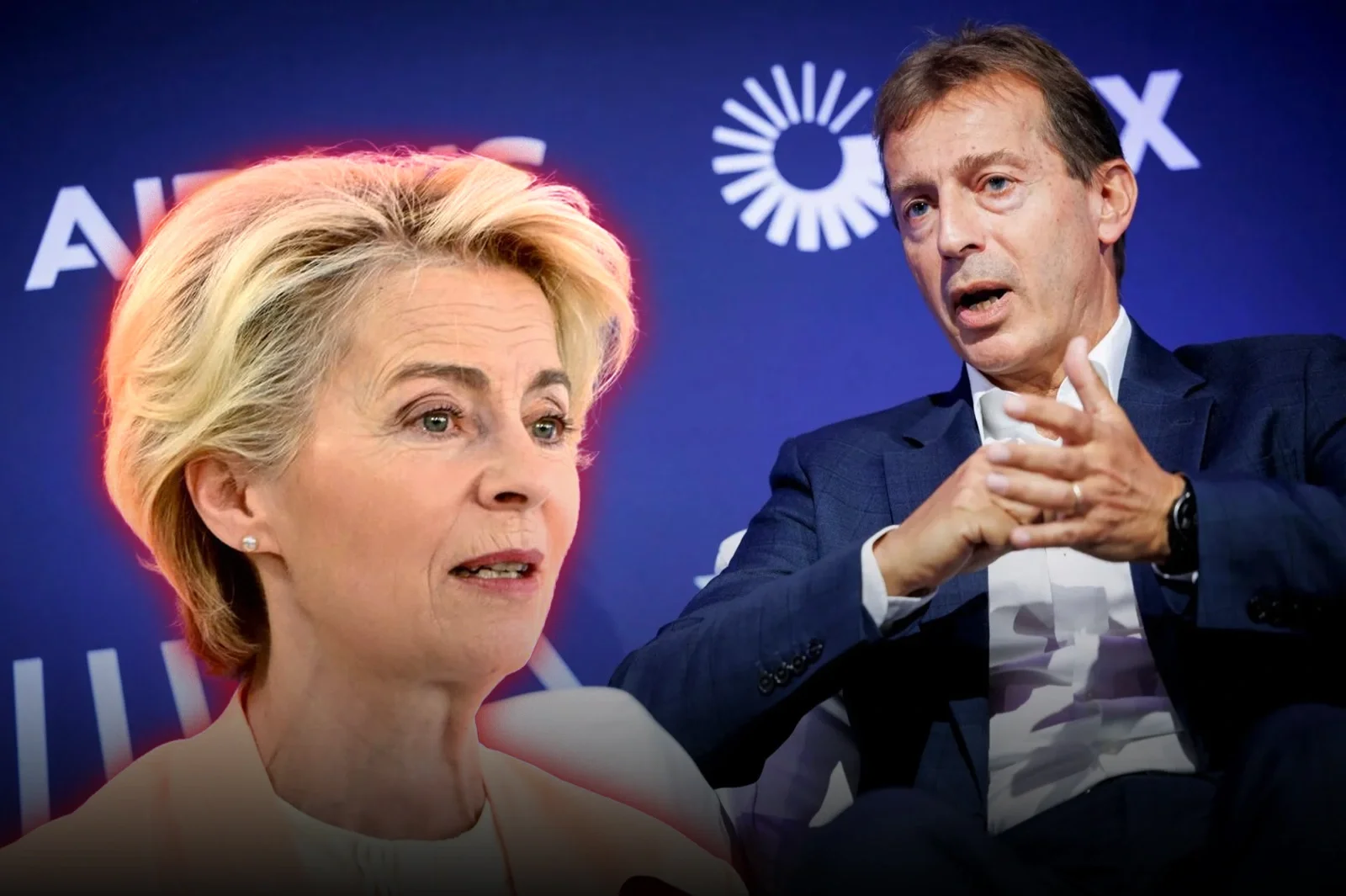

The CEO of Airbus, Guillaume Faury, issued a strong warning to France and the European Union about the deterioration of the continent's industrial competitiveness, denouncing the high labor, energy, and regulatory costs that, he claimed, are hindering the growth of European companies against competitors from the United States and China.
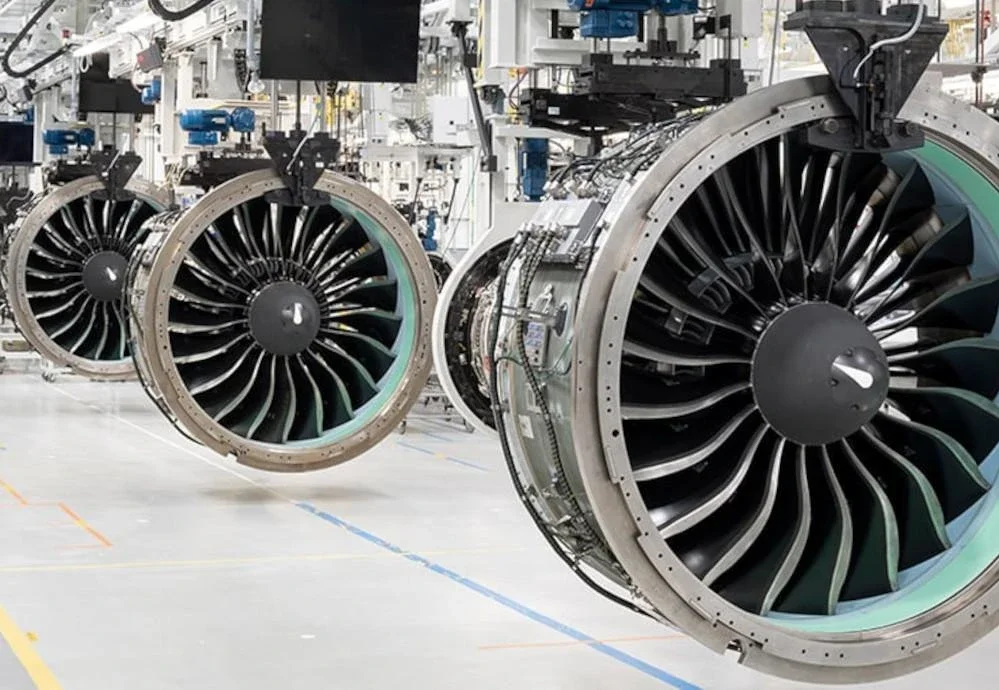
The statements were made during the inauguration of a new assembly line for the ''A321neo'' in Toulouse, a key facility for increasing the production of the European aerospace manufacturer's most successful aircraft. However, the event was marked by a strong political and economic message that transcended industrial announcements.
Before workers, executives, and representatives of the French government, including Transport Minister Philippe Tabarot, Faury stated that Europe faces structural challenges that threaten its ability to maintain industrial leadership in strategic sectors.
''Every time I return from the United States or China, I feel very irritated with Europe because we are too slow and we are not aware of the enormous challenges our industries face,'' said the executive.
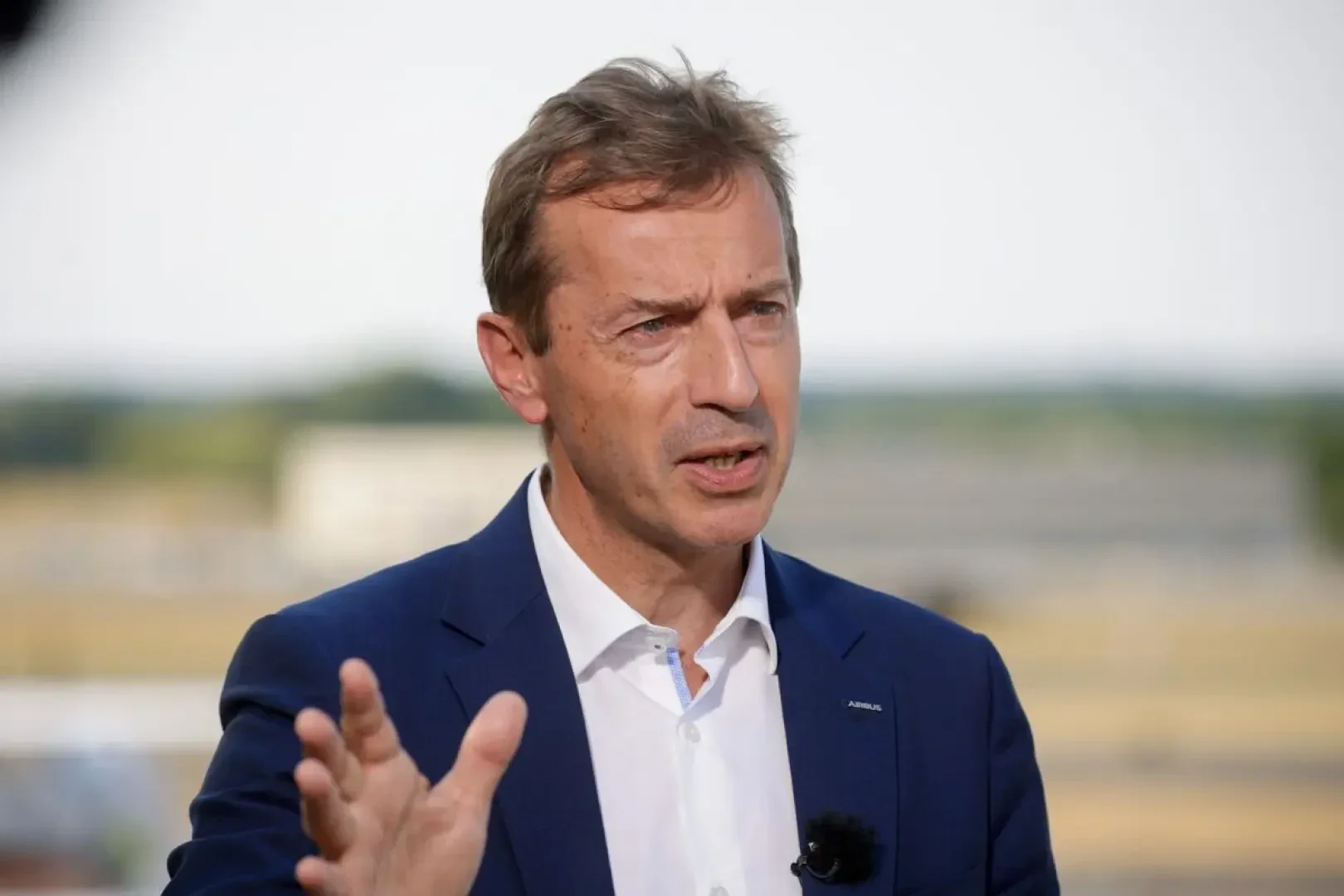
The Airbus leader identified three main factors that, in his opinion, are weakening the competitive position of the European bloc: the high cost of labor, high energy prices, and excessive regulation that increases operational expenses for companies.
''Labor costs are very high in France and Europe. Energy costs are higher than in the United States or China, and the cost of regulatory barriers is absolutely horrible,'' he asserted.
His statements reflect a growing concern within the European industry about the competitive gap with other major economies. While the United States is promoting incentive programs to attract industrial investments and China continues to strategically support its domestic manufacturers, numerous European companies have warned about the difficulties of expanding under the current community regulatory framework.
Faury stated that the issue of competitiveness should become one of the central topics of political debate leading up to the next French presidential elections. According to the executive, the preservation of European industrial leadership will depend on the ability of governments to reduce administrative burdens, lower costs, and promote productive investment.