The United States achieved a preliminary agreement between Israel and Hezbollah on Monday to reduce hostilities in Lebanon, amid growing fears that violence on the Israeli northern border could destabilize the fragile truce reached between Washington and Tehran.
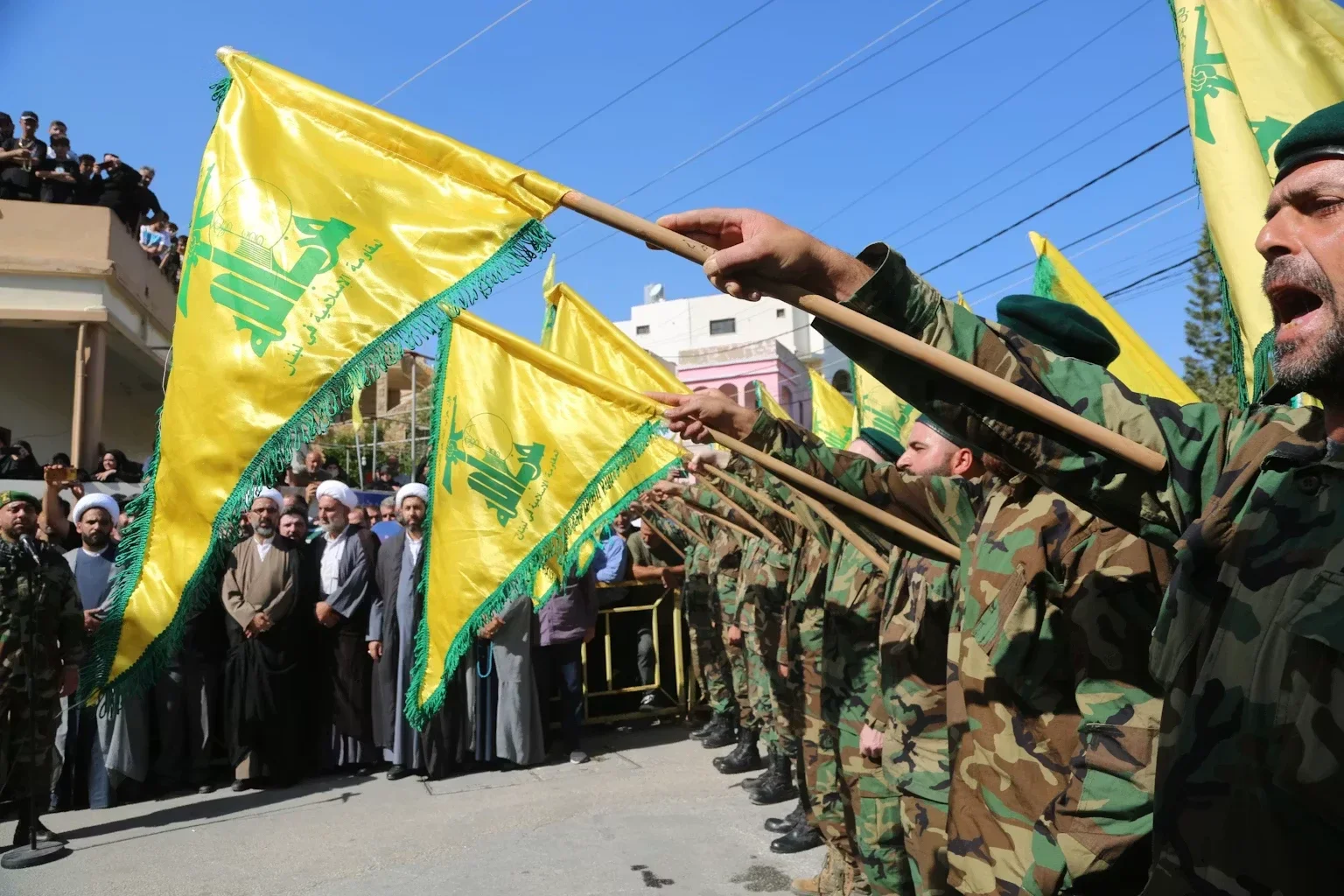
The Lebanese embassy in the United States announced that Hezbollah accepted a U.S. proposal that includes a cessation of attacks against Israel in exchange for Israeli forces suspending bombings over Beirut, particularly in the southern suburbs of the capital, considered a political and military stronghold of the Iran-backed Shiite movement.
According to the statement released by the Lebanese diplomatic representation, the understanding establishes a ''mutual cessation of attacks'' and anticipates that the truce could later be extended to all Lebanese territory. The measure aims to contain an escalation that in recent weeks has heightened regional tensions and threatened to drag other Middle Eastern actors into a broader conflict.
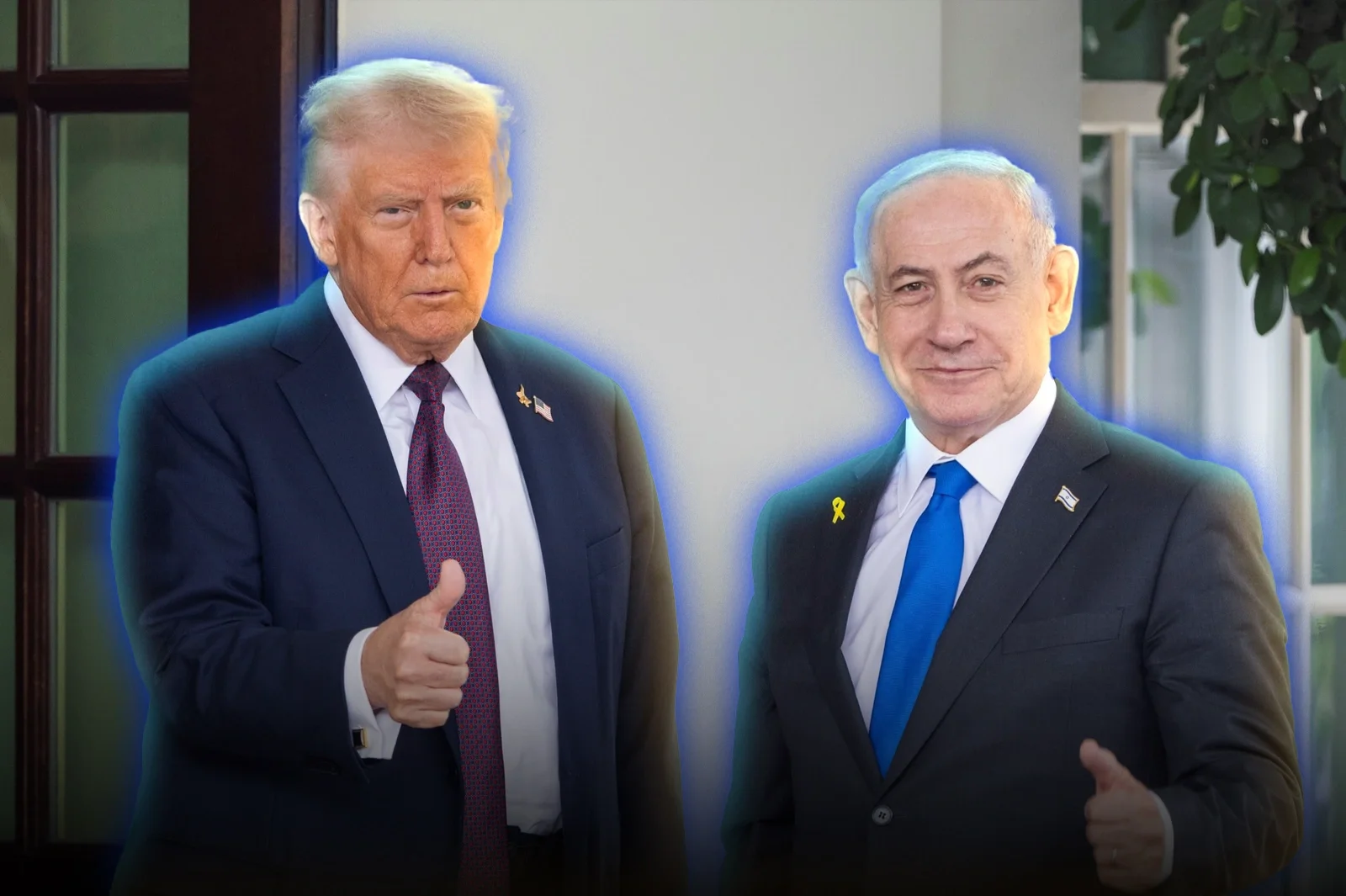
The agreement mediated by President Trump forces the terrorist group Hezbollah to cease hostilities against the armed forces of Israel.
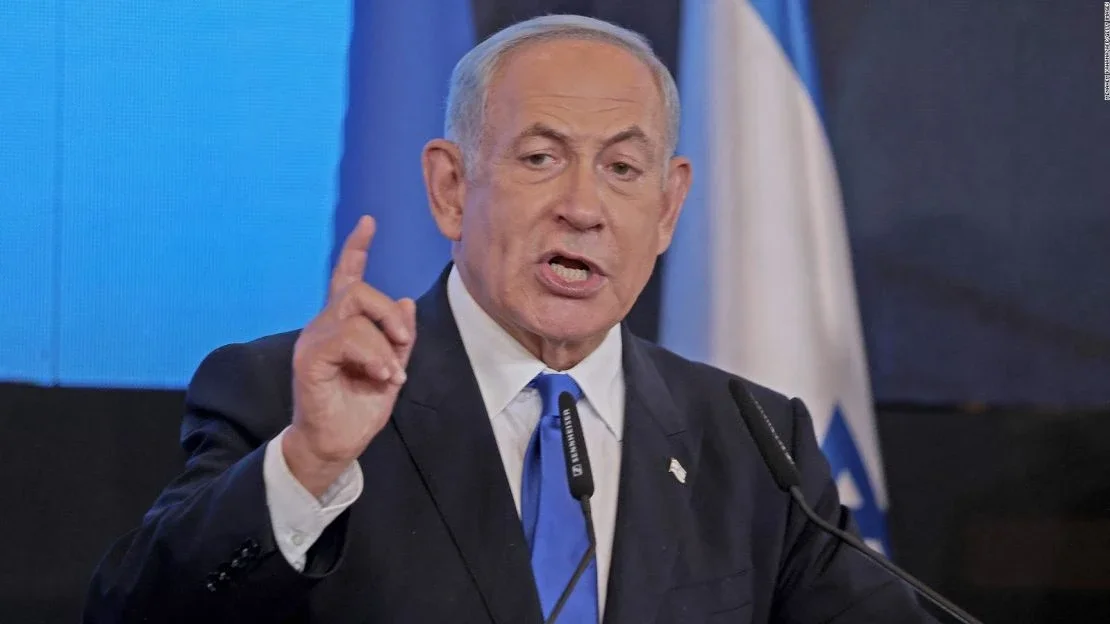
Israeli Prime Minister Benjamin Netanyahu confirmed the existence of the agreement, although he emphasized that its implementation will depend on Hezbollah's behavior. The Israeli leader warned that any new attack against Israeli cities or civilians would provoke an immediate military response.
''If Hezbollah does not stop attacking our cities and our citizens, we will act,'' Netanyahu stated, also clarifying that the Israel Defense Forces will continue operating in southern Lebanon. The declaration suggests that the understanding reached does not constitute a comprehensive ceasefire, but rather a limited measure aimed primarily at preventing new attacks on Beirut.
Hours earlier, Israel had ordered bombings against terrorist targets in the southern suburbs of the Lebanese capital. The operations were presented by Israeli authorities as a response to recent rocket and drone launches attributed to Hezbollah.
The Prime Minister of Israel warned that the cessation of attacks against terrorist positions in Beirut will be contingent on Hezbollah not carrying out new attacks.
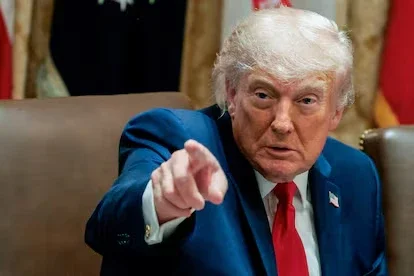
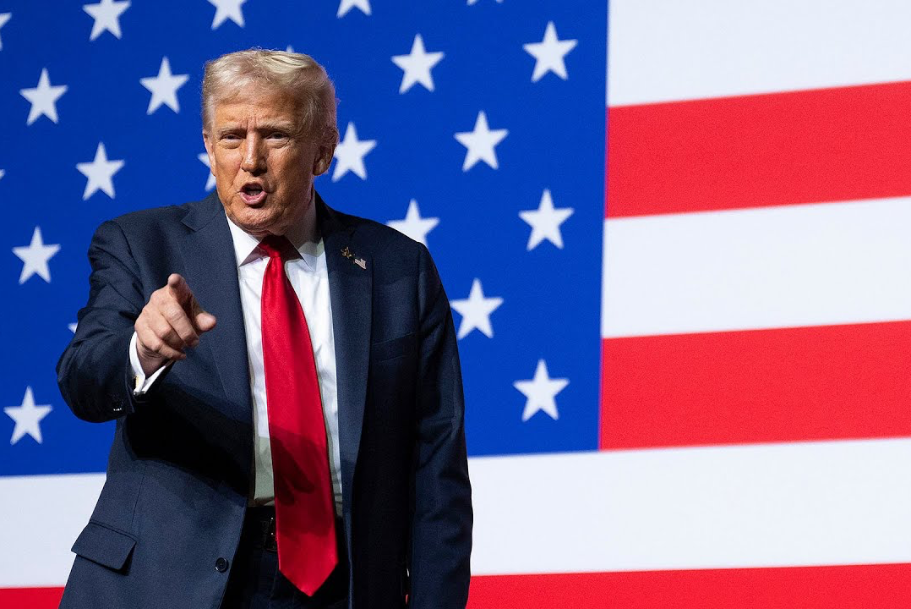
U.S. President Donald Trumpplayed a central role in the diplomatic contacts. Through a series of messages posted on Truth Social, he claimed to have spoken with both Netanyahu and representatives of the Lebanese group and assured that both parties agreed to stop the attacks.
Trump described his conversation with the Israeli Prime Minister as ''very productive'' and stated that there will be no Israeli military deployments in Beirut. He also assured that any force advancing towards the Lebanese capital was ordered to return.
''Israel will not attack them, and they will not attack Israel,'' the U.S. president wrote regarding the commitments made during the talks.
The announcement came as Iran increased diplomatic pressure to prevent new Israeli military operations in Lebanese territory. Tehran considers that the situation in Lebanon is closely linked to the negotiations it is holding with Washington following the entry into force of a bilateral truce on April 8.
The U.S. president was key in the agreement between both parties and assured that there will be no new deployments in Beirut.
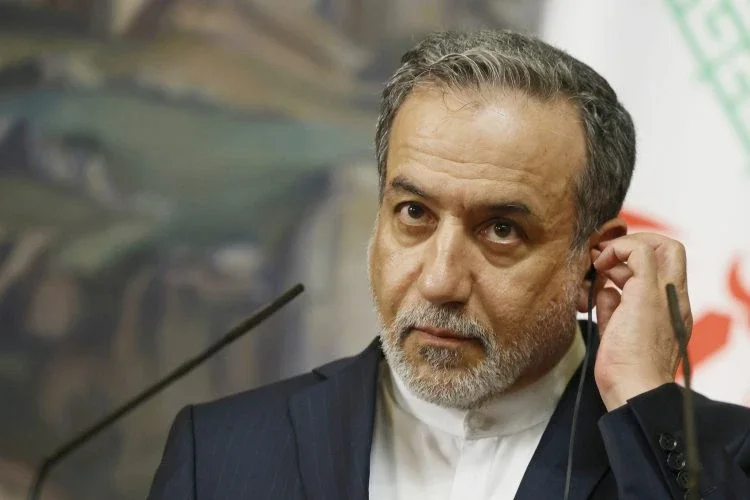
Iranian Foreign Minister Abbas Araghchi stated that the ceasefire agreement between Iran and the United States must be applied in all regional scenarios where tensions related to both parties exist.
''The cessation of hostilities also includes the Lebanese front,'' declared the Iranian chancellor, who warned that any violation in a conflict zone could be interpreted as a breach of the agreement as a whole.
The Tasnim agency, linked to the Islamic Revolutionary Guard, also reported that Iran could suspend the indirect negotiations it is holding with the United States if Israeli attacks in Lebanon continue. The media also suggested that Tehran and its allies have additional pressure mechanisms, including possible actions in the Bab al-Mandab Strait, a strategic route for international maritime trade.
The Iranian regime's Foreign Minister was another actor who confirmed the ceasefire between Israel and Hezbollah.
Despite these warnings, Trump insisted that talks with Iran continue to progress and assured that both parties are still working to reach a permanent agreement that would stabilize the region.
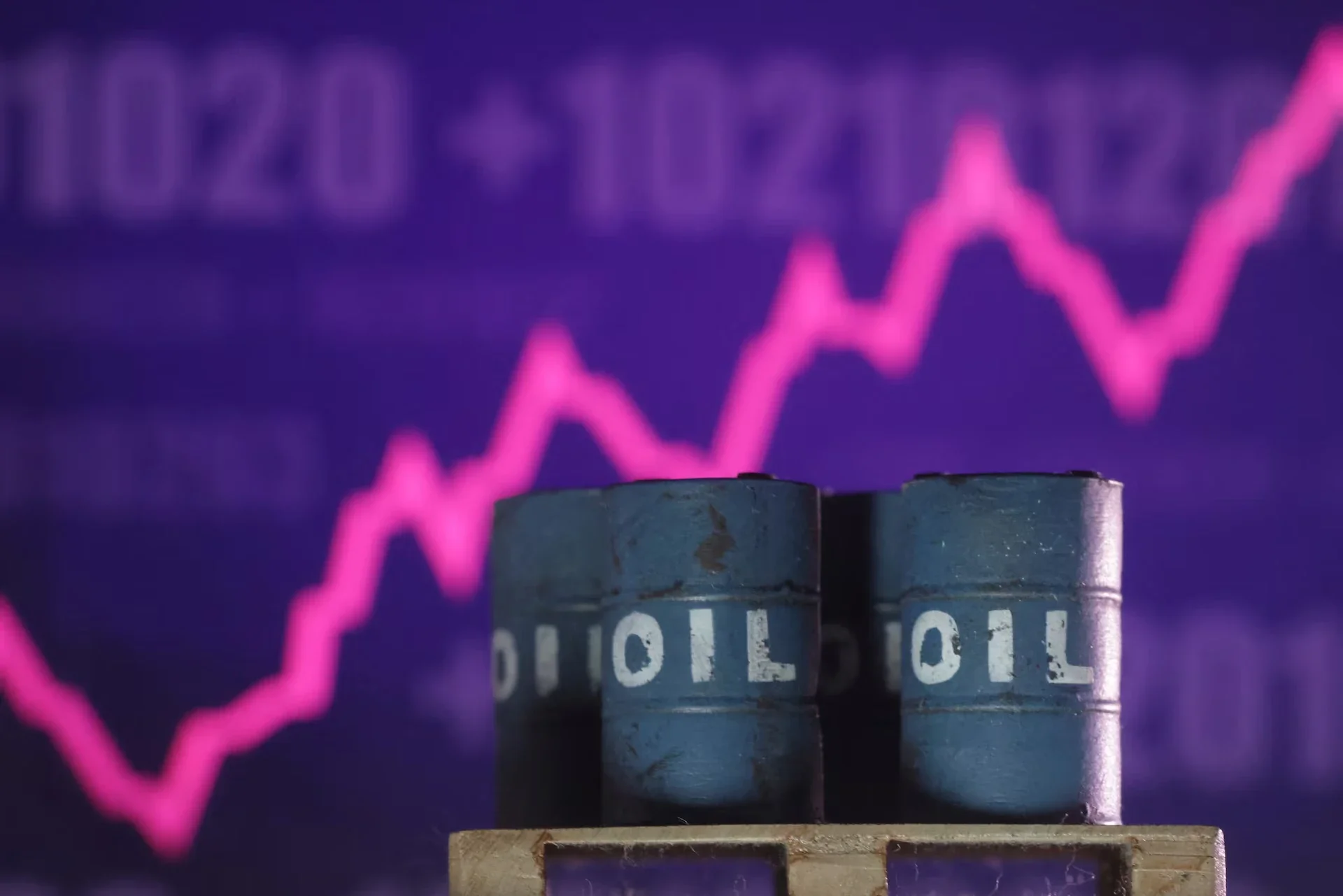
Geopolitical uncertainty continues to impact international energy markets. The clashes recorded over the weekend between U.S. and Iranian forces, along with tensions in Lebanon, drove a new rise in oil prices.
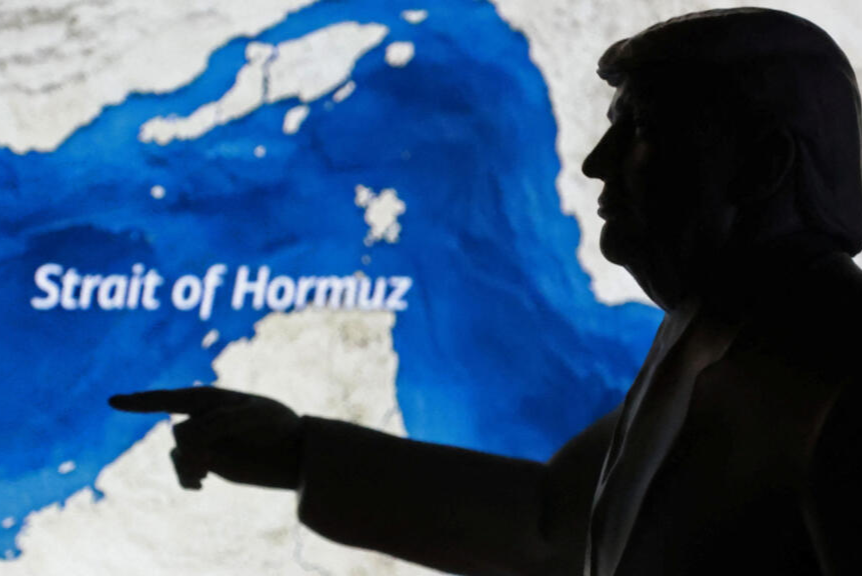
The Brent barrel, a global benchmark for the energy market, reached a price of nearly $97.5 before moderating some of its gains. Analysts attribute the volatility to concerns over possible disruptions in crude supply through the Strait of Hormuz.
Amid new tensions, oil prices saw a marked increase in recent hours.