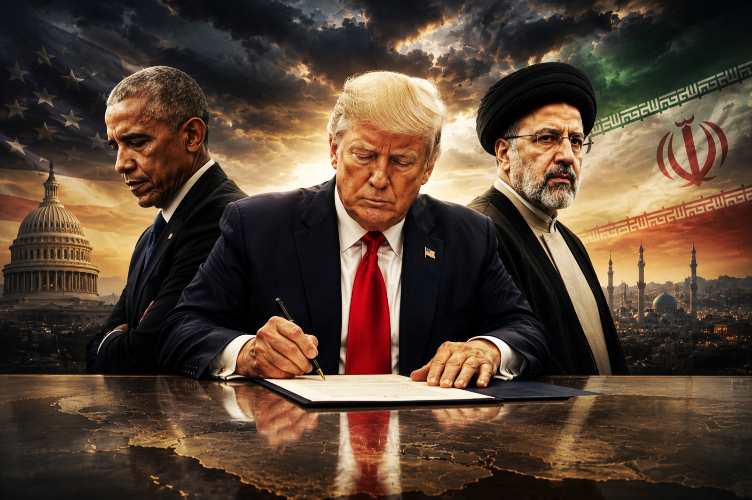
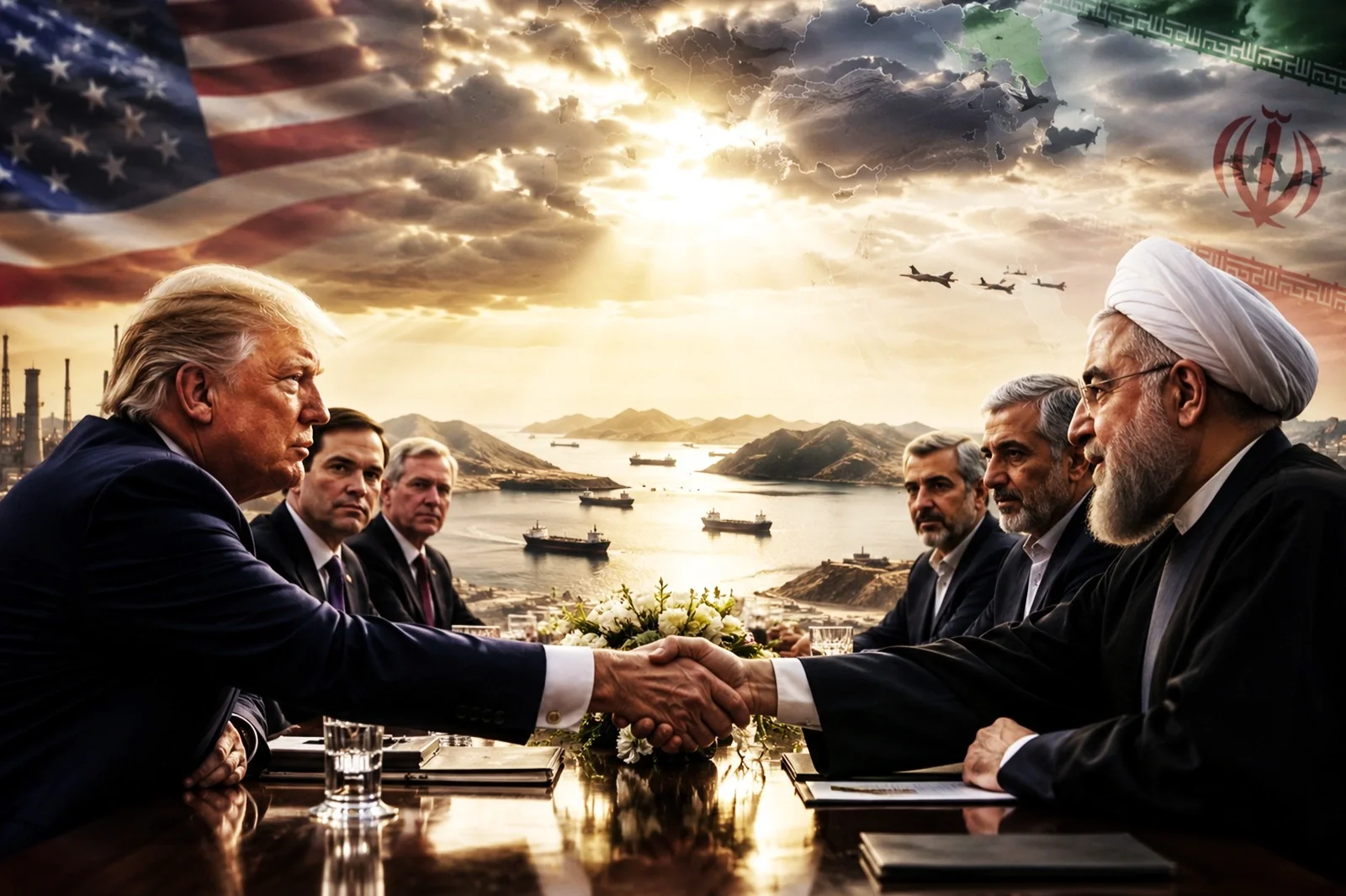
The nuclear agreement reached by President Donald Trump with Iran this Sunday will differ significantly from the Joint Comprehensive Plan of Action (JCPOA) that former President Barack Obama disastrously negotiated in 2015. Thus, the new pact will emphasize stricter verification measures and a relief of sanctions conditioned exclusively on Iranian compliance.
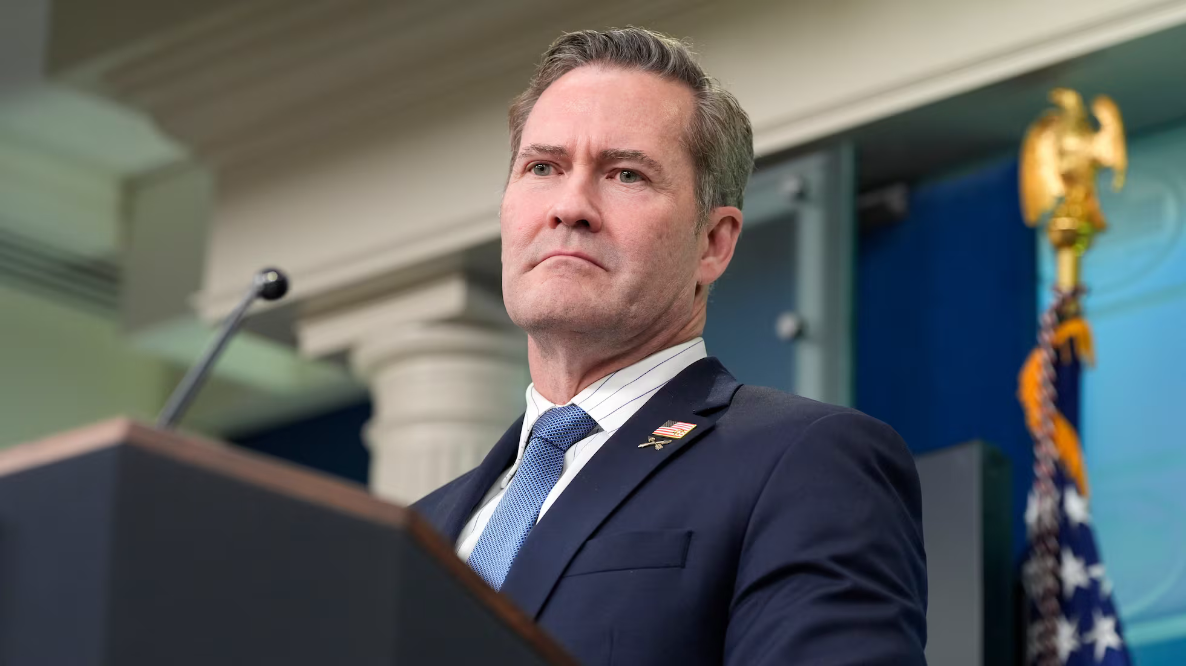
The main differences between the two documents were outlined this Sunday by the U.S. Ambassador to the United Nations, Mike Waltz, during an interview on ABC News. In the agreement that Trump will sign, the highly enriched uranium that the Tehran regime possesses must disappear, as well as its support for terrorist groups in the region.
Waltz explained that the relief of sanctions under the new scheme will be granted through a "pay-for-performance" model, instead of giving concessions upfront. In this sense, he contrasted the current proposal with the JCPOA and criticized what he described as legal loopholes in the inspection scheme of the previous treaty.
Mike Waltz, Trump administration official
Pay-for-performance and maximum verification
Furthermore, the Trump administration will not rely solely on the regime's promises, but will seek much more robust auditing mechanisms to ensure that the Iranians comply with the agreement. Under Obama's management, the verification standards were considered insufficient, allowing Iran to evade oversight.
"This president has always put diplomacy first, but unlike his predecessors, it must be backed by credible military force", Waltz stated. "The Iranians are incredibly tough negotiators," the official added, explaining that internal divisions within Iran's leadership have complicated the talks.
Waltz also clarified that the agreement reached should be taken as a memorandum of understanding and indicated that additional details will be negotiated in future rounds of dialogue. Regarding reports that Iran could attempt to charge tolls for navigation in the Strait of Hormuz, this possibility was quickly dismissed by Trump and is not included, under any circumstances, in the document that the parties will sign this week in Switzerland.
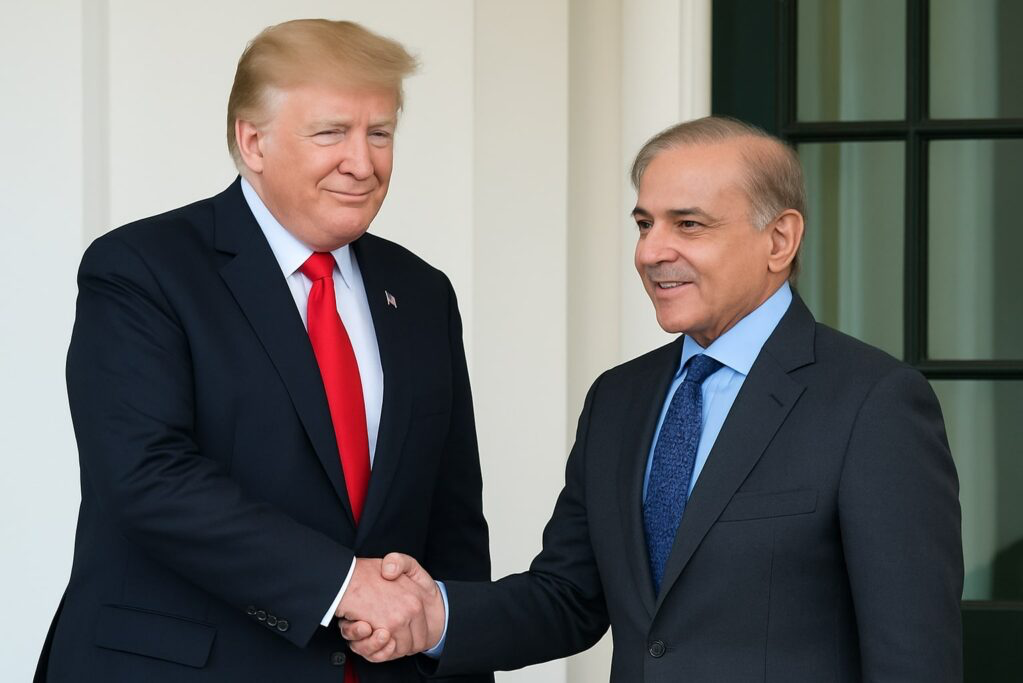
Pakistan, through its Prime Minister Shehbaz Sharif, was key to achieving this agreement between the US and Iran