
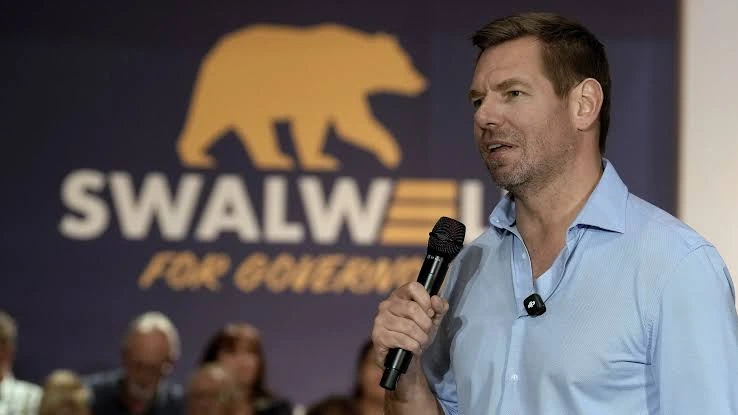
Nearly 150 pages of recently declassified FBI documents reveal new details about the relationship between former Democratic Congressman Eric Swalwell and Christine Fang, known as Fang Fang, a woman investigated for her alleged ties to the intelligence services of the Chinese communist regime.
The files, released on August 17 by the White House's Government Transparency Task Force, provide one of the most detailed pictures to date of a Beijing attempt to penetrate and influence U.S. politics through personal relationships, money, and access to officials.
The documents show that Swalwell acknowledged to FBI agents that he had a sexual relationship with Fang before arriving in Congress. In one of the interviews, the former legislator indicated that they had an intimate encounter and later specified that the last sexual contact occurred in March 2015. Swalwell described the relationship as casual and non-romantic.
This acknowledgment is particularly relevant because, according to the documents, Eric Swalwell had never publicly admitted to that relationship. The former congressman assured investigators that Fang never asked him for classified information and that he never provided her with secrets or official favors in exchange for their meetings. However, the lack of evidence that he delivered confidential information does not eliminate the counterintelligence concerns generated by his closeness to someone investigated for her connections to the Chinese intelligence apparatus.
The episode takes on greater gravity due to the political activities Fang allegedly developed around Swalwell. The files indicate that she used her contacts to help place interns in the campaign of the then-candidate and later in his political office. For investigators, this mechanism could provide a person linked to foreign interests a way to approach the environment of a U.S. official and build relationships within political institutions.
The situation was also related to an investigation into Eric Swalwell's campaign finances called ''Operation Freshman Fifteen.'' Investigators suspected that Fang might be involved in a scheme of illegal political contributions and authorized a covert donation of $1,000 to try to determine if there was any criminal activity.
The documents include testimonies from confidential sources who claimed that Fang offered to reimburse people for donations made to Swalwell's campaign. The so-called straw donations are prohibited by U.S. federal law, as they can be used to conceal the true source of funds. The files also contain copies of checks for amounts of up to $60,000 that were examined during the investigation.
A senior U.S. administration official stated that in this case there was evidence of illegal activity and argued that the episode demonstrates how far China was trying to find different mechanisms to infiltrate the U.S. political system.
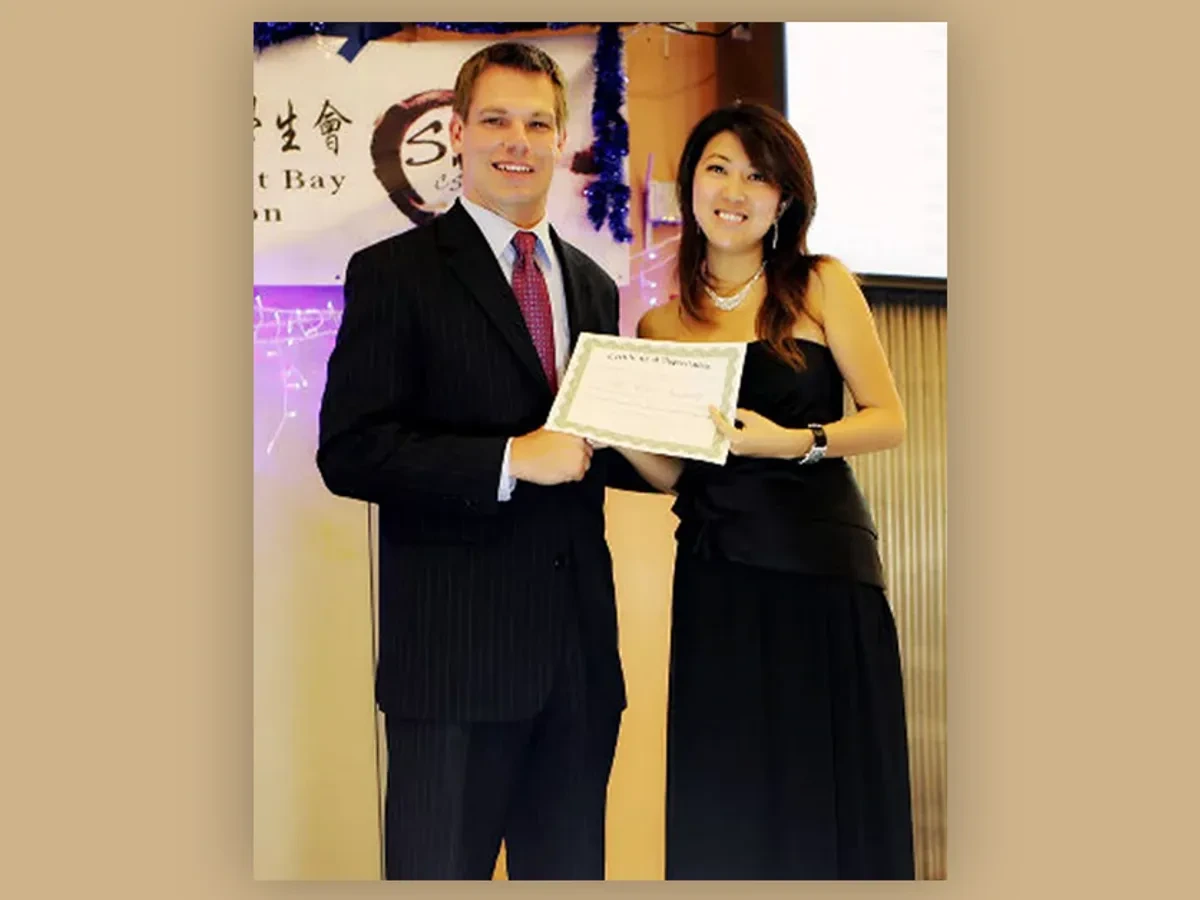
The Beijing Method: Money, Sex, and Political Access
The documents identify Fang by the codename ''Rusty Thumbs'' and describe her connections to the Ministry of State Security of China, the main intelligence agency of the Beijing regime. The FBI had attempted to recruit her in 2013 as part of an operation aimed at turning her into a source of information on Chinese intelligence activities.
An undercover agent even presented her with a job contract for a fictitious company. Fang signed the document and agreed to perform political tasks and provide cultural insights. However, indications later emerged that she was developing her own influence activities, leading investigators to abandon the attempt to recruit her and open a criminal investigation.