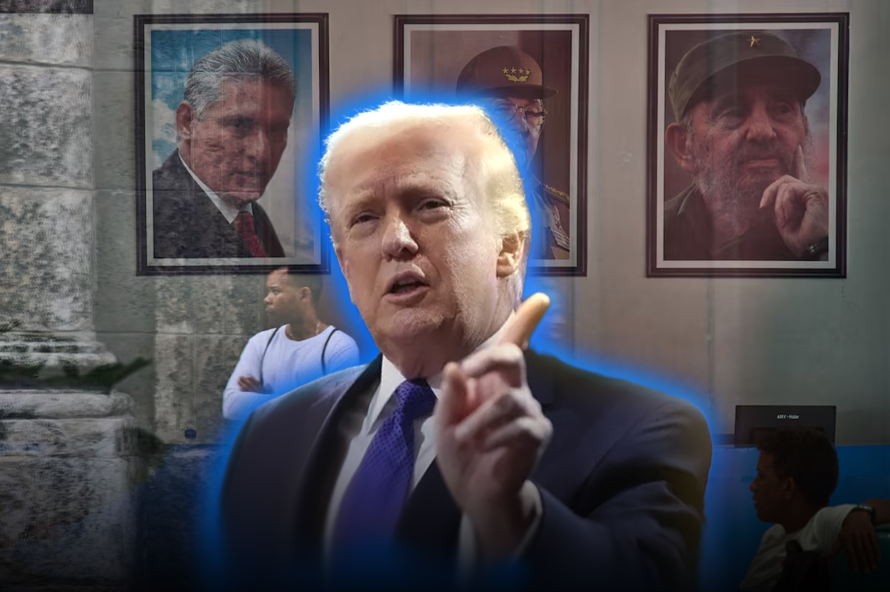
Amid the pressure exerted by the government of Donald Trump, the Cuban communist dictatorship has approved an unprecedented set of free market measures as part of an emergency economic plan. The legislative package was presented this Thursday to the National Assembly of the country, an institution controlled by the Castro regime and with no room for opposition.
The plan expands opportunities for private enterprise and creates measures to attract greater foreign investment, including from Cubans abroad. It also lays the groundwork for private real estate development on the island and for the transformation of state-owned enterprises into private commercial companies with shares and capital participation.
The package of laws that liberalizes the Cuban economy and seeks to alleviate the country's severe situation also contains banking reforms that allow the integration of private banks into Cuba's financial sector, which was previously entirely dominated by the state.
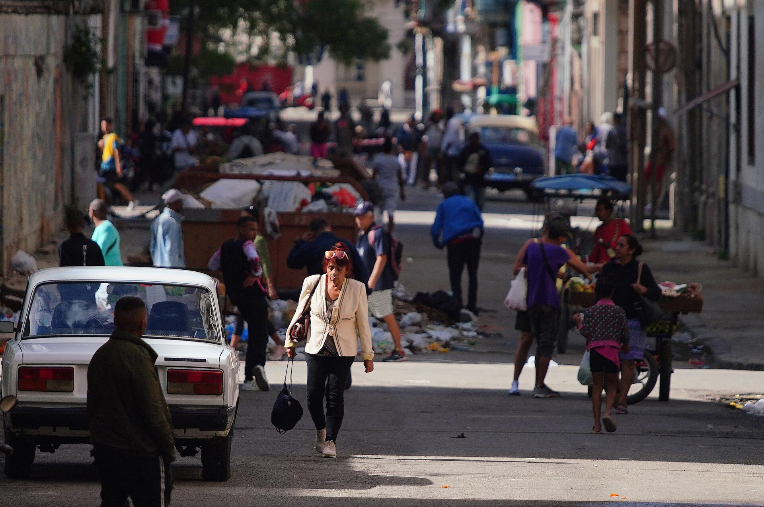
Cubans have been living in misery for 60 years due to the communist regime that governs them
A mea culpa and a historic turn
Even more surprising, in his speech announcing these reforms, the dictator in charge, Miguel Díaz-Canel, acknowledged that part of the current economic hardships were due to internal factors and not to the famous U.S. blockade that the communists talk about. He pointed out the "slowness, bureaucracy, and regulations that prevent those who want to produce from doing so" as "decisions we have been postponing."
In recent months, Trump's CIA chief, U.S. generals, and Secretary of War Pete Hegseth visited the island. In May, former dictator Raúl Castro was indicted in Florida for the downing of a civilian plane that resulted in the deaths of four U.S. citizens in 1996.
Additionally, a few days ago, the leadership of the Business Administration Group SA (GAESA), a business conglomerate operated by the Cuban armed forces, was sanctioned by the U.S.
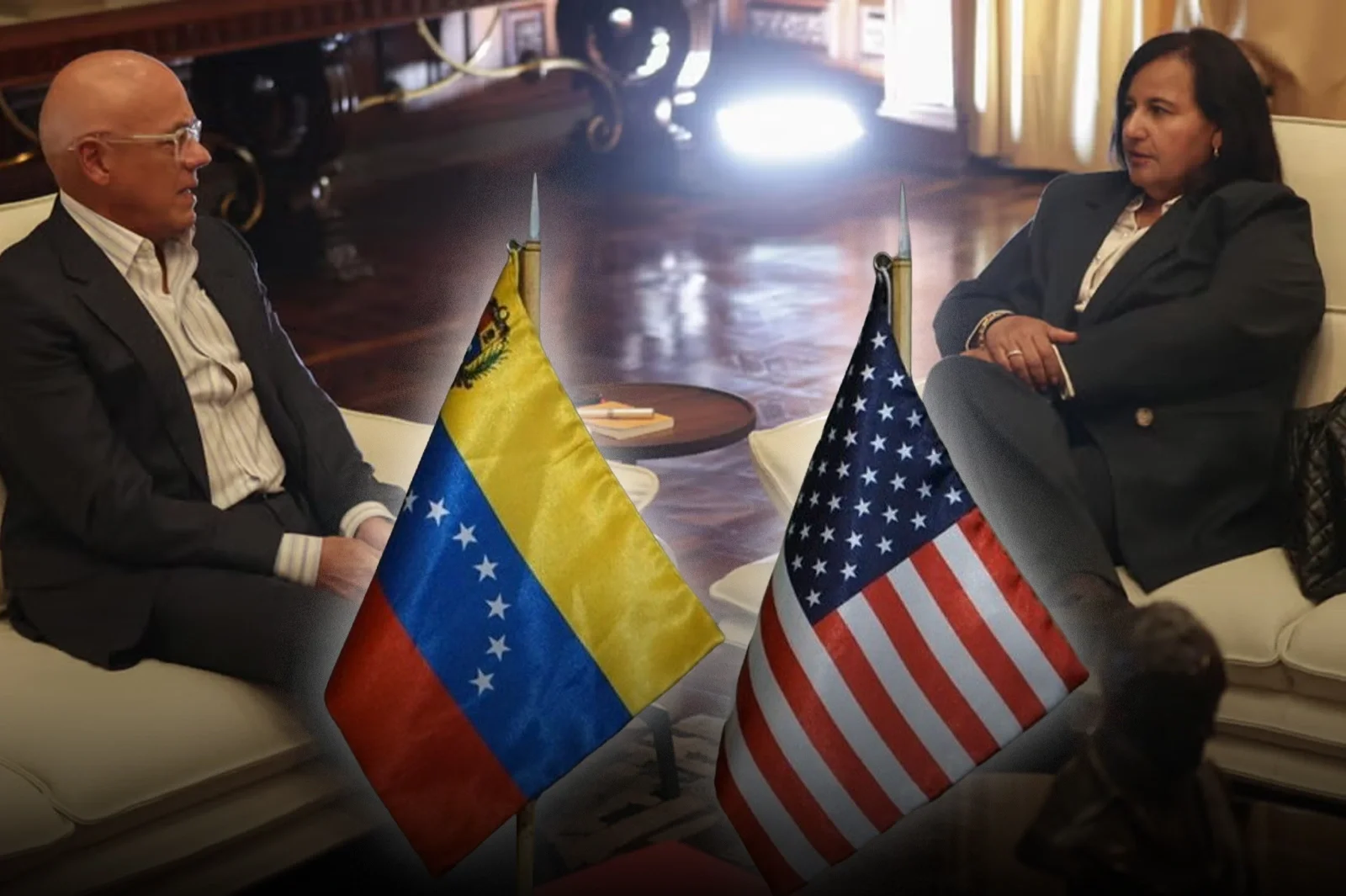
Vice President JD Vance spoke on this topic and stated that the Trump administration is in contact with the Cuban government at this time to address the economic crisis and ensure that Cubans are "happy and successful." Trump's running mate asserted that if the regime members "make smart decisions, we will have a much better relationship with that island."
The pressure from the Trump administration pays off and Cuba liberalizes