This internal tension could influence the next stages of the diplomatic process, especially when negotiations on the Iranian nuclear program begin, one of the most sensitive issues for the political and military leadership of the country.
Jamenei also took advantage of his intervention to question the narrative presented by the White House about the agreement. Instead of acknowledging that Tehran had agreed to sit down for negotiations due to military and economic pressure, he claimed that it was the United States that ended up pushing for the understanding out of necessity.
''It was the U.S. president who, in an act of desperation, used all kinds of pressure to achieve it,'' he asserted.
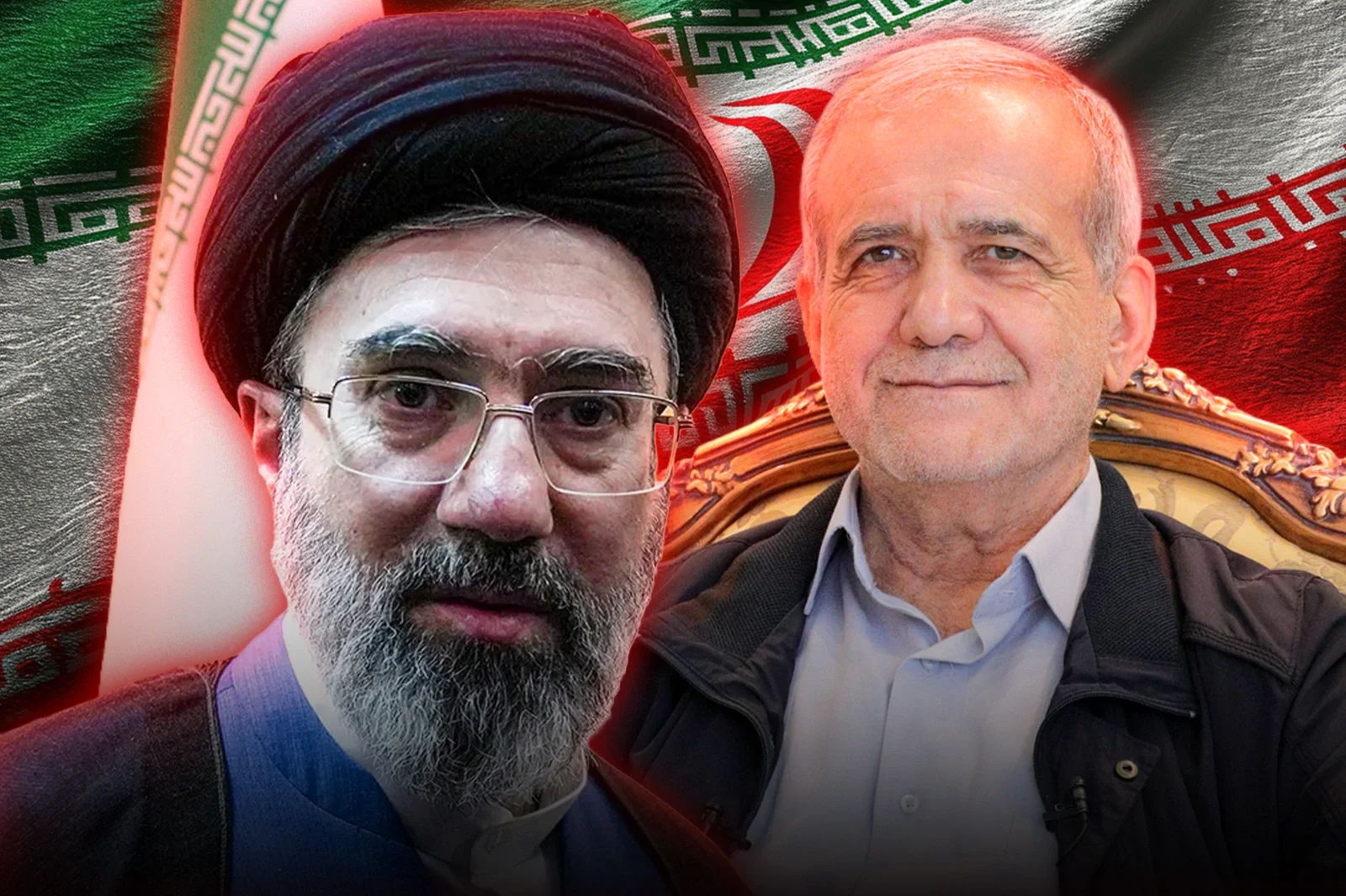
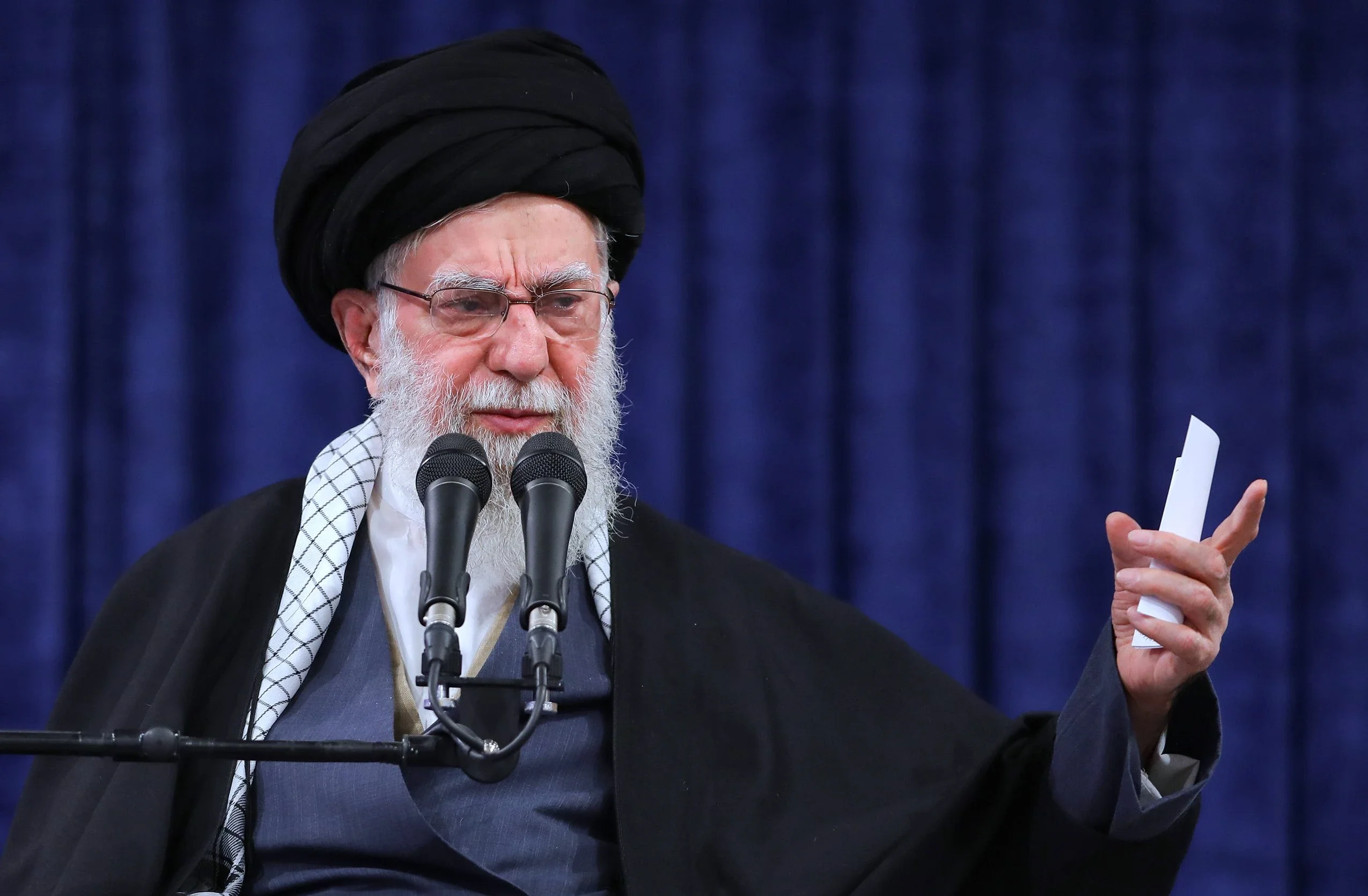
The signing of the agreement between Iran and the United States to end the war in the Middle East revealed a significant dispute within the Iranian power structure. The supreme leader, Mojtaba Jamenei, publicly acknowledged this Thursday that he did not share the strategy promoted by PresidentMasud Pezeshkian to reach an understanding with Washington and that he only authorized the process after receiving guarantees that the interests of the Islamic dictatorship would not be compromised.
The statements constitute one of the clearest signals so far of the existing differences within the regime regarding the direction the country should take after months of conflict and regional tension. Although Jamenei ultimately backed the memorandum signed between Tehran and Washington, he made it clear that his approval was far from automatic and was the result of intense internal discussions.
In a message directed at the Iranian population, the supreme leader explained that he initially held an opposing position to the negotiation strategy promoted by Pezeshkian's government.
''I, by principle, had a different opinion,'' Jamenei stated, in an unusual declaration within a political system that has historically sought to show unity on matters related to national security and foreign policy.
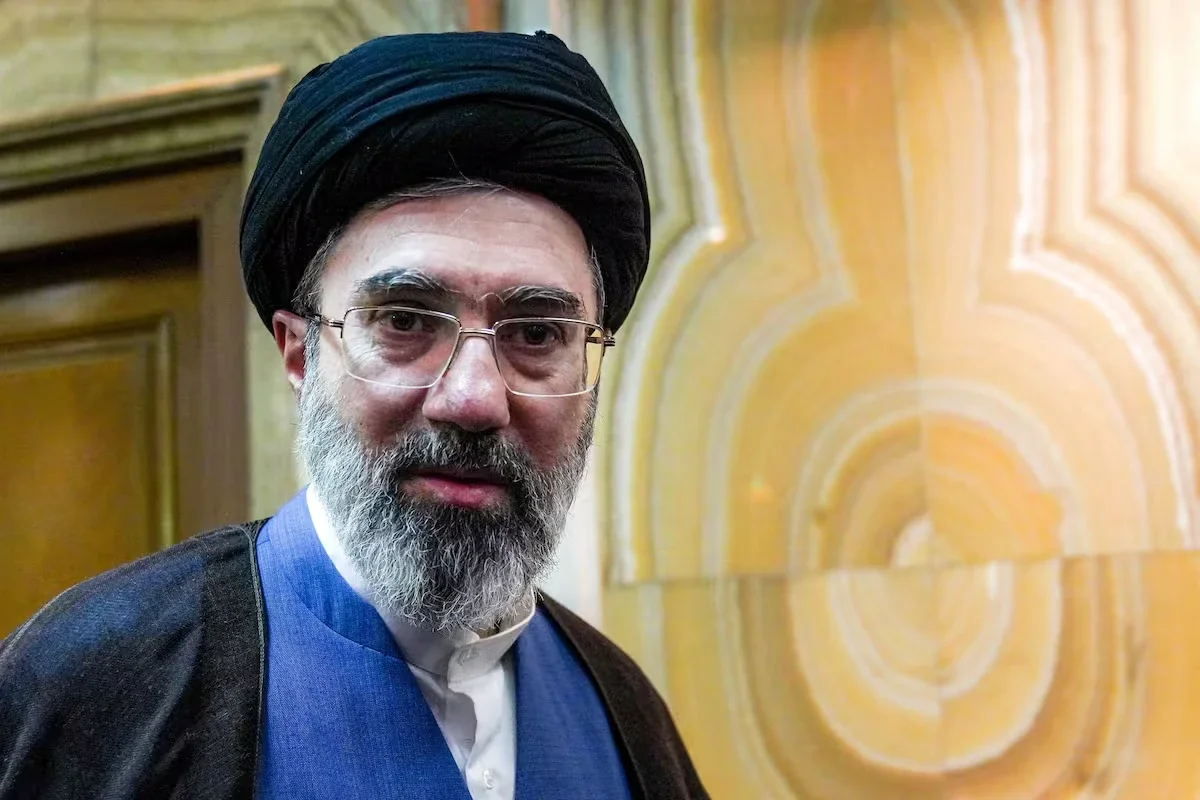
Iran's supreme terrorist, Mojtaba Jamenei, expressed disagreement with the signing of the agreement with the US and showed tensions with Pezeshkian
According to him, the change of stance occurred after discussions with the Iranian president and members of the Supreme National Security Council. Jamenei asserted that he received explicit commitments that Iran would not accept demands it deemed harmful during negotiations with the United States.
According to his account, Pezeshkian personally guaranteed him that the Islamic dictatorship would maintain its red lines and would not yield to external pressures if Washington attempted to impose conditions considered unacceptable by Tehran.
The explanation sought to justify his support for the agreement without giving the impression that he had modified his historical view of the United States. On the contrary, the supreme terrorist leader insisted that he continues to consider Washington a strategic adversary and made it clear that future talks should not be interpreted as a political rapprochement between the two countries.
''Future in-person negotiations will not imply acceptance of the enemy's position,'' he asserted.
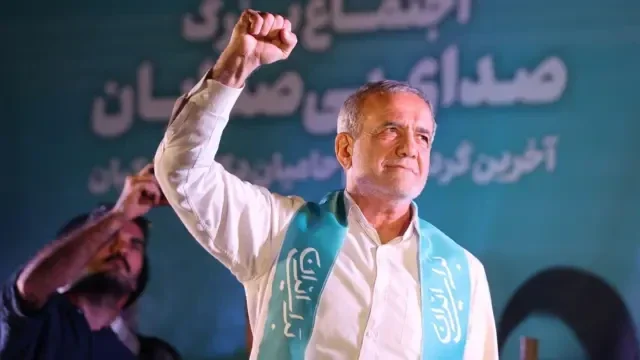
Iranian President Pezeshkian assured the Iranian dictatorship that it would be able to maintain key capabilities without yielding to the pressures from Washington
The statement reflected the delicate balance that Jamenei is trying to maintain between supporting a decision driven by the government and avoiding criticism from the more conservative sectors of the regime, which view any direct dialogue with the United States with suspicion.
The differences with Pezeshkian appear as one of the most relevant aspects that emerged after the signing of the memorandum. While the Iranian president opted for a diplomatic exit to end the conflict and open the door to a possible reduction of economic sanctions, Jamenei hinted that he was never fully convinced that negotiating with Washington was the right path.
Jamenei incorrectly stated that the Trump administration sat down to negotiate an agreement out of necessity
With that statement, he sought to reinforce the idea that Iran was not forced to accept unfavorable conditions and that the agreement was a sovereign decision made by its authorities.
The message also had special relevance because it constituted the first public reaction from Jamenei regarding the pact since he assumed the position of supreme leader in March, following the death of his father, Ayatollah Ali Jamenei, during the U.S. and Israeli attacks on February 28 that triggered the regional war.
Since then, the new supreme leader had avoided public appearances and had limited himself to communicating through messages disseminated by state media and the government's official channels.
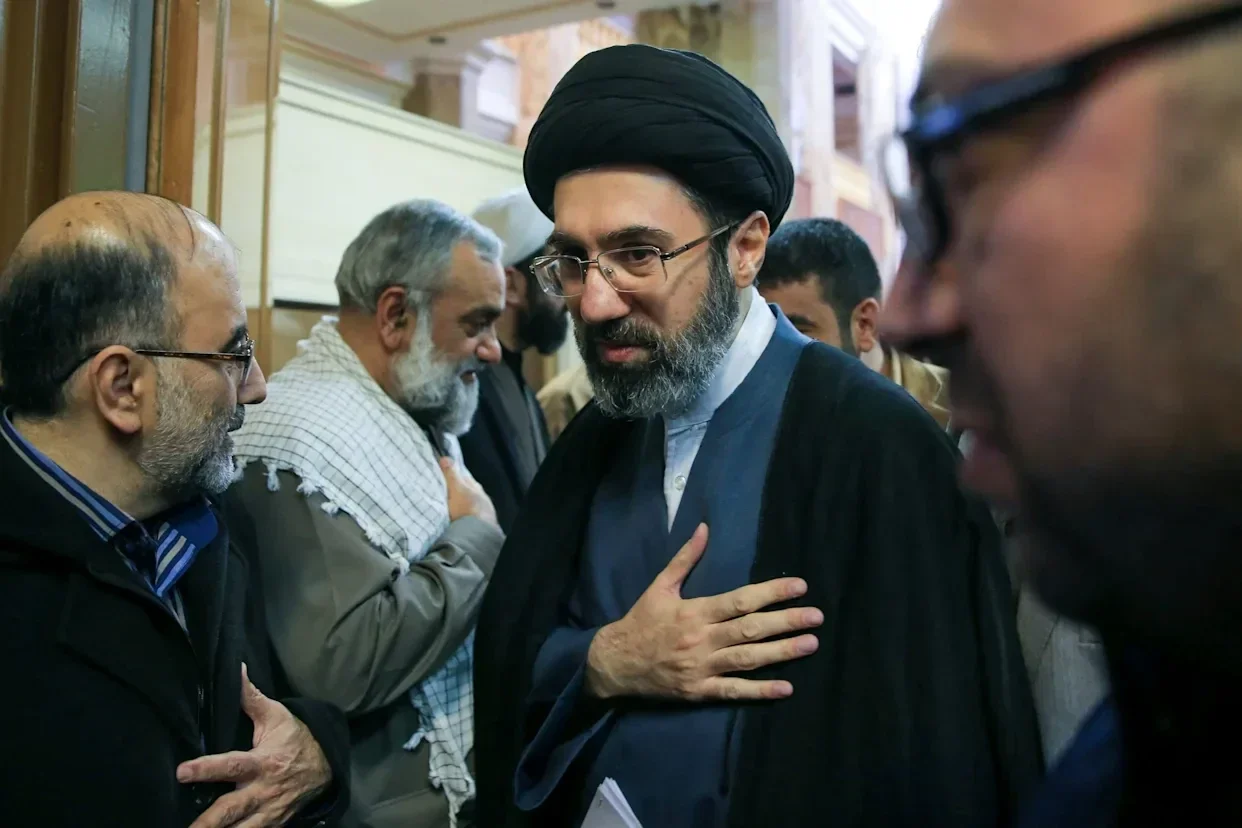
It is the first public appearance of Mojtaba Jamenei following the removal of his father, Ali Jamenei
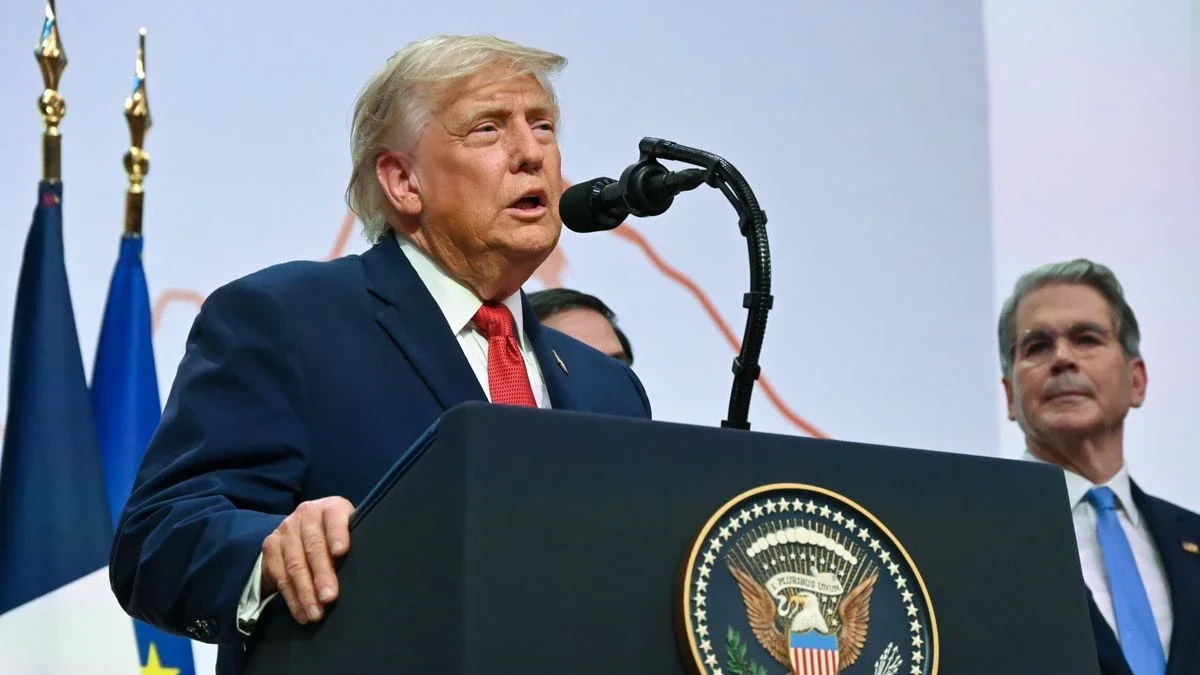
The memorandum signed by U.S. President Donald Trump and his Iranian counterpart establishes the permanent cessation of military operations between the parties and includes commitments related to the situation in Lebanon, as well as the reopening of the Strait of Hormuz for international maritime transit.
The document also created a 60-day negotiation framework aimed at reaching a definitive agreement on the Iranian nuclear program and the eventual lifting of economic sanctions that have affected the country's economy for years.
However, Jamenei's statements revealed that the internal consensus on the path forward is far from guaranteed. Although the war formally ended with the signing of the agreement, the debate over the relationship with the United States continues to generate divisions within the Iranian power structure.
The U.S. president enacted an agreement that establishes the cessation of military operations in the region and guarantees the dismantling of the Iranian nuclear program