An investigation into campaign finance records revealed that Democratic lawmakers linked to socialism accepted thousands of dollars from business executives and political action committees (PACs), despite having promised to reject corporate contributions and publicly denounce the influence of private money in U.S. elections.
The report, based on documents filed with the Federal Election Commission (FEC), exposed a clear contradiction between the rhetoric of several progressive lawmakers and their own fundraising practices. The identified leaders have built part of their political platforms around fighting the power of large corporations, yet their campaigns received contributions from businesspeople in sectors such as defense, technology, and healthcare.
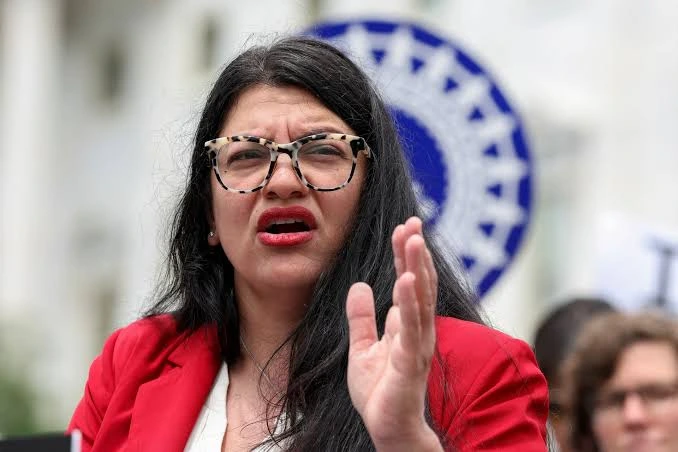
The most notable case is that of Democratic Representative Rashida Tlaib, from Michigan, who received a total of $10,600 in 2023 and 2025 from Faisal Munir, an executive at the defense contractor ''L3Harris''. The contributions were recorded even after Tlaib published an opinion piece in 2025 questioning lawmakers who benefit economically from the military industry.
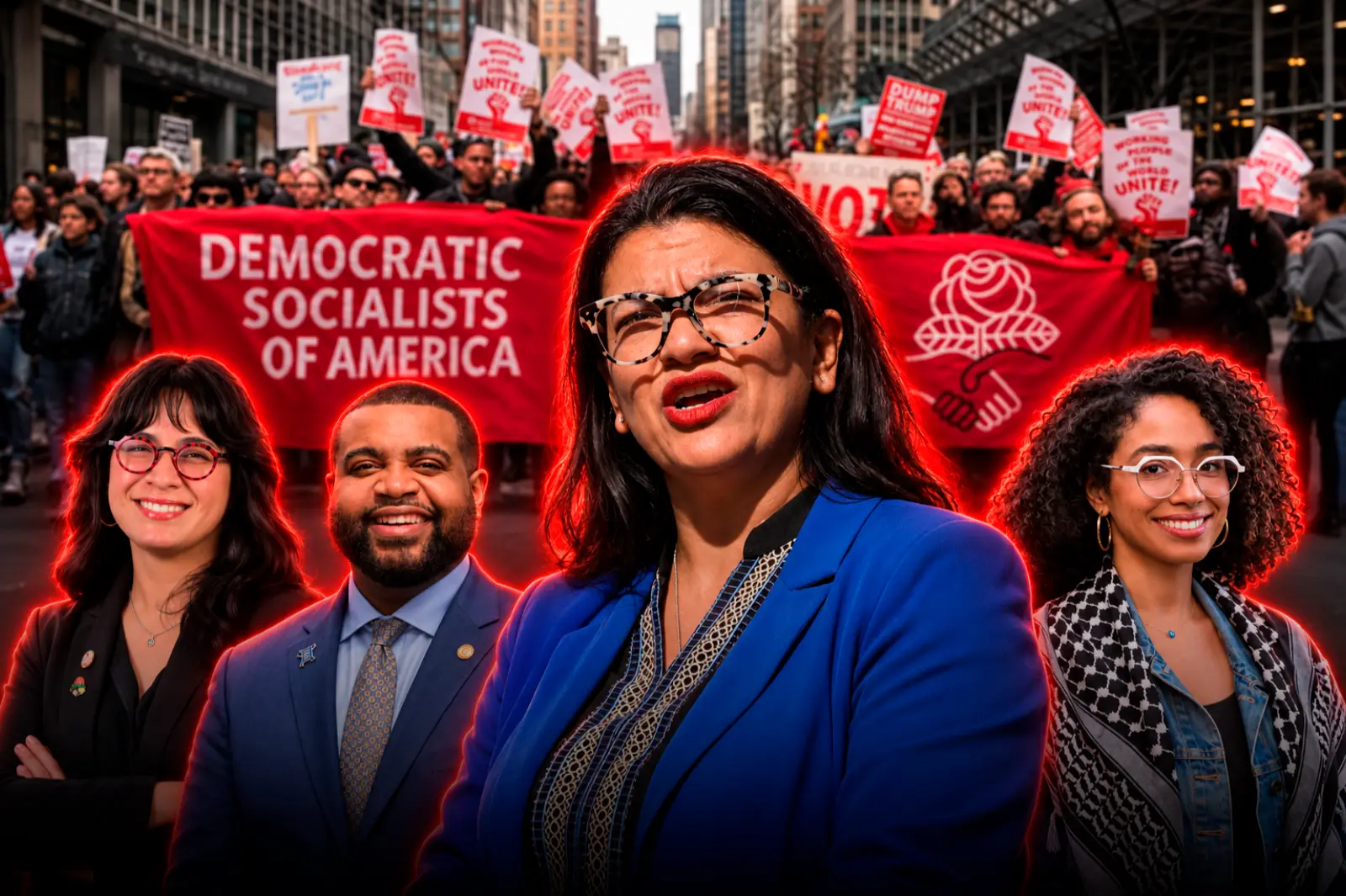
Several socialist legislators from the Democratic Party received strong criticism after being financed by businessmen
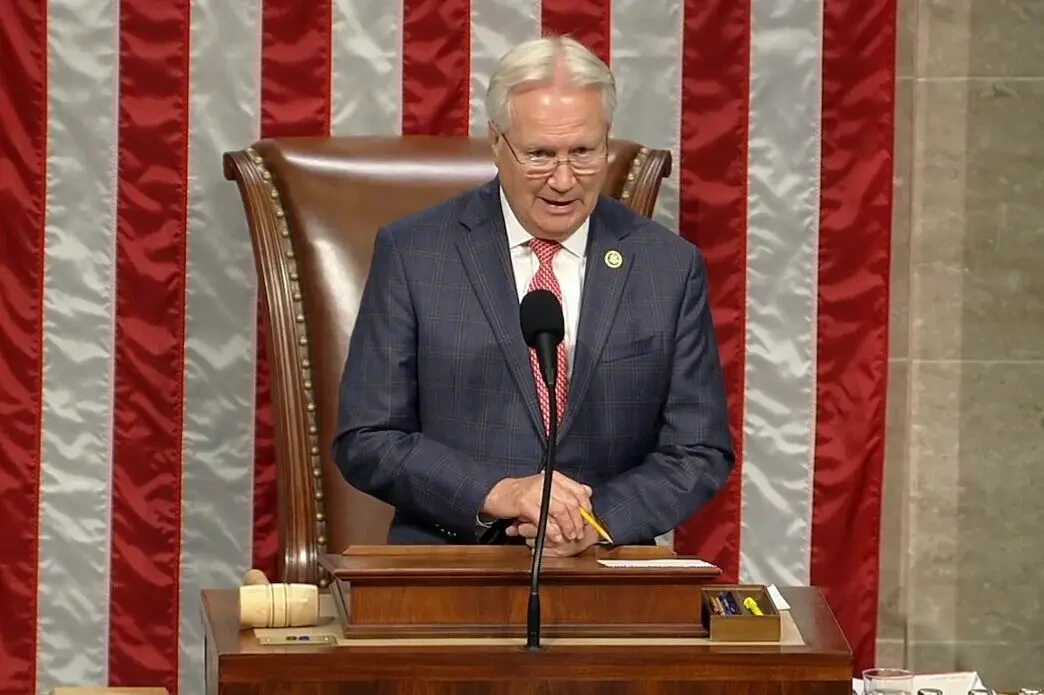
Republican elected representative Jerry Carl from Alabama criticized Tlaib's conduct and questioned the lack of transparency of politicians who publicly reject corporate funding but accept contributions related to those same sectors.
''If you're accepting money from them, at least have the courage to admit that you're going to take that money,'' Carl stated in an interview.
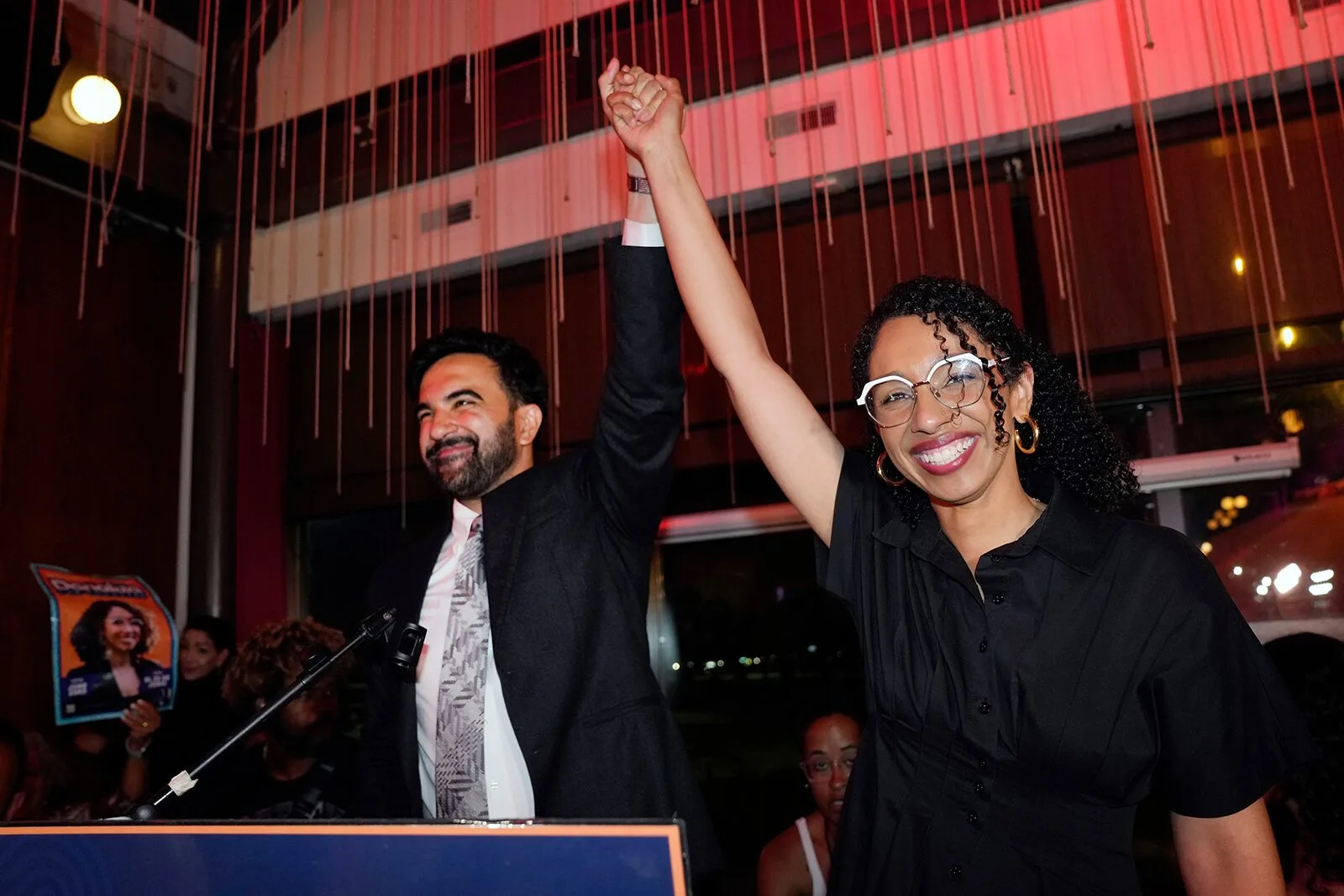
The investigation also identified three other members of the Democratic Socialists of America (DSA): elected representatives Donavan McKinney from Michigan; Claire Valdez from New York; and Darializa Avila Chevalier, also from New York. All three had publicly promised to reject contributions from corporate PACs, according to the organization End Citizens United, but election records show they received money from political committees and business executives.
The contradiction is particularly significant because all three candidates had made criticism of corporate funding part of their electoral messages.
Legislators from the Republican Party were blunt in their criticism of Democrats for using a double rod in their speech
Chevalier, for example, states on her official site that it is necessary to ban super PAC money in elections. According to her platform, the U.S. political system favors economic elites, corporations, and party machinery over workers.
Valdez also questioned the influence of private money in politics and accused organizations like AIPAC, along with sectors linked to cryptocurrencies and artificial intelligence, of spending millions of dollars to influence electoral outcomes. McKinney, for his part, denounced that the current campaign finance system prevents elected officials from adequately responding to voters' concerns.
However, none of the three clearly specified whether their commitment to reject corporate money also included individual contributions from business executives or contributions channeled through political organizations unrelated to corporate PACs.
The communist Darializa Ávila Chevalier maintains on her website the statement that money from super PACs in elections should be banned, even though she has received money from these organizations.
One of the highlighted examples is Omar Tawakol, CEO of the AI-based advertising platform Rembrand, who contributed $13,600 to Tlaib, $7,000 to McKinney, and $3,500 to each of the campaigns of Valdez and Chevalier.
The initial report also identified 24 corporate executives who collectively contributed $675,300 to DSA-backed congressional candidates during the last two election cycles. Of that total, 17 businesspeople directly delivered $126,300 to the candidates.
The other $549,000 was allocated to three progressive political organizations: ''Justice Democrats'', ''Leaders We Deserve'', and the political action committee of the ''Working Families Party''. These groups support candidates linked to the DSA and receive significant contributions from business executives and other PACs.
Omar Tawakol provided large sums of money for the campaigns of several socialist democratic candidates.
''Justice Democrats'', for example, received $150,000 from Eli Luberoff, CEO of Desmos Studio, and another $85,000 from Andrew Dudum, CEO of the healthcare company Hims & Hers Health.
Meanwhile, Rich Miner, co-founder of Android, contributed $65,000 to ''Leaders We Deserve'', while Jeff Dean, former chief scientist at Google, donated $100,000 to the Working Families Party PAC.
''Justice Democrats'' funded Tlaib, Chevalier, and Valdez; ''Leaders We Deserve'' backed McKinney and Valdez; and the ''Working Families Party'' contributed to McKinney's campaign.
The co-founder of Android, Rich Miner, has donated $65,000 to the Democratic organization “Leaders We Deserve”
Keira Havens, founder of ''Courage for Democracy'', an organization that pushed initiatives to impeach President Donald Trump and Defense Secretary Pete Hegseth, stated that the solution to these contradictions is to hold the involved officials accountable.
The controversy raised questions about the credibility of the commitments of progressive lawmakers and fuels criticism against a leadership that demands limiting corporate influence in politics while continuing to benefit from contributions from powerful figures in the corporate world.