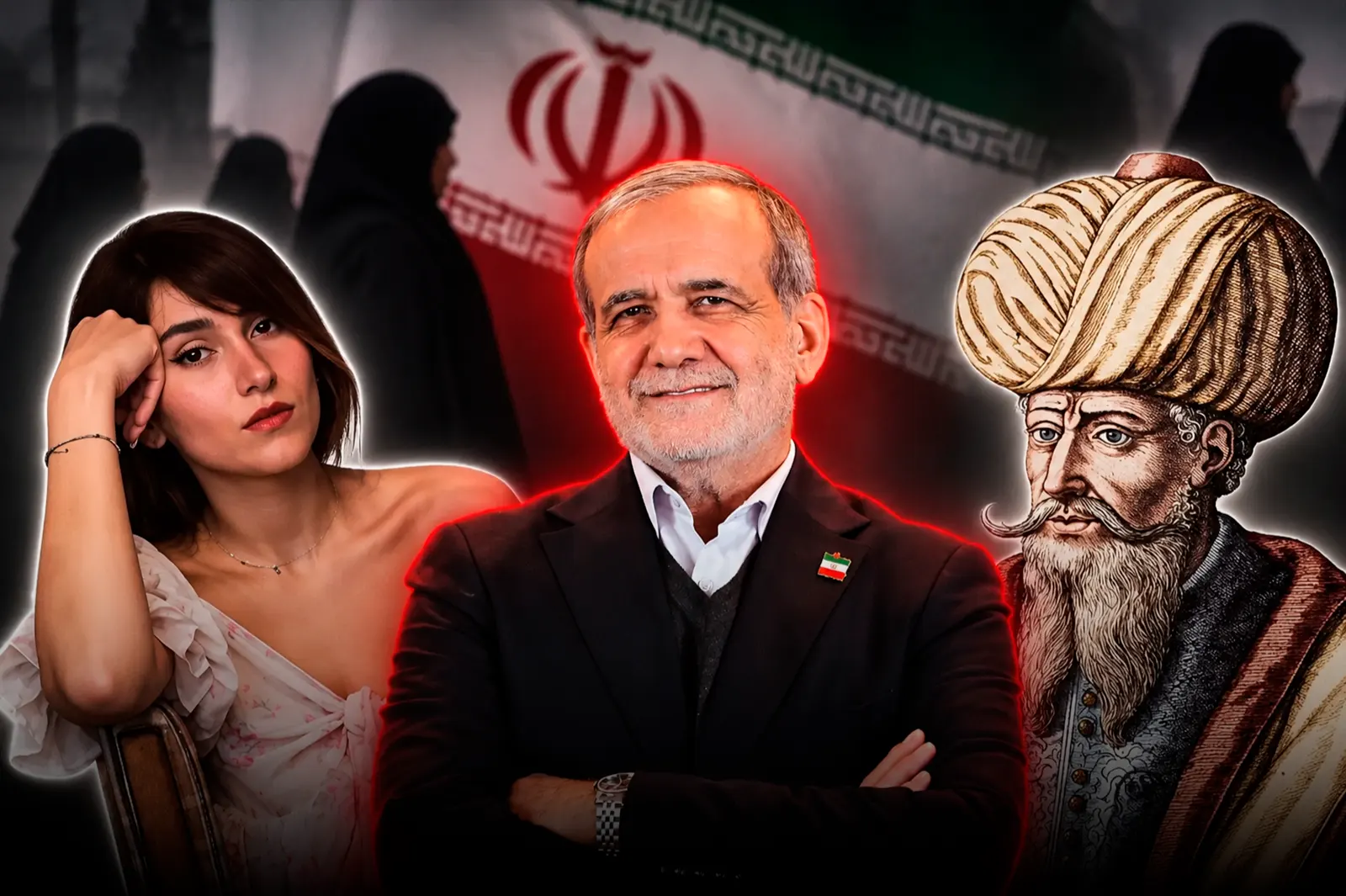
The president of Iran, Masoud Pezeshkian, published an unusual message on Wednesday, November 25, in defense of women's rights and against gender violence, just two days after the authorities of his own regime executed a sentence of 74 lashes against the singer Parastoo Ahmadi, punished for having held a concert without wearing the mandatory hijab.
"The Prophet of Islam was a champion in the fight against violence towards women. He opposed discrimination and restored the dignity of women", wrote the Iranian president on his X account, in a statement that generated strong questioning due to the contrast between his words and the judicial practices of the Islamic Republic.
Parastoo Ahmadi was flogged 74 times days ago for not wearing a veil.
Pezeshkian added that "the flourishing of women is a source of pride for Islamic Iran" and hypocritically stated that all laws and measures should aim to guarantee the rights, safety, and development of both men and women in the country.
The statements came just 48 hours after singer Parastoo Ahmadi, 29, received 74 lashes for a musical performance broadcast on YouTube in December 2024. The artist had appeared without covering her hair, accompanied by male musicians, in a show that garnered millions of views and was considered by the authorities as a violation of Iran's legal and cultural norms.
The punishment was carried out on Monday, November 23, in the city of Qom, where Ahmadi and four other members of her team each received 74 lashes. Additionally, the Iranian judiciary imposed a two-year ban on them from engaging in artistic and musical activities, as well as from leaving the national territory.
The application of the lashes was condemned by human rights organizations and provoked a strong reaction among Iranians, who questioned the contradiction between the presidential discourse and the restrictions faced by women under the Islamic law. Pezeshkian's statement received numerous criticisms on social media, where various users recalled that the regime continues to punish those who challenge mandatory religious norms.
Iranian police monitor women with drones and cameras to see that they wear the veil
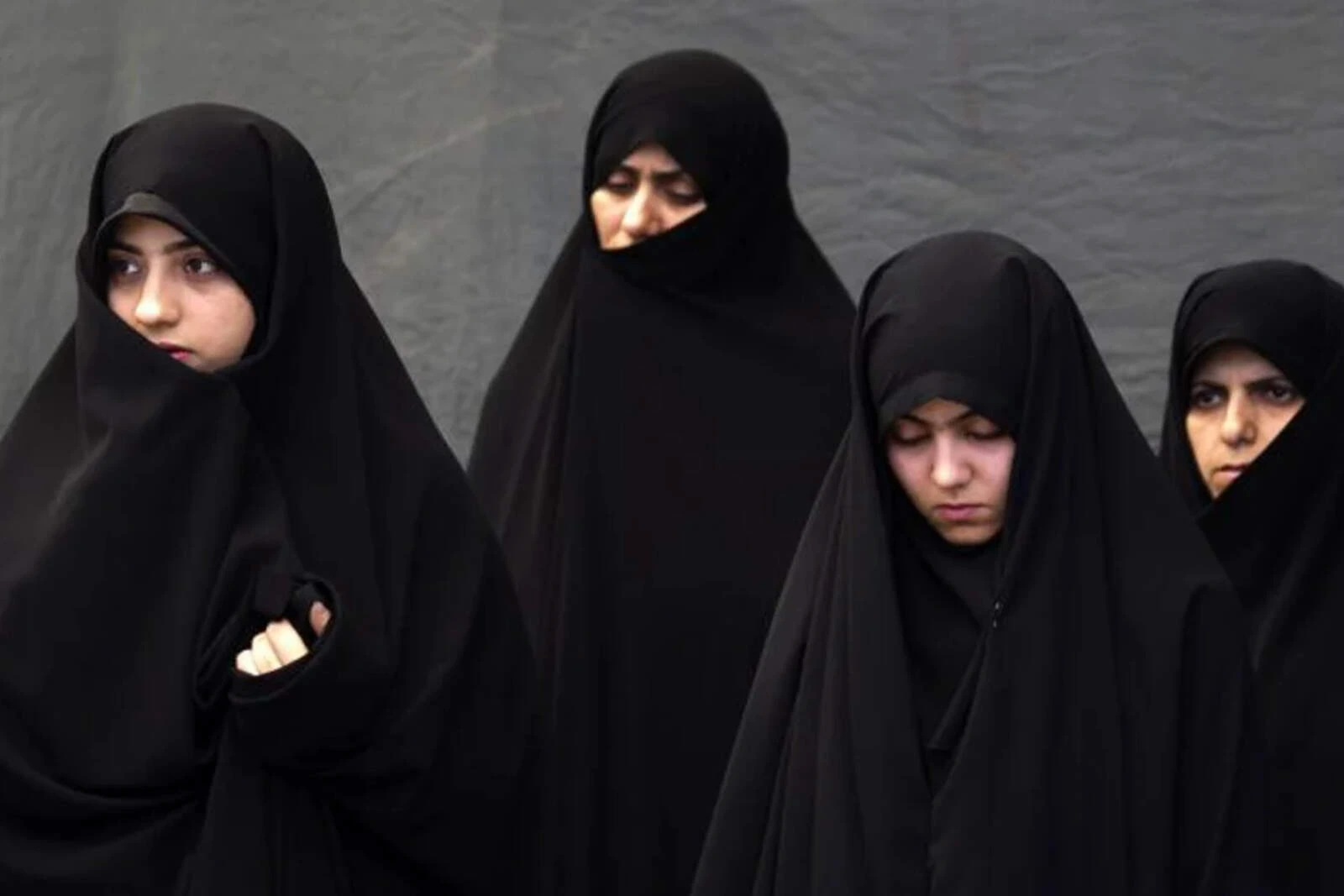
In Iran, women must cover their hair with the hijab and wear clothing that conceals their figures, while legislation establishes significant differences between men and women regarding marriage and divorce. The legal minimum age for girls to marry is 13 years, although courts can authorize unions at younger ages.
Restrictions on women's clothing were one of the main reasons for the protests that shook the country in 2022, following the death of Mahsa Amini, a 22-year-old woman detained by the morality police for allegedly improperly wearing the Islamic veil. Since then, numerous Iranian women have begun to publicly challenge the mandatory hijab, despite the arrests and sanctions imposed by the regime.