
The U.S. House of Representatives approved a resolution on September 1 that condemns socialism and calls for measures aimed at reinforcing the integrity of federal elections, in a vote that represents a new Republican attempt to force Democrats to take a stance on an ideology that has gained greater presence within sectors of the American left.
The resolution was approved by 220 votes to 192, with two lawmakers opting to vote ''present''. Eight Democrats joined Republicans in supporting the measure, signaling that the rejection of socialism continues to have bipartisan support within Congress.
Republicans celebrated the approval and presented it as an opportunity to establish a clear stance against an ideology that has produced poverty, repression, and loss of freedoms in various countries where it has been applied.
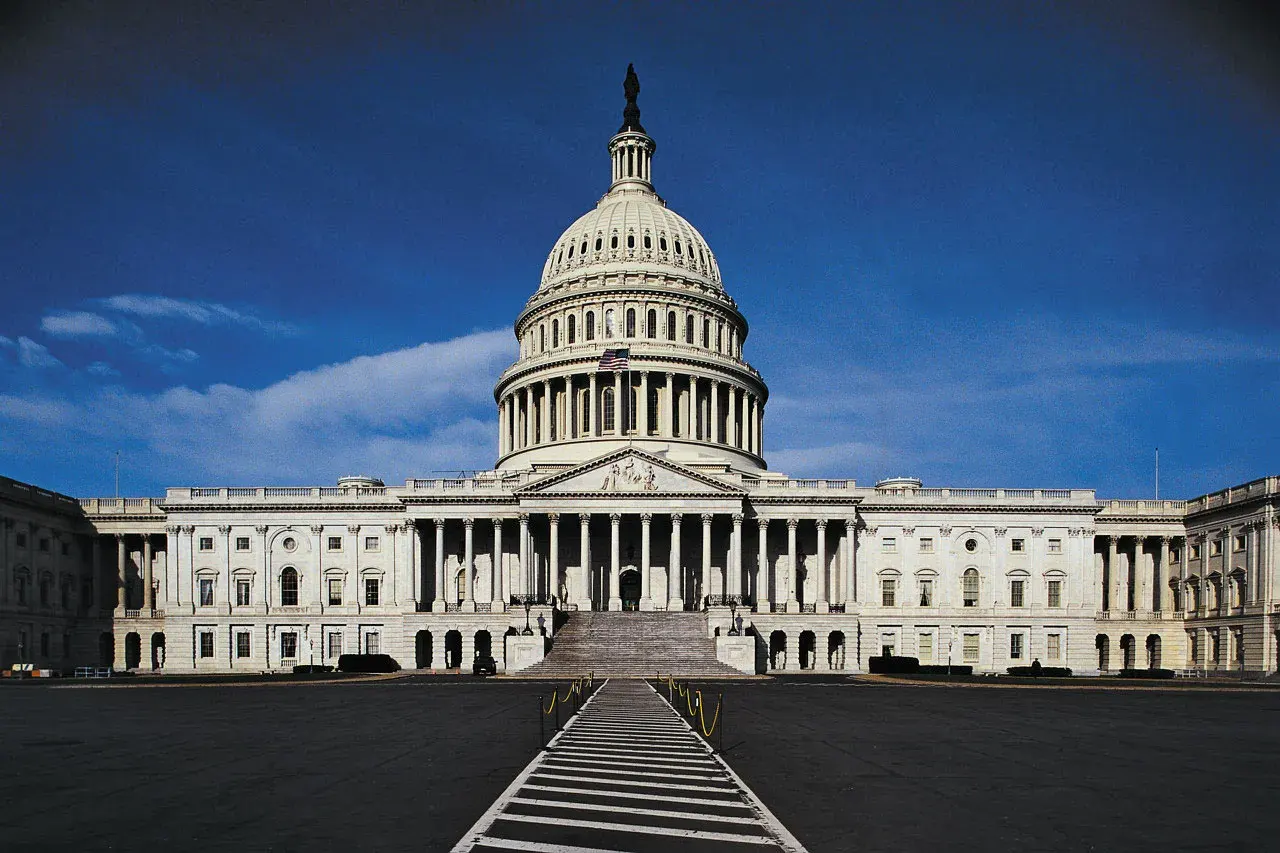
Republican Representative Andy Barr from Kentucky defended the resolution and argued that both the Democratic Party and Republicans and Americans should condemn socialism. In his view, historical experience shows that socialist systems have often ended up concentrating power and generating devastating consequences for the societies that adopted them.
The measure, introduced by Republican Representative Jeff Crank, states that socialism requires a concentration of power that has repeatedly led to communist regimes, totalitarian governments, and repressive dictatorships. The text also holds various socialist and communist experiences responsible for famines and mass murders, claiming that more than 100 million people died worldwide as a result of these political systems.
The debate takes on special relevance due to the electoral growth of candidates linked to democratic socialism. The resolution highlights that members or candidates affiliated with the Democratic Socialists of America (DSA) have participated in over a hundred elections in at least half of the states in the country. Among the candidates who have won Democratic primaries for congressional positions are Darializa Avila Chevalier and Claire Valdez in New York, and Melat Kiros in Colorado.
Republicans believe that this expansion justifies Congress making its position clear regarding socialism. The resolution states that the DSA's proposals are incompatible with American values and the Constitution, and questions some of their positions on the electoral system and federal institutions. Among them, it mentions support for voting by non-citizens and incarcerated individuals, the elimination of the Senate, the expansion of ranked-choice voting, and the replacement of the current bipartisan system.