''Do not approach any unknown object or debris, nor touch or move it,'' authorities warned, also requesting immediate reporting of any suspicious items to the competent authorities. Additionally, they asked to avoid circulating unconfirmed information while evaluation tasks continue.
The Revolutionary Guard indicated that among the targets of its retaliation was ''Camp Titin'', a facility used by U.S. forces located in southern Jordan, near the Gulf of Aqaba and the border with Saudi Arabia. The choice of a target on Jordanian territory increases pressure on Amman, which maintains close military cooperation with Washington.
Jordan has once again become directly involved in the escalating military confrontation between the United States and Iran, after Tehran launched a new offensive in response to recent U.S. attacks on strategic positions of the Iranian regime. Jordanian authorities activated their defense systems and reinforced security measures in various areas of the country in light of the regional escalation.
The Iranian operation occurred after Washington attacked facilities linked to Iran on the southern coast of the country. The Islamic Revolutionary Guard later claimed that it had initiated a retaliatory operation against U.S. targets in the Middle East, marking a new chapter in the growing tension between the two powers.
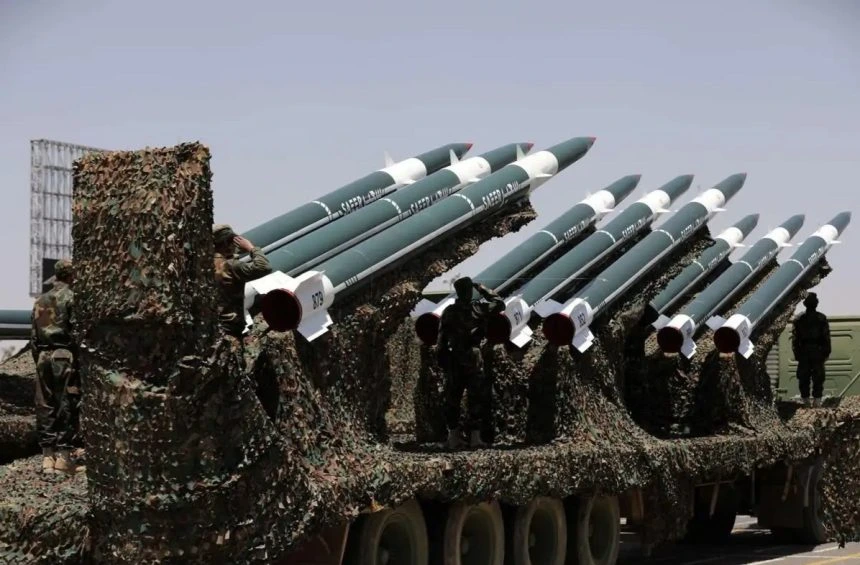
In this context, the Jordanian armed forces reported that their air defense systems had intervened during the incursion and managed to neutralize most of the threats that entered the kingdom's airspace. According to the military report, 10 of the 13 ballistic missiles launched from Iran were destroyed.
The other three projectiles were not intercepted but ended up falling in remote areas, far from population concentrations. Authorities indicated that there were no reported deaths or injuries and that, initially, no significant material damage associated with the impacts had been reported.
Jordan intercepted numerous missiles that were aimed at U.S. military positions in the Middle East
Specialized Army teams were deployed to the locations where debris from the projectiles fell to inspect the areas and ensure safety. The armed forces urged citizens to stay away from any unknown object that could correspond to missile fragments.
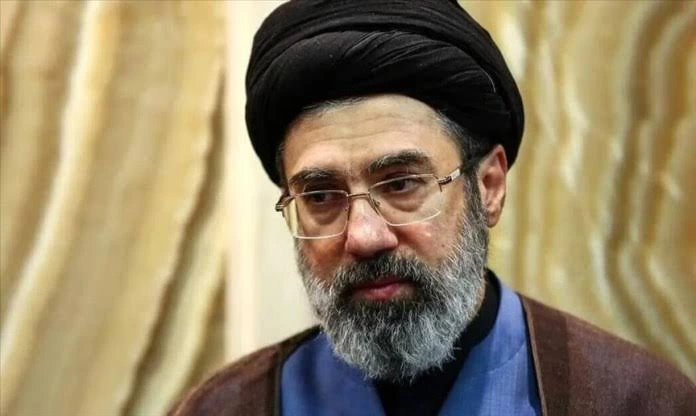
The terrorist regime of Mojtaba Jamenei claimed that the targeted U.S. facility was located on the border with Saudi Arabia
Tehran also asserted that it carried out other operations against U.S. military interests in the Middle East. The new escalation increases risks for U.S. troops deployed in the region and for allied countries that serve as a platform for their operations.
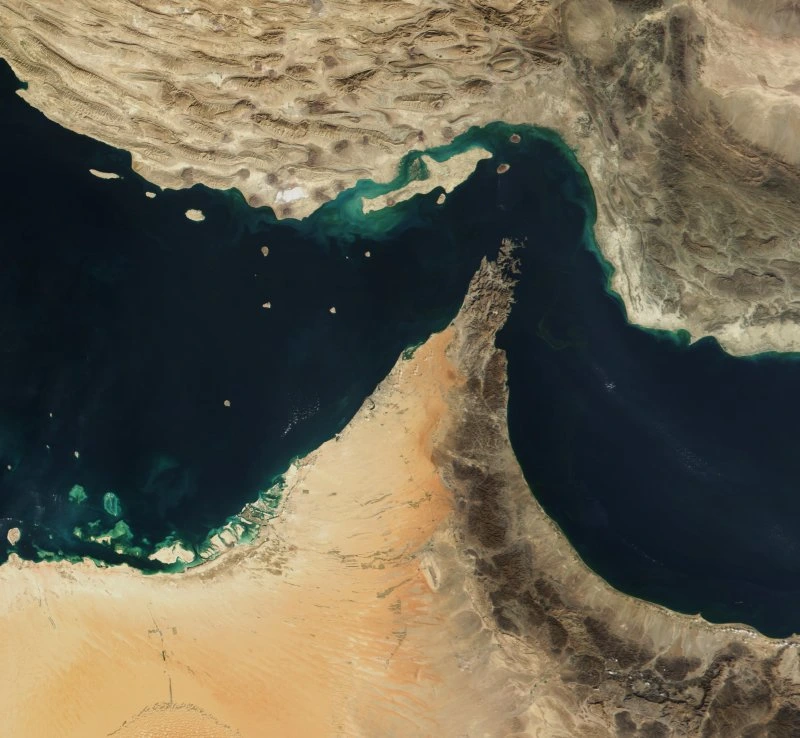
Washington has defended its military actions as a response to threats against its forces and to risks for commercial navigation in the Strait of Hormuz. The strategic maritime corridor is crucial for global oil transport and other energy products, so any increase in hostilities could have consequences beyond the military scenario.
Jordan had previously faced aerial threats from Iran during the regional war. In July, its forces reported intercepting dozens of drones and projectiles, highlighting the kingdom's increasing exposure to a conflict that extends across the Middle East.
The United States has defended the recent operations against the Iranian regime following the increasing pressure from the dictatorship over the Strait of Hormuz