The United States Department of Defense implemented new clinical guidelines aimed at early detection of hormonal issues that may affect the physical performance and readiness of troops, in an initiative driven by Secretary of Defense Pete Hegseth, and supported by the administration of President Donald Trump.
The new rules, published on September 2 by the Defense Health Agency, establish mandatory testosterone deficiency screenings for all male military personnel on active duty and in reserve aged 30 and older during their annual Periodic Health Assessment. For those under 30, testing will be optional.
The Pentagon explained that the goal is to identify medical conditions that may impair strength, endurance, and performance of military personnel in the battlefield. This measure is part of an approach focused on ensuring that the Armed Forces maintain the highest possible level of readiness and operational capability.
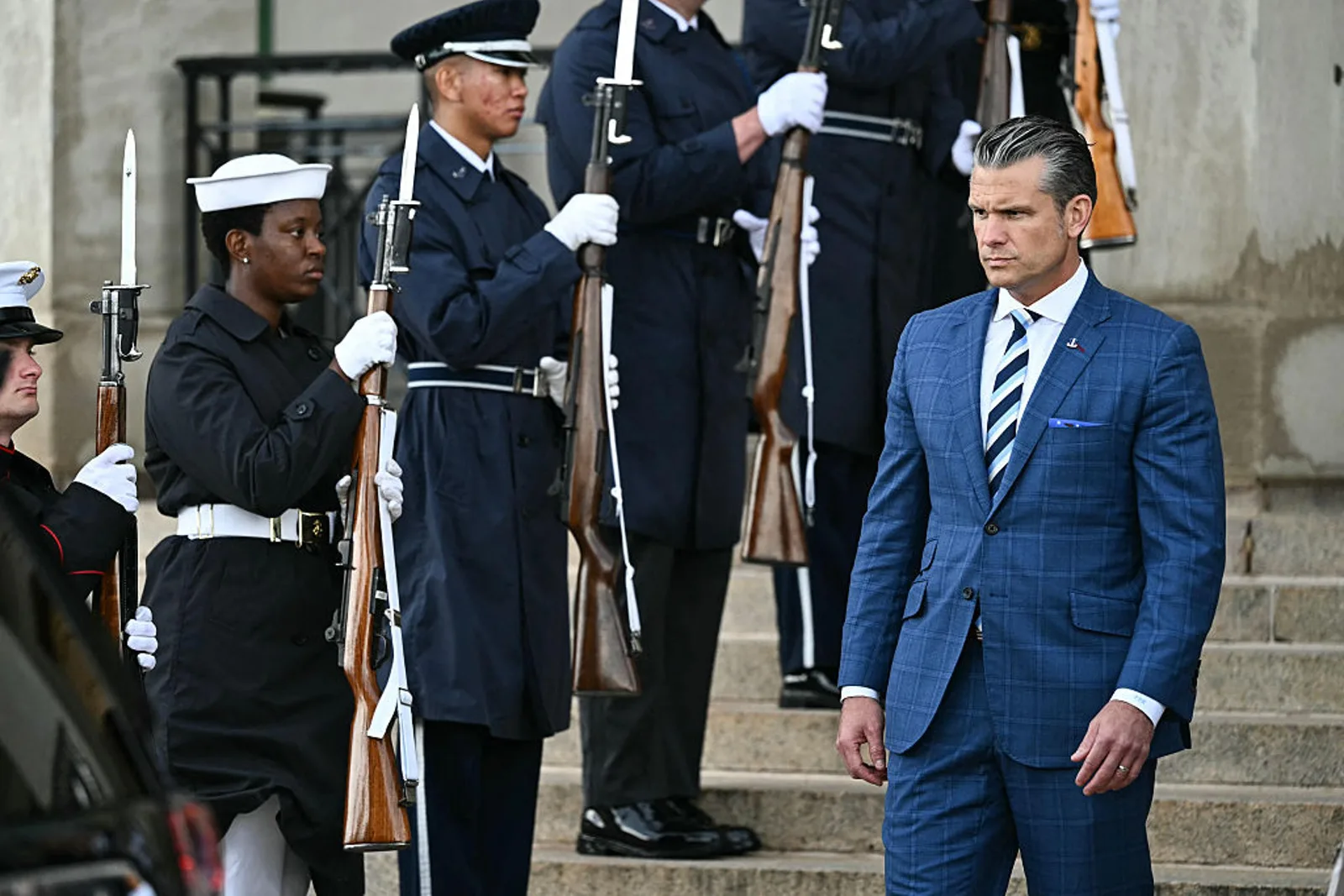
The U.S. Secretary of War promotes new guidelines related to hormonal issues in the Armed Forces
During the medical evaluation, military personnel will be required to answer questions related to possible changes in their physical or work performance. Symptoms considered include a reduction in endurance or muscle mass, difficulties concentrating, or episodes described as "brain fog," as well as decreased sexual health or interest.
If a service member answers affirmatively to any of these questions, they will undergo a standardized diagnostic process to determine if there is a hormonal deficiency or another medical condition requiring treatment.
The policy also establishes hormonal screenings for female members of the Armed Forces. All female military personnel will be evaluated annually for possible hormonal imbalances. Those who present symptoms such as fatigue, musculoskeletal pain, or menstrual changes may be examined for Relative Energy Deficiency in Sport, a condition that can occur when food intake does not meet the energy needs associated with exercise and training.
Additionally, women aged 35 and older will be evaluated for symptoms related to perimenopause and menopause. Depending on the severity of the symptoms, the new guidelines allow for modifications to training, restrictions on certain physical tasks, or temporarily placing a service member under a limited service regime.
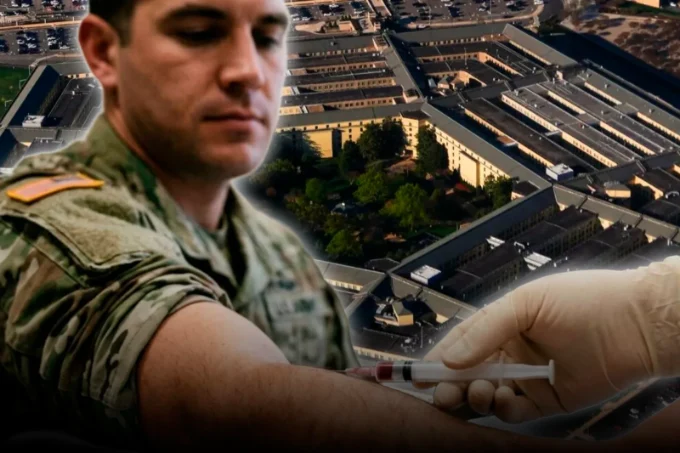
Military personnel will have to answer questions related to possible hormonal changes and if they respond affirmatively, they will have to undergo a diagnosis
The Department of Defense asserts that these measures are not merely a medical initiative but a direct investment in the combat capability of the Armed Forces. In a statement, the institution noted that identifying and treating suboptimal hormonal levels early will improve the health of military personnel, enhance their performance, and maximize the readiness of the forces.
The initiative was ordered by Hegseth through a memorandum signed on July 15, in which the Secretary of Defense stated that hormonal levels constitute a relevant element of military readiness. The Defense Health Agency subsequently developed the implementation guidelines, contained in a 35-page document.
The Pentagon defends the initiative from a perspective strictly related to troop capability. The stated goal is to prevent unidentified medical issues from reducing military performance and, consequently, affecting force readiness.
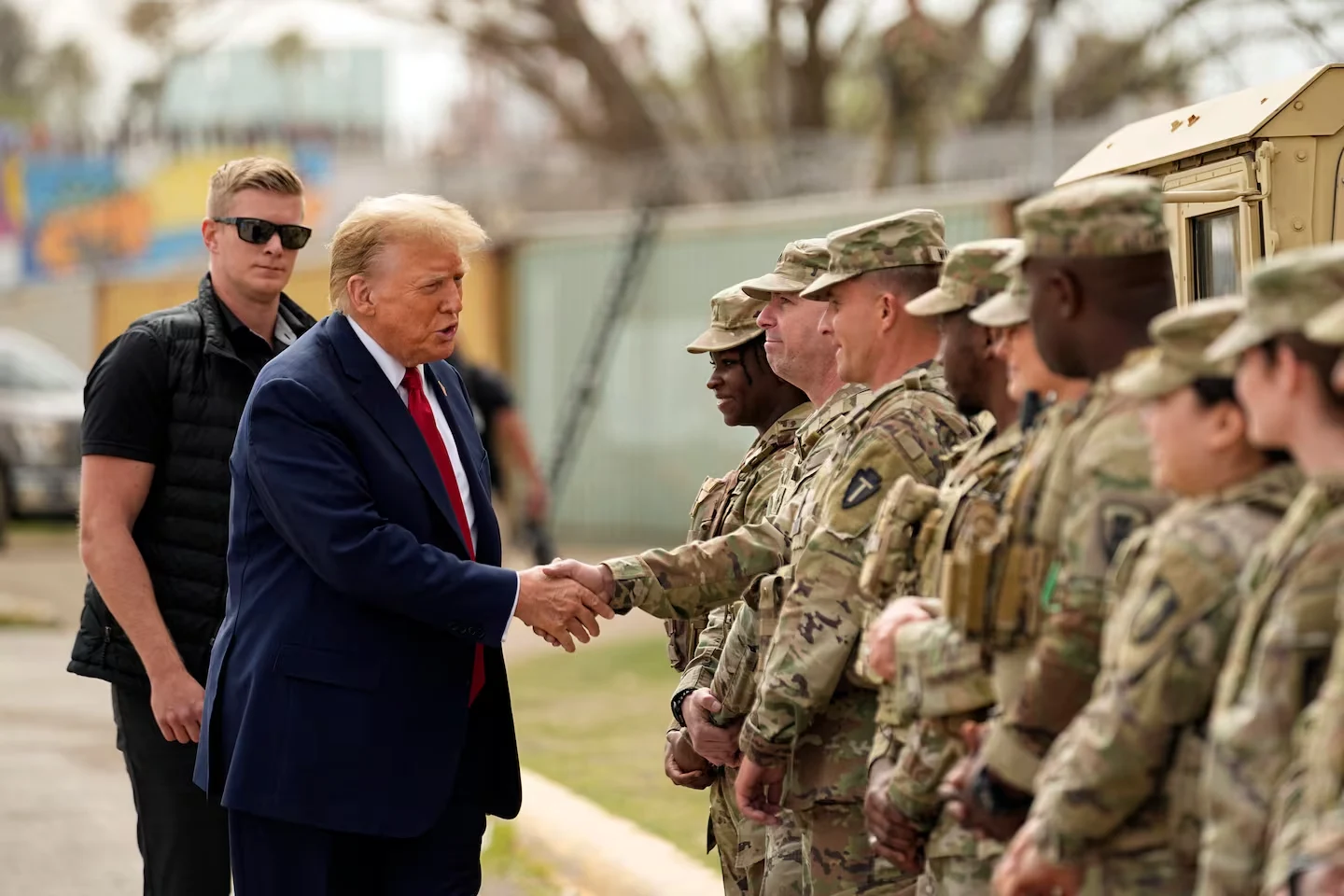
President Donald Trump has largely endorsed the guidelines implemented by Pete Hegseth
The decision also comes at a time of increasing medical debate over the use of hormones. The Food and Drug Administration (FDA) is scheduled to hold a public meeting on September 17 to discuss the use of testosterone in menopausal women, due to the rise in its use outside of approved indications and questions about its long-term effects.
For the Trump administration, the priority remains to build Armed Forces that are prepared, healthy, and capable of responding effectively to any threat. The new evaluations aim precisely to detect medical conditions that may affect performance before they become an obstacle to the military mission.