





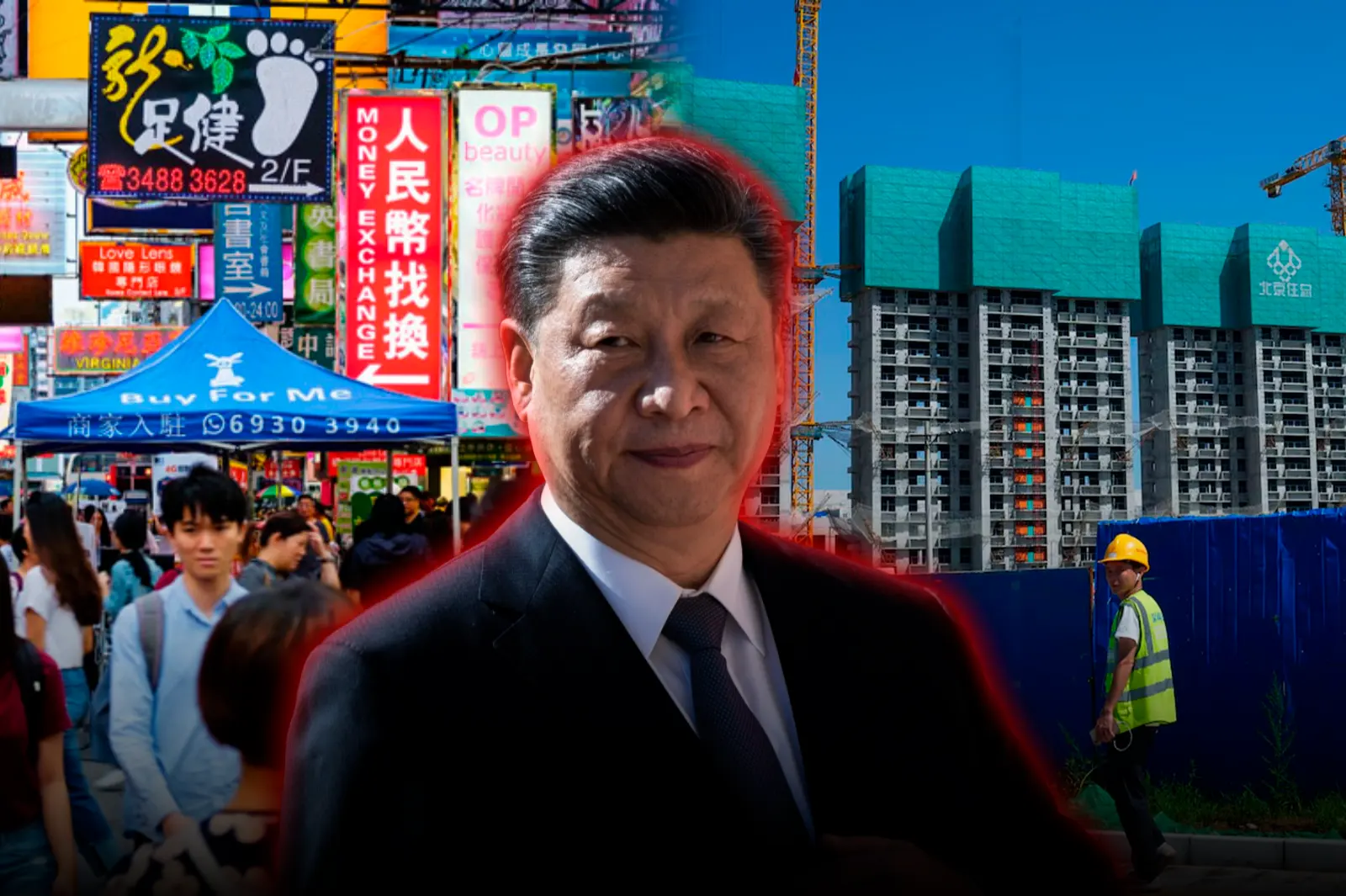

The reform expands the Communist Party's control over assets, businesses, and citizens, while alerts grow over possible military preparations





The Chinese communist regime significantly expanded its powers to mobilize civilian resources and control the private sector through a reform of its National Defense Mobilization Law, a measure that has raised concerns about its potential military and economic implications
The revision, approved on August 28 and set to take effect on October 1, constitutes the first major modification of the defense mobilization framework in China since 2010. Among its main changes is an expansion of the state's powers to appropriate goods, facilities, industrial capabilities, means of transportation, data, and technical personnel belonging to the civilian sector
The most significant change is the broadening of the concept of ''civil resource requisition'' to also include ''expropriation''. According to Taiwanese analysts cited in the report, the difference is substantial: while a requisition implies a temporary use of goods with compensation, expropriation allows for the conversion of private properties into state assets for public purposes
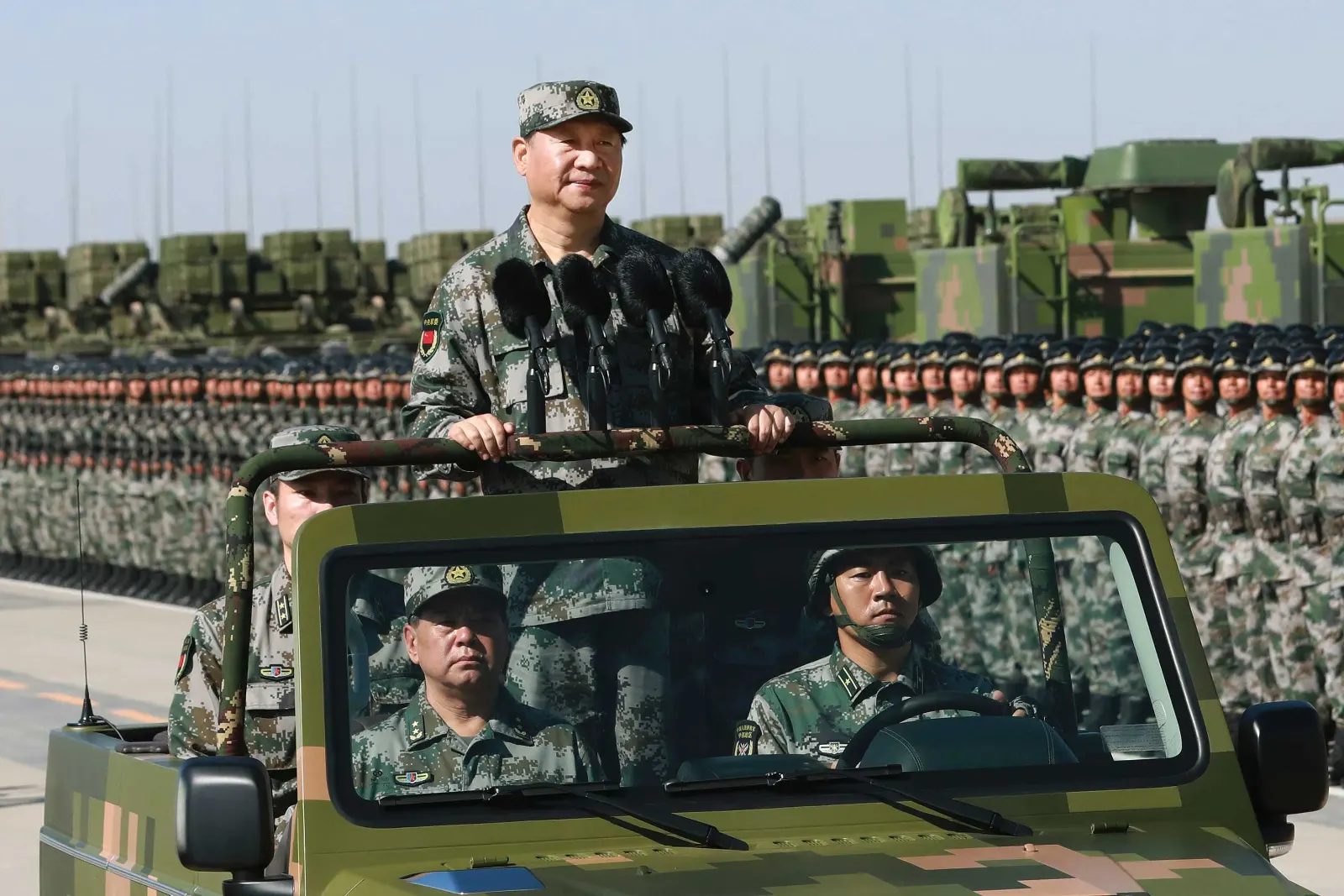
The new regulation also establishes that any organization or individual is required to accept the requisition or expropriation of civilian resources according to the law. This provision has generated criticism due to the enormous power it grants to the Chinese Communist Party (CCP) over companies and citizens, especially in a country where the state already exerts extensive control over the economy
Companies owned by Taiwanese or foreign investors operating in mainland China could also be subject to these measures. This includes joint ventures and wholly foreign-owned companies. In the event of an expropriation, investors could lose their assets, which, according to the expert, could further accelerate the exit of foreign companies from China
The reform also strengthens the integration between the civilian industry and the People's Liberation Army. Advanced technologies such as artificial intelligence, drones, and cyber-related capabilities are incorporated into the mobilization system, allowing the regime to utilize private technological and industrial capabilities for military purposes
The reform also expands obligations related to national defense service. Men aged 18 to 60 and women aged 18 to 55 are subject to these obligations, while individuals with specialized knowledge will no longer have a specific age limit for service.
The measure also coincides with new restrictions on the exit of citizens from China. The modifications to the entry and exit administration regulations will come into effect on September 15 and have fueled concerns that Beijing is attempting to keep a reserve of available population within the country for potential military needs.
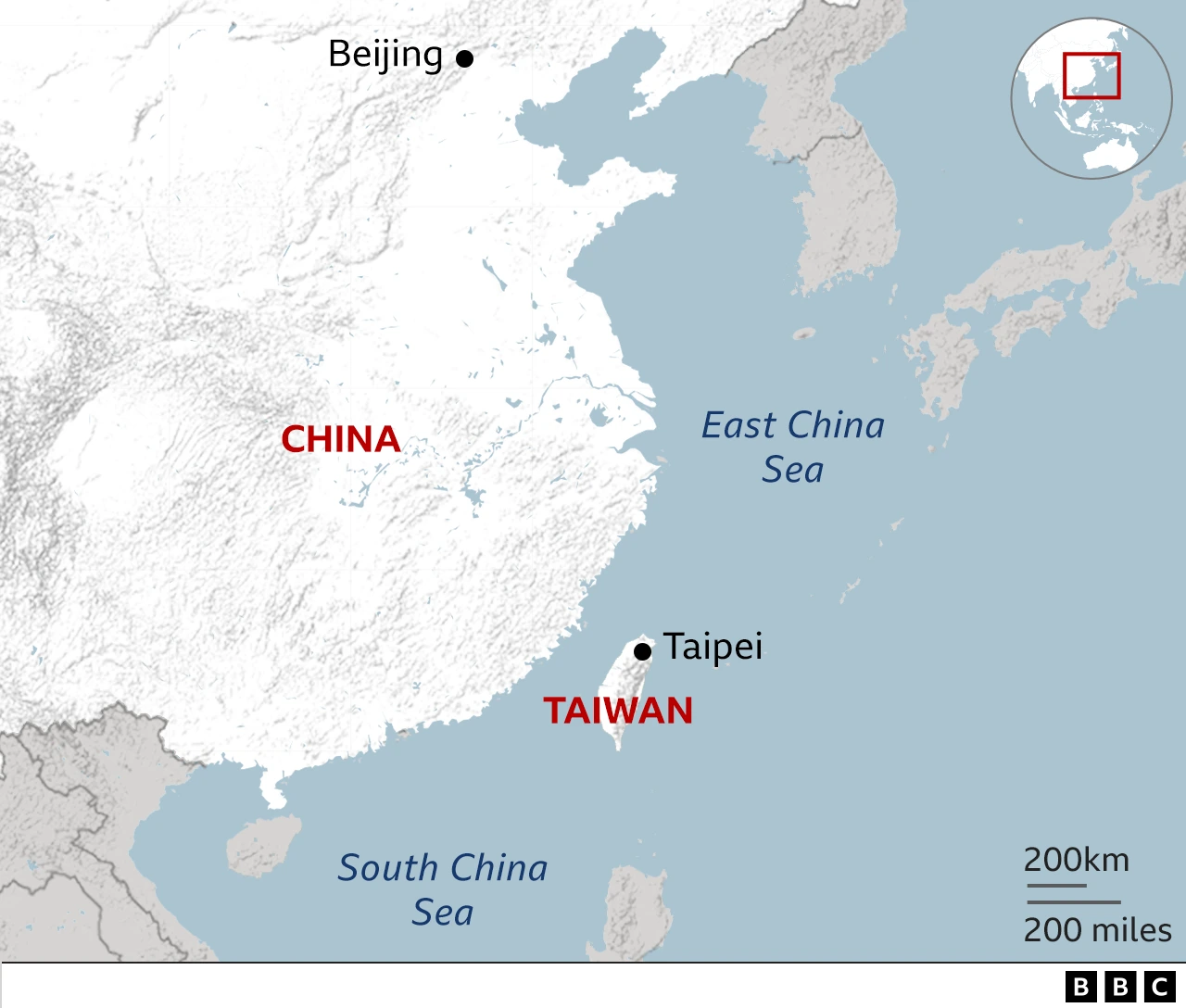
Analysts point out that these measures gain greater relevance in light of China's demographic and economic problems. The aging population and low birth rate reduce recruitment potential, while youth unemployment remains high. The official youth unemployment rate reached 17.9% in July, according to data cited in the report.
The combination of state control, economic pressure, mobility restrictions, and expansion of military powers has generated unease within the Chinese population itself. Comments posted on social media reflect the fear of some citizens that the new legislation is preparing the country for war and facilitating both mandatory recruitment and the confiscation of private property.