
The president Donald Trump will rescind 810 million dollars in federal funds approved by Congress that were to be allocated to programs related to undocumented immigrants and race-centered initiatives. He will do this using a budget maneuver known as "pocket rescission."
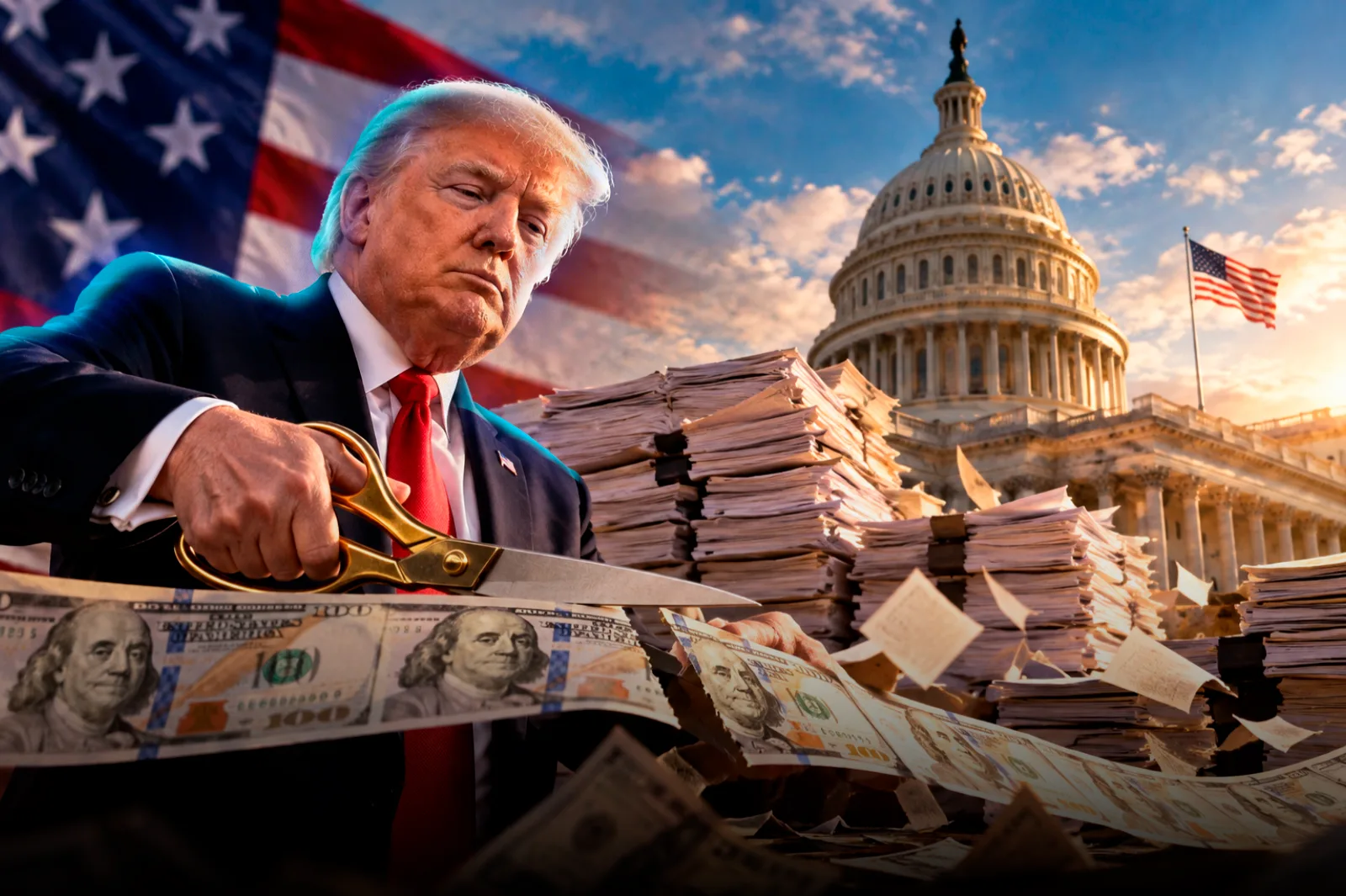
The measure was reported this Friday by the New York Post, and the process is more or less as follows: a rescission is the cancellation of money that Congress has already allocated but that has not yet been spent, and according to the 1974 Impoundment Control Act, the president can request this measure. But if Congress - which has 45 continuous session days to act on the request - does not approve it, then the funds must be spent.
However, the tactic used by the Trump administration focuses on exploiting a temporary legal loophole in this 1974 law and intentionally requesting the rescission when less than 45 days remain in the fiscal year. In this way, Congress does not have the full 45 days to debate before the fiscal year ends, causing the funds to expire and be permanently canceled. With this freeze, it prevents the money from being spent on these leftist programs.
So far, no court has definitively ruled on the legality of this maneuver, popularly known as Pocket Rescission. Trump has already employed this strategy in August 2025 to freeze about 4.9 billion dollars in foreign aid funds, with the White House describing the measure as the first use of the mechanism in nearly 50 years.