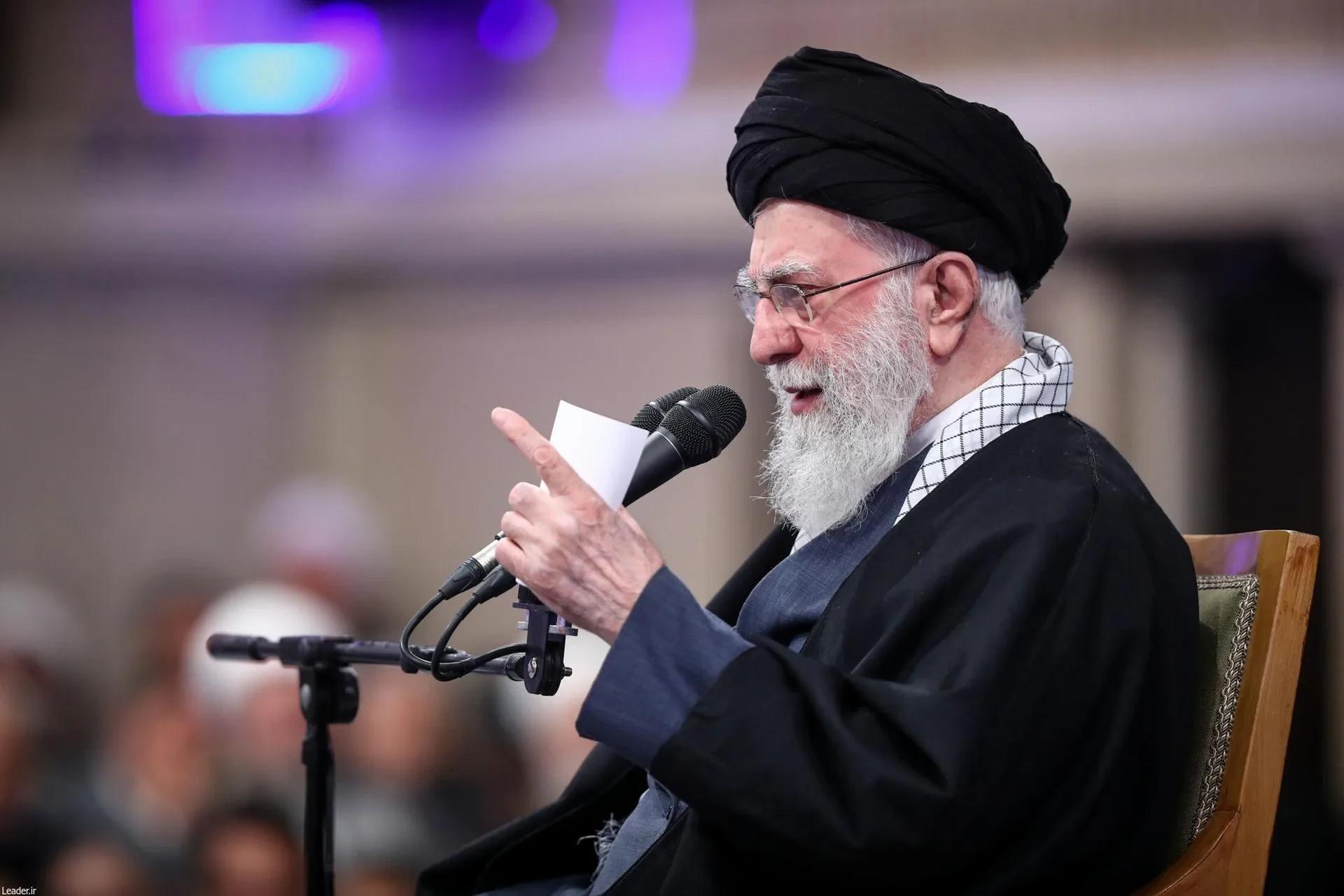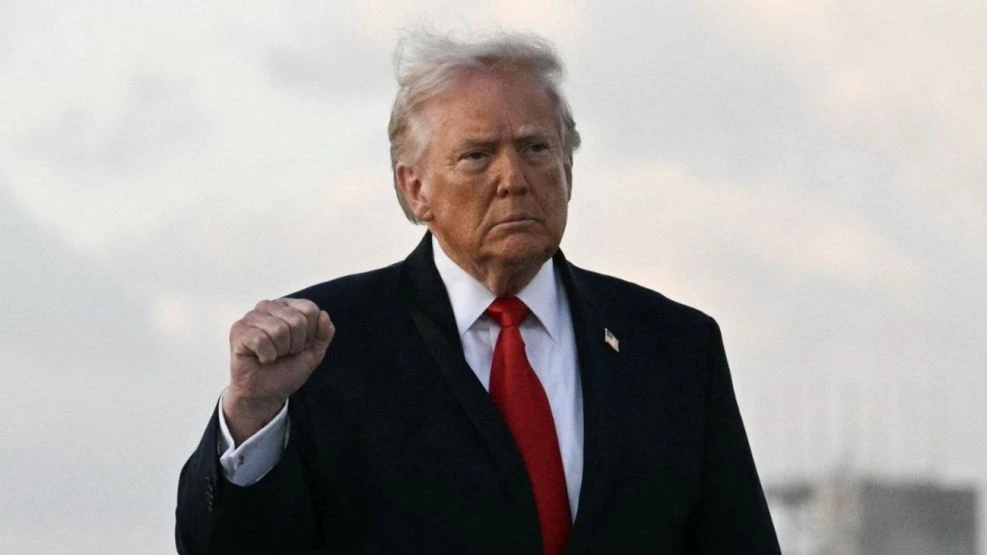
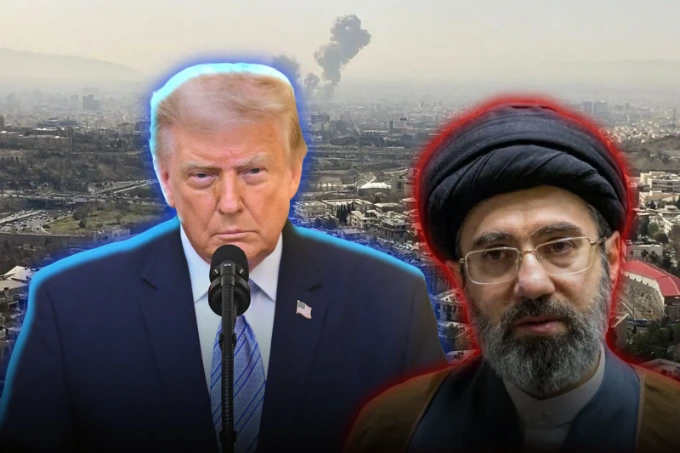

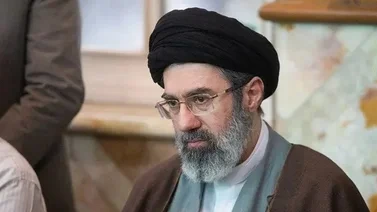
U.S. intelligence agencies believe that Iran's new supreme leader, Ayatollah Mojtaba Jamenei, has a much greater disposition than his father and predecessor, Ali Jamenei, to push for the development of a nuclear weapon. This assessment, shared by U.S. officials familiar with intelligence reports, could become a decisive factor as President Donald Trump considers whether to escalate military action against the Iranian regime.
According to U.S. assessments, Ali Jamenei, who died at the beginning of the war in an Israeli attack backed by U.S. intelligence, had maintained a less aggressive stance than his son regarding the development of a nuclear bomb. Several officials believe that this less hostile position of the former leader was influenced by a religious edict, or fatwa, that limited the use of nuclear weapons.
The situation is believed to have changed with Mojtaba Jamenei's rise to power. U.S. intelligence agencies believe that he and the hardline government that emerged after the removal of numerous Iranian leaders have greater nuclear ambitions. According to U.S. officials, Mojtaba would be interested in developing an advanced nuclear weapon, possibly a thermonuclear warhead that could be miniaturized and eventually mounted on a long-range missile.
This assessment is particularly relevant for the Trump administration, which faces the challenge of preventing the Iranian regime from rebuilding its nuclear capabilities and threatening the United States, Israel, and its allies. From this perspective, the military operations undertaken by Washington have managed, at least temporarily, to halt the advances of the Iranian nuclear program and demonstrate that the United States retains the capability to strike strategic facilities in Tehran.
In June 2025, Trump ordered strikes against three major Iranian nuclear facilities. Stealth B-2 bombers used the largest conventional bombs available in the U.S. Air Force arsenal against Fordo and Natanz, while Tomahawk missiles struck the Isfahan facility. Although Trump initially claimed that the targets had been virtually destroyed, early intelligence assessments were more cautious and estimated that the program had suffered a delay of several months.
Still, U.S. officials maintain that the strikes succeeded in temporarily freezing Iranian nuclear progress. According to assessments, if Tehran had immediately repaired its centrifuges or resumed enrichment elsewhere, the program could have recovered in approximately six months. However, Iran did not immediately reactivate all its facilities or fully resume enrichment activities.
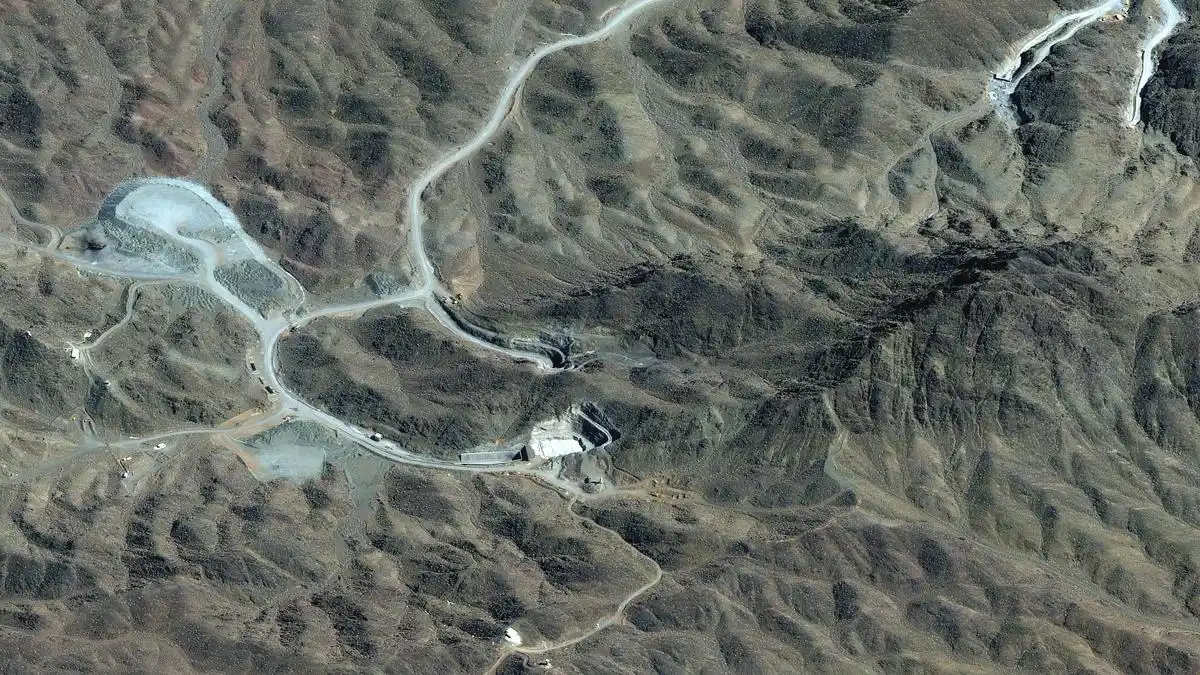
The main concern now focuses on the underground complex known to the United States as ''Pickaxe Mountain''. U.S. officials assert that Iran has moved at least part of its centrifuges to that site, possibly to protect them from new airstrikes. The complex is deeply buried under a mountain and would be much more difficult to destroy with conventional weapons.