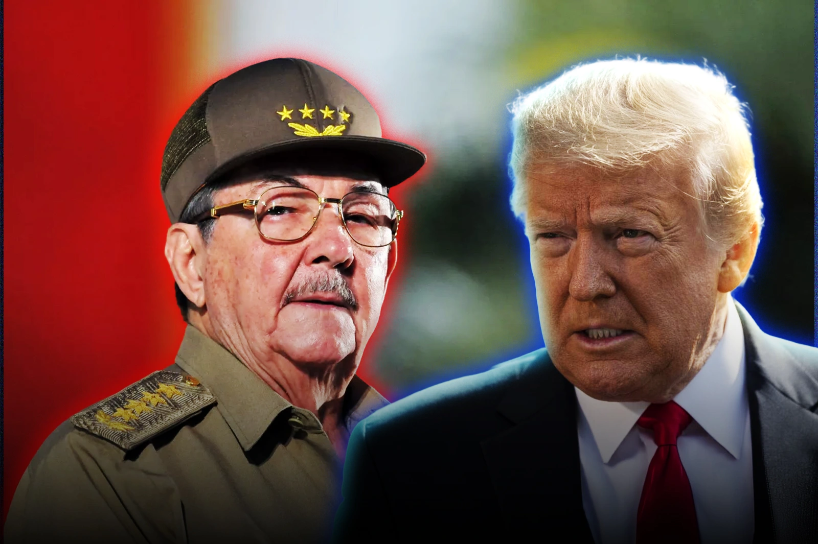
Washington is considering bringing charges against Raúl Castro for the ''Hermanos al Rescate'' case, as political pressure on the Cuban regime increases.
Nuevo
Agregar La Derecha Diario en
Compartir:
The United States is evaluating the possibility of bringing formal charges against former Cuban leader Raúl Castro, 94 years old, in connection with the shooting down of two light aircraft that occurred in 1996, an episode that left four people dead and has marked one of the tensest points in relations between Washington and Havana for decades.
According to U.S. officials, the accusation is being considered by the Department of Justice and would require the approval of a grand jury. The case would focus on the shooting down of two civilian Cessna aircraft operated by the ''Brothers to the Rescue'' group, an organization of Cuban exiles that conducted search flights to locate migrants pursued by the communist dictatorship, who were attempting to cross the Florida Straits in improvised rafts.
On February 24, 1996, the two planes were shot down by a MiG-29 fighter from the Cuban Air Force, resulting in the deaths of the four crew members. The incident generated immediate international condemnation and a severe diplomatic crisis between the United States and Cuba. At that time, U.S. Democratic President Bill Clinton called the attack unacceptable and condemned it in the strongest terms.
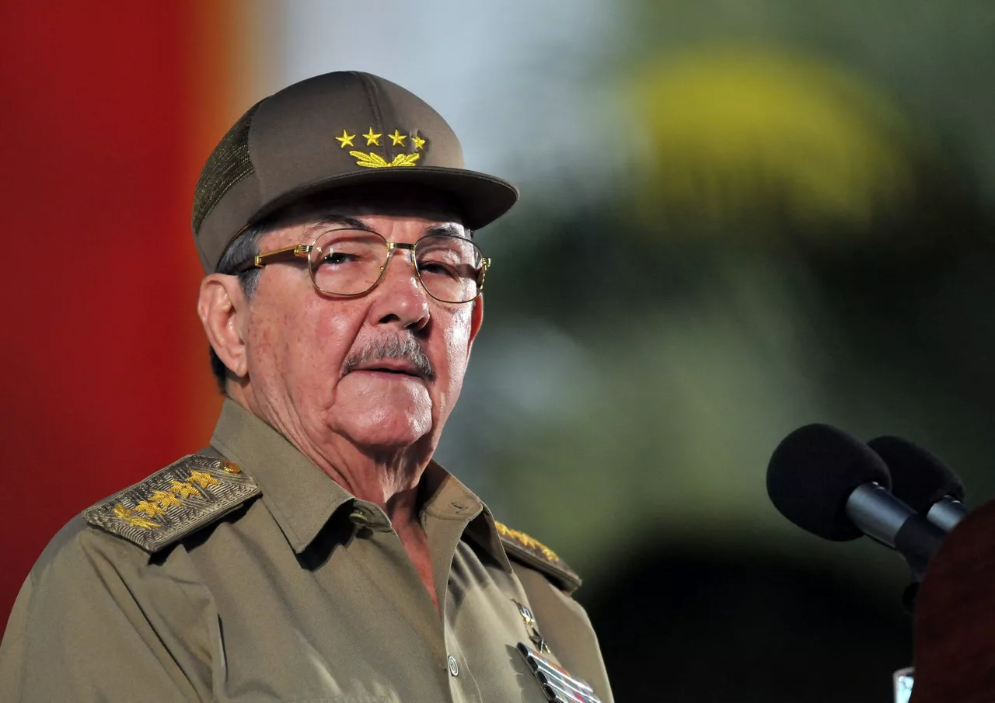
The United States is considering charging Raúl Castro for the downing of two small aircraft in 1996.
A report from the Organization of American States (OAS) later concluded that the aircraft were shot down outside Cuban airspace and that there was no immediate threat that justified the use of lethal force. The document also noted that the action violated basic norms of international law as there was no prior warning or attempt at a less aggressive interception.
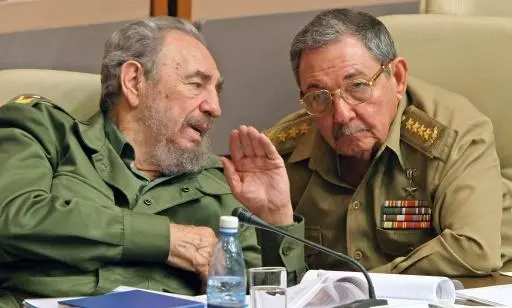
The possible indictment against Raúl Castro reopens a case that has been the subject of political and legal controversy for decades. During the events, Fidel Castro was the dictator of the country and Raúl Castro held the position of head of the Revolutionary Armed Forces, placing him in the military chain of command responsible for the Cuban air response.
The United States has historically maintained that the military decisions of the regime during that period cannot be separated from the political and military leadership of the country. Under this logic, the eventual accusation would seek to establish command responsibilities in an operation that resulted in the deaths of civilians.
During Fidel Castro's dictatorship, Raúl Castro was in charge of the armed forces, being directly responsible for the incident.
For its part, the Cuban government has defended the military action, arguing that the aircraft violated national airspace and represented a potential threat. Fidel Castro stated at the time that the order to intercept was in response to the need to protect the country's sovereignty against incursions that, according to Havana, could be linked to sabotage activities.
However, the Cuban version has been questioned by various international organizations. In addition to the OAS report, multiple independent analyses have pointed out inconsistencies in the justification for the use of lethal force, especially considering that the planes were civilian and unarmed. These conclusions have fueled criticism of the Cuban government's conduct in the incident for years.
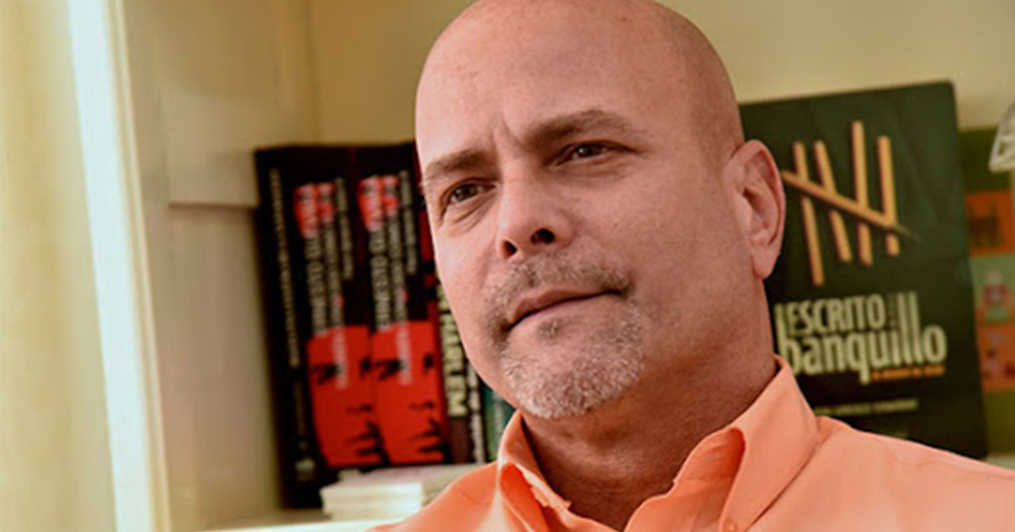
One of those indirectly involved in the case, Gerardo Hernández, was convicted in the United States for conspiracy to commit murder. U.S. authorities identified him as a member of a spy network that allegedly informed Cuban intelligence about the flights of ''Brothers to the Rescue.'' Hernández was sentenced to life in prison, although he was released in 2014 as part of a prisoner exchange between the two countries.
Gerardo Hernández was sentenced to life in prison in the United States, but was later released in a prisoner exchange in 2014.
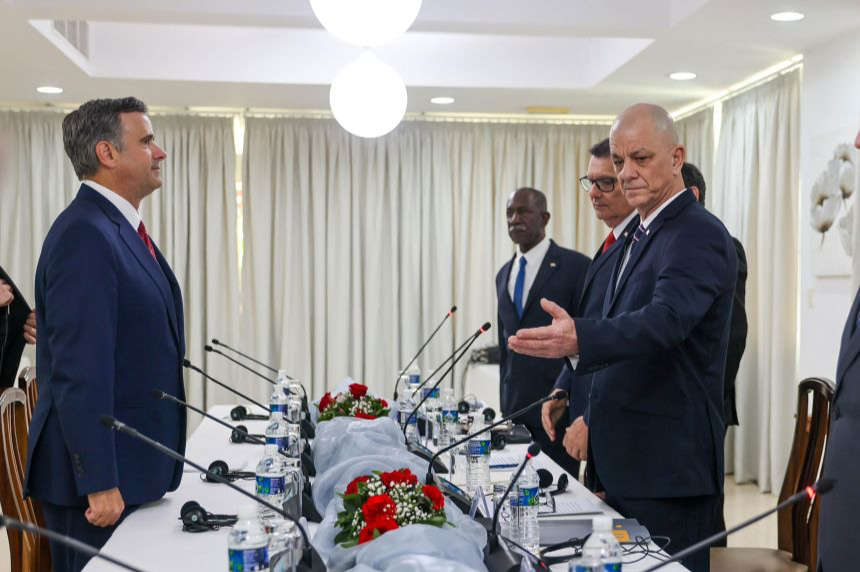
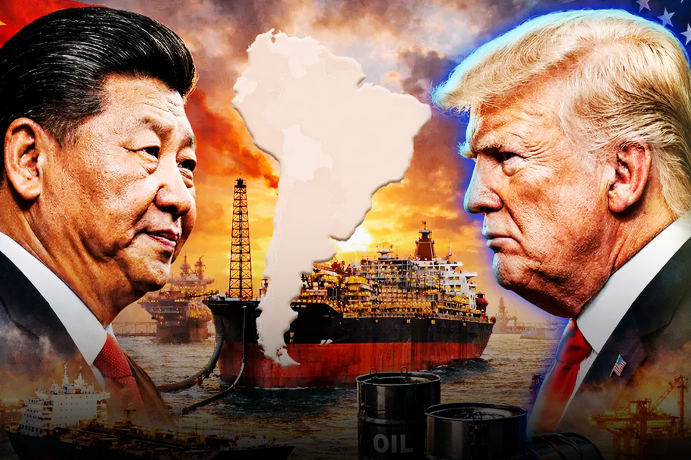
The potential legal action against Raúl Castro is also framed within a context of increased political pressure from Washington on the Cuban government. In recent months, the U.S. administration has hardened its stance towards Havana, including stricter economic measures and warnings to third countries that maintain energy trade with the island.
These policies have contributed to worsening Cuba's already delicate economic situation, which faces fuel shortages, supply difficulties, and a prolonged energy crisis. Washington, for its part, maintains that the responsibility lies with the Cuban political system itself, which it accuses of limiting the country's economic and political freedoms.
The possible prosecution of Raúl Castro also revives the debate on accountability in authoritarian regimes. For decades, the Cuban regime has been criticized for concentrating political and military power in a small circle of leaders, without independent and democratic mechanisms for judicial oversight or institutional control.
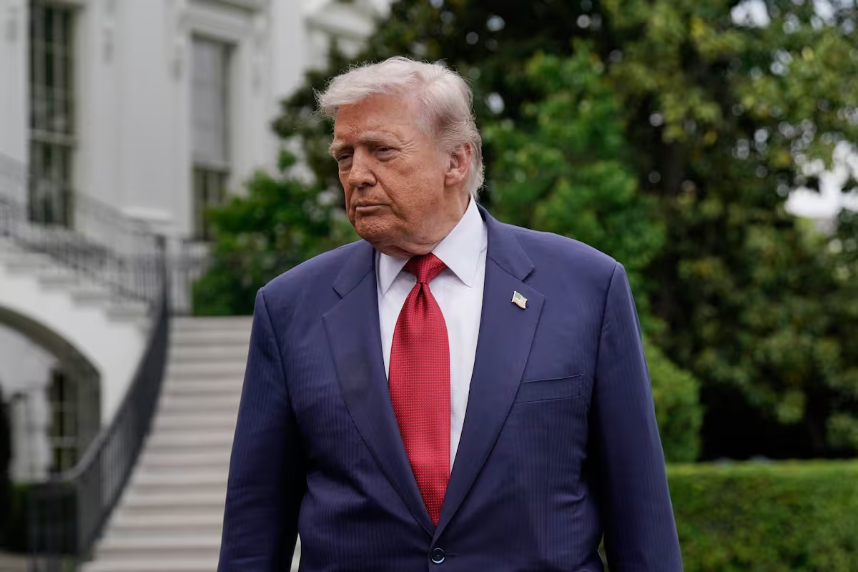
The Trump administration has extensively increased pressure against the Cuban dictatorship and plans to bring Castro to justice.
The political debate has also intensified in the United States, especially in the state of Florida, where sectors of the Cuban exile community have pressured for years to bring those responsible for the incident to justice. Republican lawmakers have publicly supported the initiative, arguing that it is a case of justice pending for almost three decades.
The Cuban government has not issued an official response regarding the possible accusation. On previous occasions, Havana has rejected such initiatives, labeling them as politically motivated and aimed at increasing international pressure against the country.