Federal investigations and the dispute over voter rolls reignite criticism of Gavin Newsom's electoral policies
Nuevo
Agregar La Derecha Diario en
Compartir:
Federal investigations into potential electoral fraud in California are advancing ahead of the 2026 legislative elections and could lead to new criminal charges, as confirmed by Bill Essayli, acting federal prosecutor for the Central District of California. The investigations are part of a broader offensive driven by the administration of President Donald Trump to reinforce electoral integrity and increase public confidence in the U.S. voting system.
In statements made on June 9, Essayli stated that there are ongoing investigations related to possible electoral irregularities and expressed hope that some of them would result in legal proceedings. Although he avoided providing specific details due to legal restrictions on open cases, he noted that federal authorities would follow the evidence ''wherever it leads.''
The prosecutor acknowledged that electoral fraud is often difficult to detect and even more complicated to prove in court. However, he insisted that the investigations are based on concrete evidence and not mere speculation or political theories.
Attention has particularly focused on California, a state that has maintained one of the most controversial electoral systems in the country for years. Under current rules, all registered voters automatically receive a mail-in ballot and can return it even several days after election day, as long as they meet certain legal requirements.
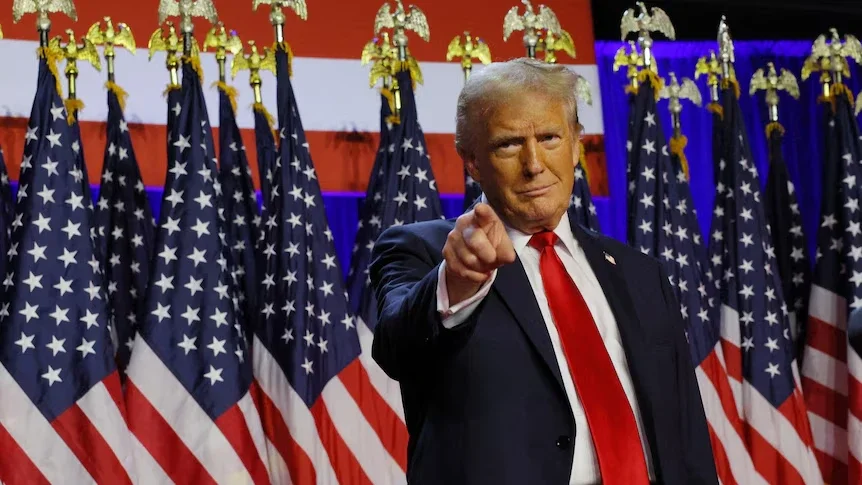
The Trump administration is moving forward with a formal investigation to combat electoral fraud in California following irregularities in California
According to Essayli, this model creates significant transparency issues and makes it difficult to accurately know the outcome of an election on election night. The prosecutor argued that the combination of millions of mail-in ballots and the long timelines for receipt and counting contributes to fueling skepticism among a significant portion of the population.
Criticism of the system resurfaced during the recent primary elections, when hundreds of thousands of votes remained pending processing several days after the polls closed. According to official data, more than 538,000 ballots remained uncounted as of June 11.
The situation raised questions from some Republican candidates and conservative sectors, especially after several preliminary results changed as the counting of mail-in votes progressed. Among the most discussed cases was the reduction of the initial lead of the Republican gubernatorial candidate Steve Hilton and the elimination of the Los Angeles mayoral candidate Spencer Pratt, as votes cast on later dates were added.
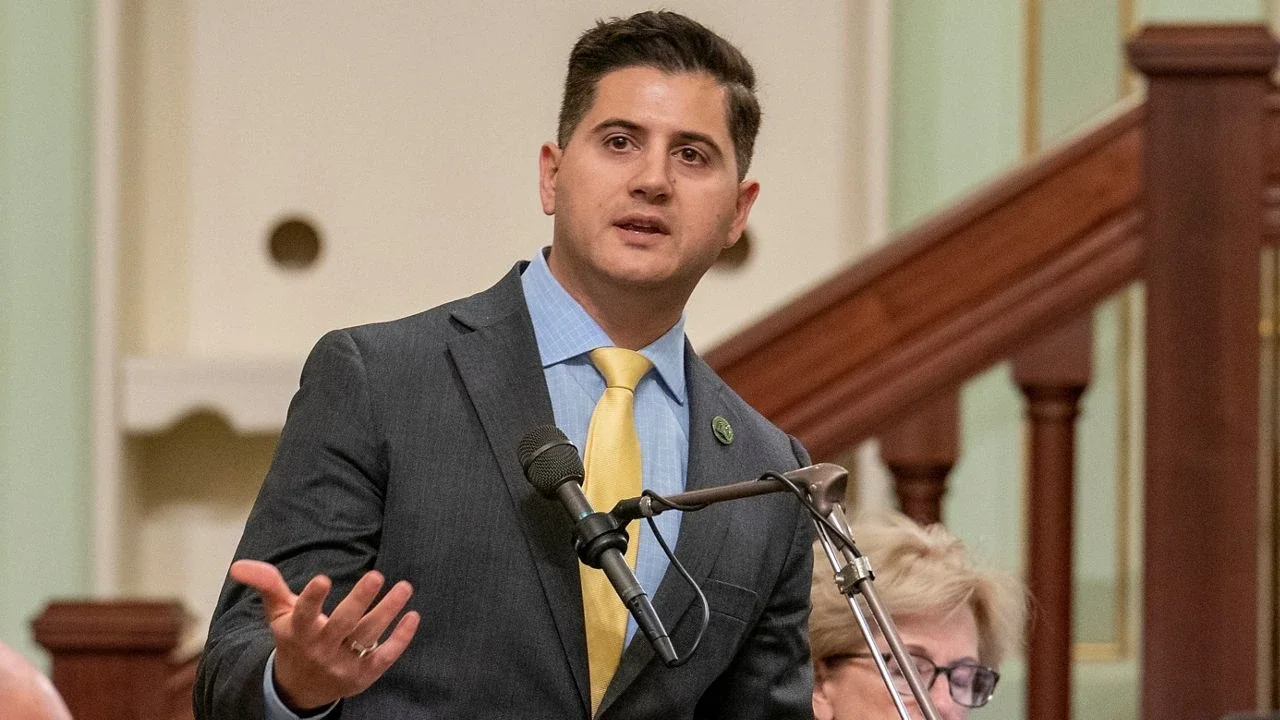
One of the most striking cases was the surprising reduction in the electoral lead that Republican candidate Steve Hilton experienced during the primary elections
President Donald Trump has repeatedly criticized these delays in the electoral counting. The president argues that results should be known more quickly and has contended that prolonged processes undermine citizens' trust in democratic institutions.
The Republican administration has made electoral oversight one of its priorities. Since being appointed acting federal prosecutor in April 2025 by then Attorney General Pam Bondi, Essayli has pushed various initiatives aimed at detecting irregularities and strengthening oversight mechanisms.
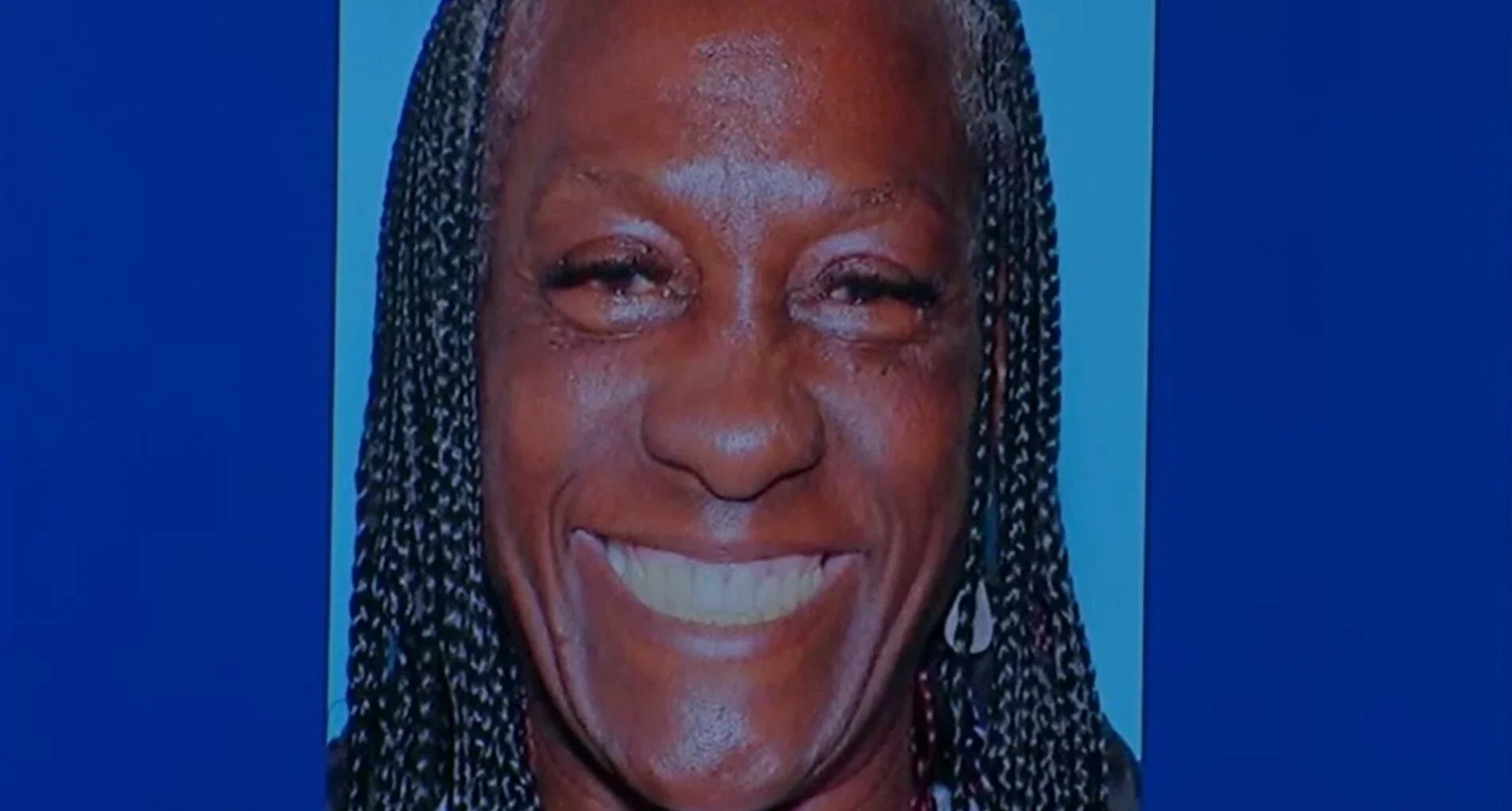
So far, the investigations have already produced concrete results. One of the most relevant cases involved Brenda Lee Brown Armstrong, 64, who pleaded guilty after being accused of paying homeless individuals to register as voters using false addresses in Los Angeles. Federal authorities argue that such practices undermine public trust in elections and demonstrate the need for constant vigilance.
A woman pleaded guilty to committing election fraud in California by registering thousands of people to vote with false addresses
As part of the offensive against electoral fraud, Essayli's office launched a new tip line aimed at receiving information from the public about possible crimes related to voter registration, casting ballots, or any other electoral irregularity.
Another point of contention is the legal dispute between the Department of Justice and California state authorities over access to electoral records. The federal government seeks to audit the voter rolls to verify the identity and eligibility of registered voters, while state authorities have refused to provide certain information citing privacy concerns.
Essayli accused California of obstructing federal oversight efforts and claimed that state authorities have refused to fully comply with various information requests. According to the prosecutor, audits are necessary to ensure that only legally eligible U.S. citizens participate in federal elections.
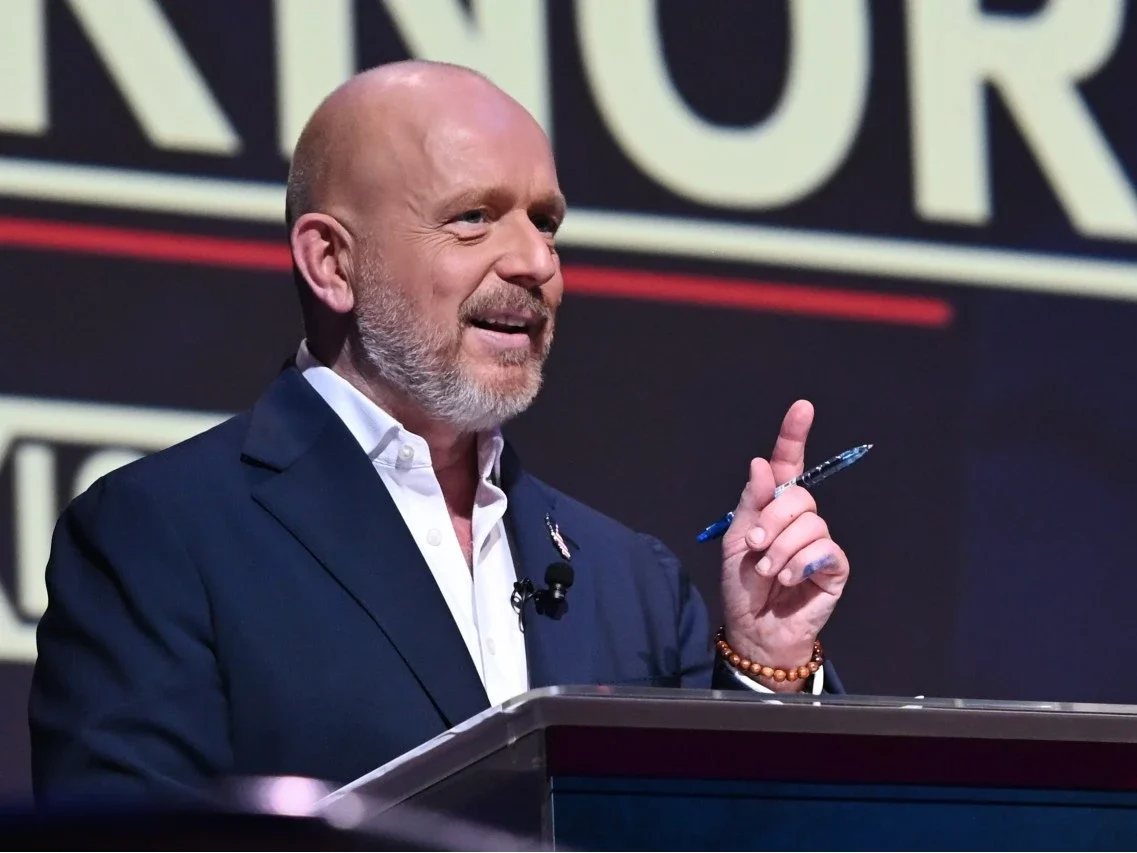
Bill Essayli announced new measures and reporting lines in response to suspicious acts of electoral fraud
The debate also involves voter identification policies. Essayli questioned the criteria used by California to verify the identity of those registering to vote and argued that some current mechanisms may be insufficient to prevent errors or improper registrations.
Critics of Democratic Governor Gavin Newsom argue that the policies promoted by the state administration have prioritized expanding access to voting over electoral security. They contend that the resistance to federal audits and the refusal to provide certain records fuel doubts about the transparency of the system.