The Government of Donald Trump formally notified the International Criminal Court (ICC) that it does not recognize its jurisdiction over U.S. citizens and that it will not cooperate with any investigation or proceedings initiated by that international court. The position was expressed in a letter sent this week to the organization based in The Hague.
The document was signed by the acting attorney general, Todd Blanche, and addressed to the president of the ICC, Judge Tomoko Akane.
There, the U.S. Department of Justice asserts that any attempt by the Court to exercise authority over citizens of the country constitutes a violation of its sovereignty.
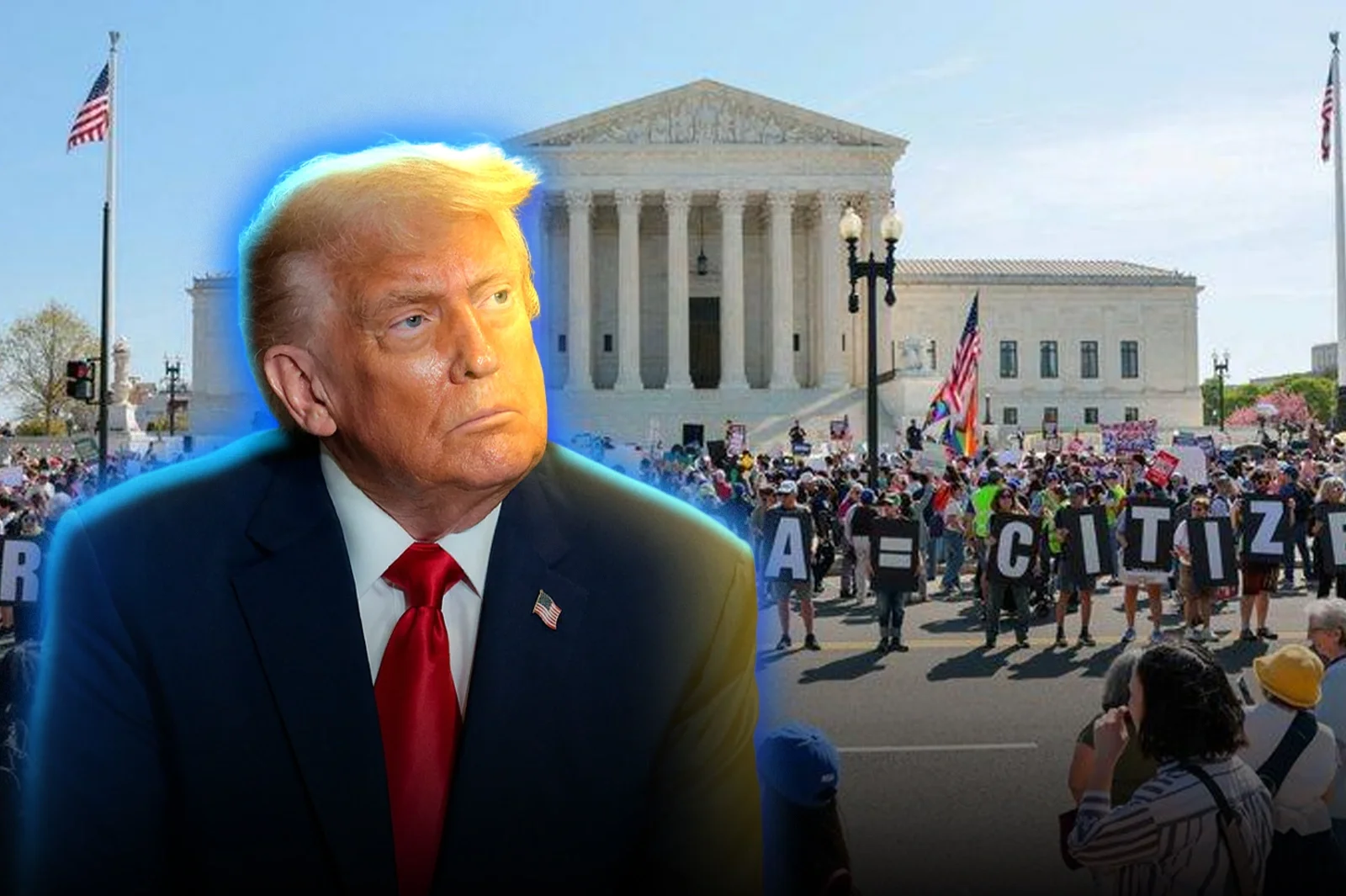
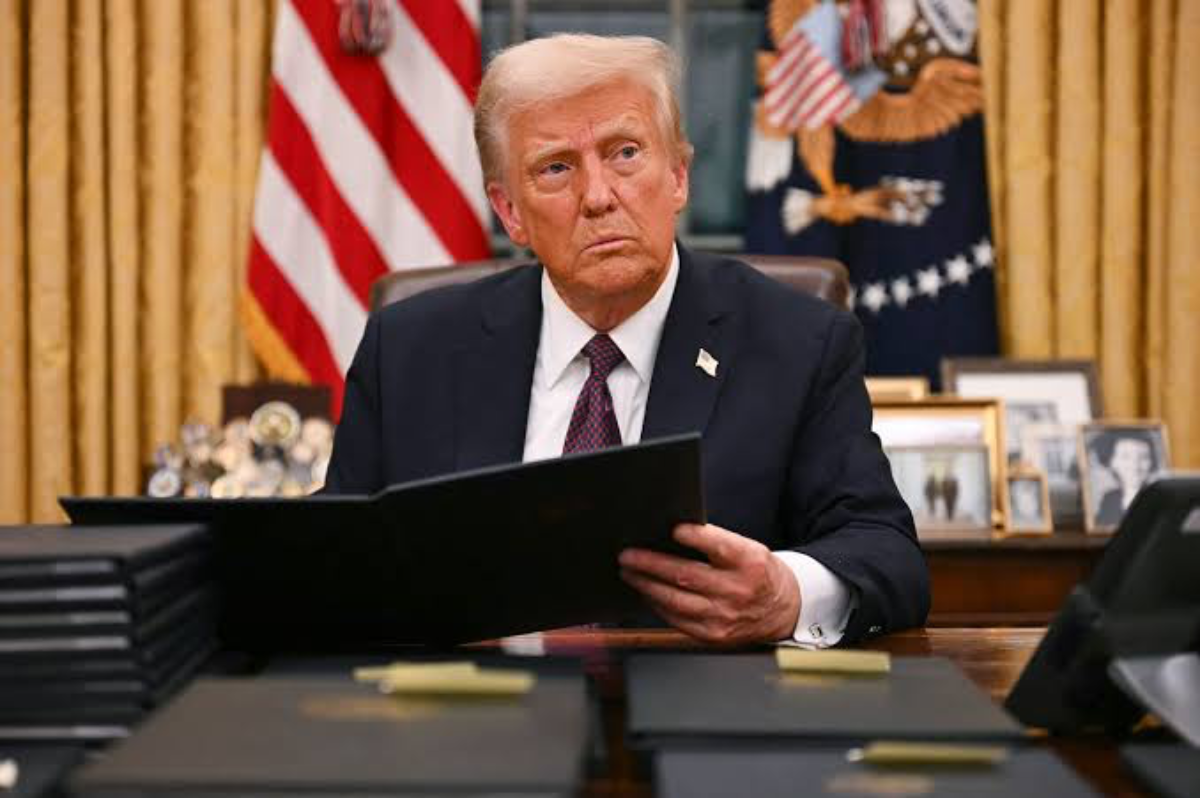
President Donald Trump
“The United States is not a party to the Rome Statute and has never consented to the authority of the ICC. Under international law, a treaty cannot bind a country that has not ratified it. Therefore, the ICC has no jurisdiction over Americans —anywhere in the world— and any attempt to exercise such authority is illegitimate, illegal, and a direct affront to the sovereignty of the United States,” the letter states.
In this context, the U.S. administration questioned the functioning of the international court and cast doubt on its impartiality.
“The ICC has acted increasingly illegally and illegitimately,” wrote Blanche, who also warned that there are “credible allegations of internal misconduct” that affect the credibility of the organization.
He expressed that the Court's history of selective law enforcement “raises serious doubts about the impartiality, credibility, and legitimacy of the ICC.”
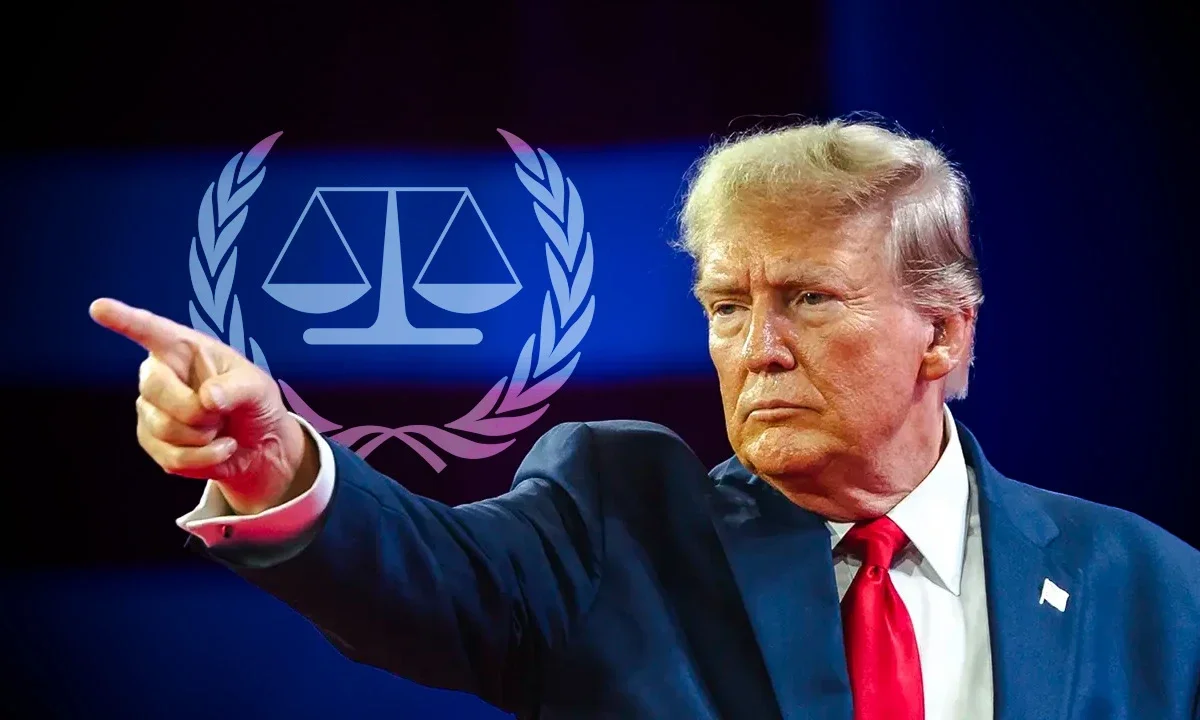
President Donald Trump
Legislative Background
The official positioning is also supported by legislative background. In 2002, the U.S. Congress passed the American Service Members Protection Act, which expressly rejects the ICC's jurisdiction over citizens of the country, including military personnel, officials, and civilians.
This regulation prohibits cooperation with the court and authorizes the president to use all necessary means to ensure the release of any American detained under the Court's orders.
From this stance, the Department of Justice made it clear that it will not cooperate with any instance related to the ICC. This includes investigations, subpoenas, extraditions, or any other type of proceedings involving U.S. citizens.
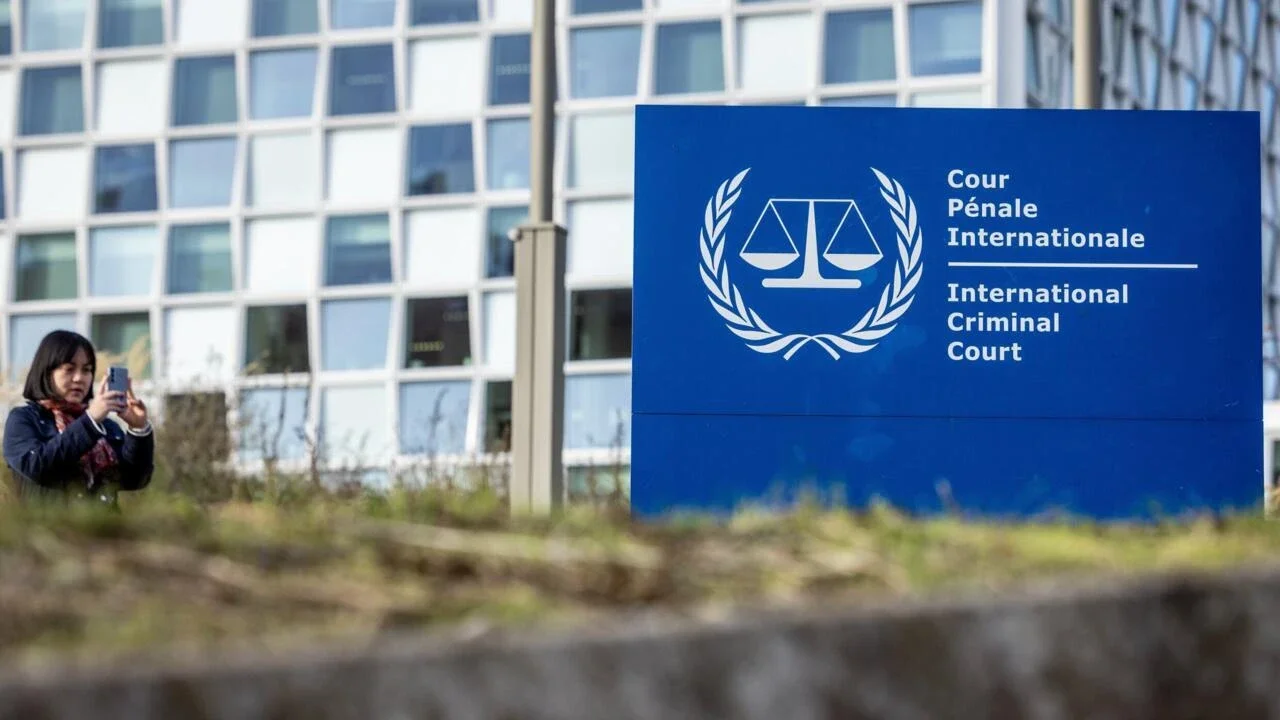
Headquarters of the International Criminal Court
Furthermore, it warned that it will oppose any attempts by third countries to transfer individuals to the jurisdiction of the international court.
“The Department of Justice is fully committed to defending the sovereignty of our nation and protecting the rights of U.S. citizens against illegitimate international overreach,” the letter continues. In this regard, the text emphasizes that the U.S. judicial system is autonomous and should not be subordinated to external bodies.
“Our Constitution —the supreme law of the land— grants the judicial power of the United States to its own courts, and our legal system is the envy of the world. The United States will not subordinate the freedom and security of its people to a foreign court in The Hague, without accountability to any electorate or respect for the Constitution,” the document concludes.
With this official communication, the Trump administration reaffirms its historical rejection of the International Criminal Court and consolidates a policy of non-recognition of its authority, in defense of the legal sovereignty of the country.