The republican government tightens border and health controls following the outbreak in Africa and a confirmed case in a U.S. citizen.
Nuevo
Agregar La Derecha Diario en
Compartir:
The United States intensified its health and border control measures on Monday in response to the expansion of an Ebola outbreak in Central Africa, following the confirmation of an infection in an American citizen who was exposed to the virus while working in the Democratic Republic of the Congo. The World Health Organization (WHO) declared the situation a public health emergency of international concern, which activated a coordinated response among U.S. agencies and international organizations.
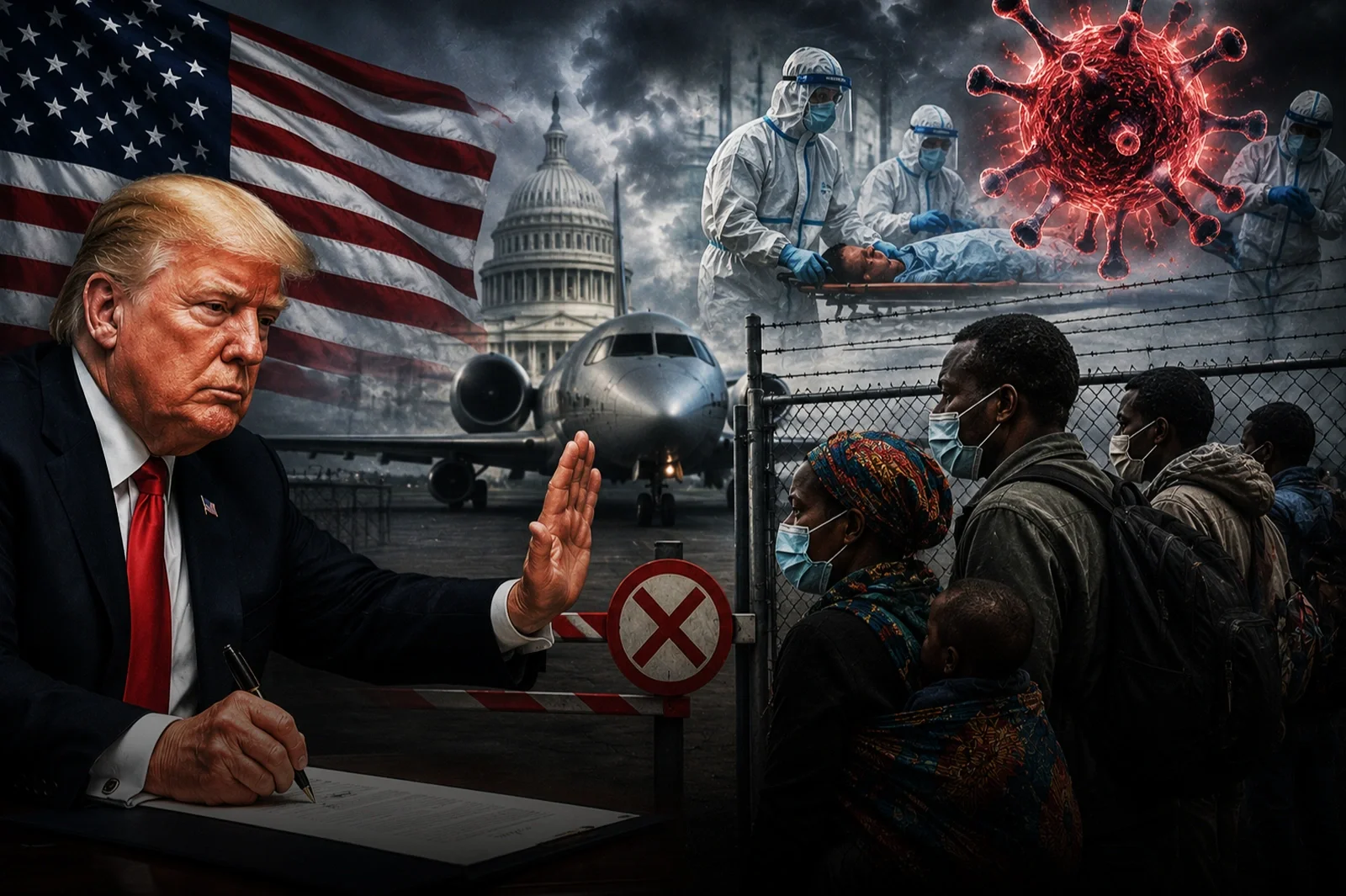
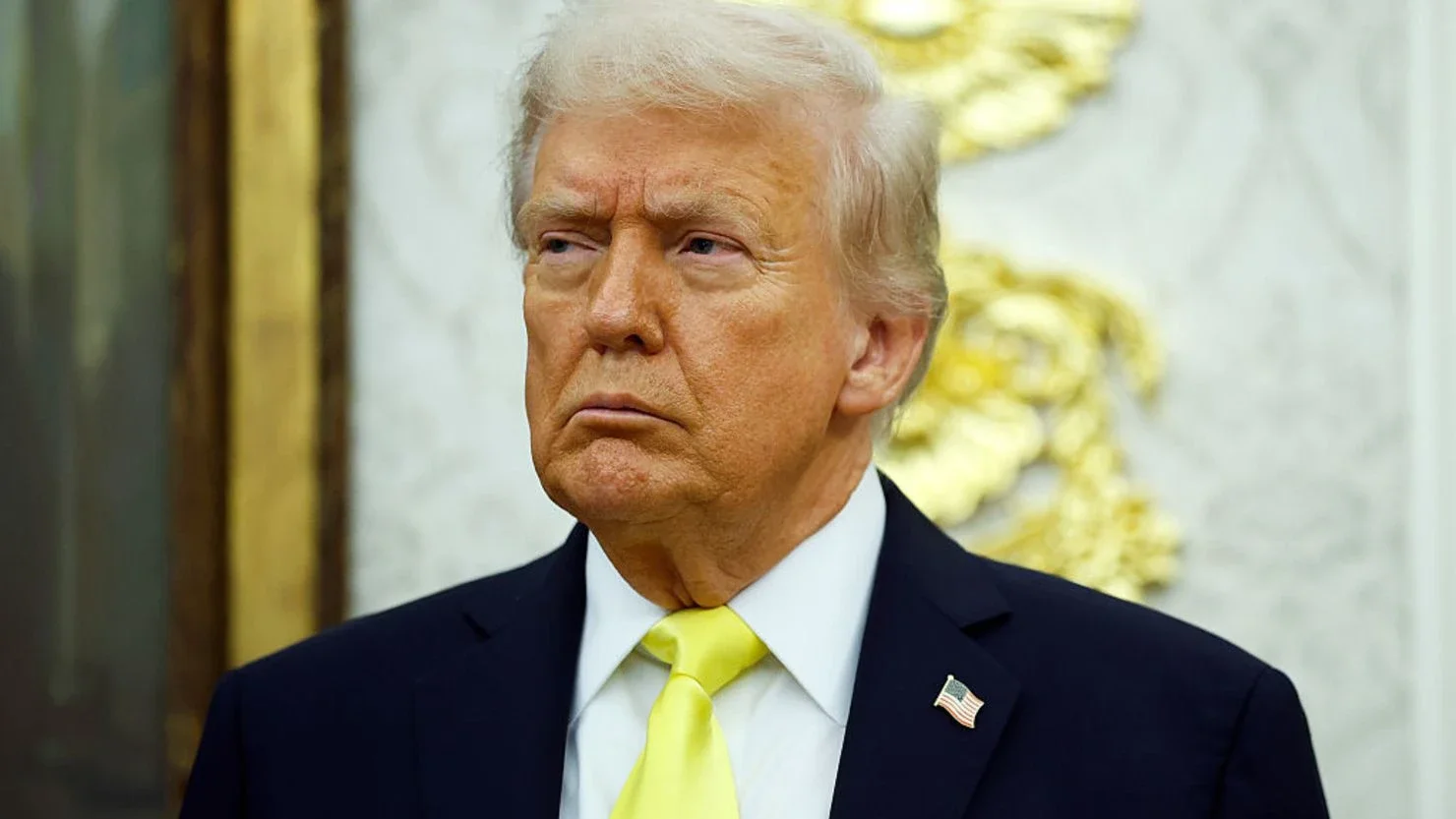
The government of President Donald Trump ordered the Centers for Disease Control and Prevention (CDC) to implement temporary entry restrictions for non-U.S. citizens who have traveled in the last 21 days to the Democratic Republic of the Congo, Uganda, or South Sudan. The measure was adopted under Title 42 of the public health law and will have an initial duration of 30 days, with exceptions for diplomatic and military personnel and their families.
The decision was presented by the administration as a preventive action for national health security, aimed at reducing the risk of virus spread within U.S. territory. In parallel, the U.S. embassy in Kampala suspended visa services temporarily, while protocols for applicants from affected regions are being reviewed.
The Trump administration determined the ban on entry for foreign citizens who have visited the African countries affected by the virus in the last 3 weeks.
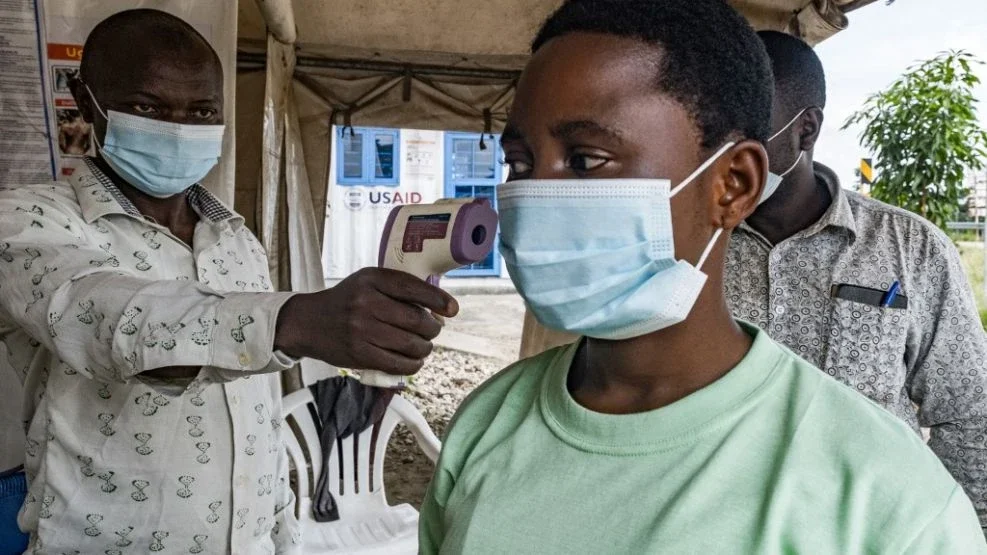
The CDC also strengthened coordination with international airlines and airport authorities to identify potentially exposed passengers. Additionally, contact tracing systems, symptom detection, and hospital preparedness were intensified at points of entry into the country.
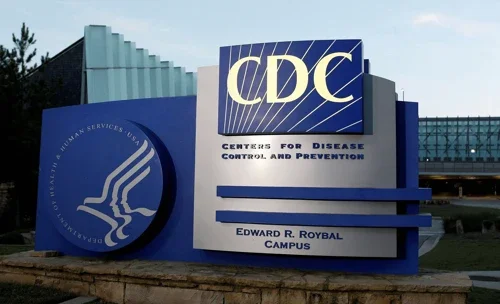
Dr. Satish Pillai, who is responsible for the Ebola response within the CDC, confirmed that the detected case involves a healthcare worker who began showing symptoms over the weekend and tested positive on Sunday night. The patient is being prepared for transfer to Germany for specialized treatment, while six other close contacts will be evacuated for medical observation.
Currently, about 25 CDC workers remain deployed in the Democratic Republic of the Congo, where the outbreak is concentrated. The agency is also evaluating the dispatch of an additional technical coordinator to strengthen the on-ground response and improve epidemiological surveillance.
Despite the tightening of measures, the CDC emphasized that the immediate risk to the general population in the United States remains low, although they warned that the situation is being continuously monitored and that restrictions could be adjusted based on the evolution of the outbreak.
While the CDC confirmed that the risk of contagion within the U.S. population remains low, the situation is still being closely monitored.
The epicenter of the crisis is located in the health zones of Mongwalu and Rwampara, in northeastern Congo, regions with high population mobility and close to the borders with Uganda and South Sudan. According to Congolese Health Minister Samuel-Roger Kamba, around 91 deaths associated with approximately 350 suspected cases are under investigation. The WHO, for its part, has recorded at least 88 confirmed deaths.
The majority of cases are concentrated in people aged between 20 and 39 years, with an incidence exceeding 60% in women. Outside of Congo, Uganda has confirmed two cases in Kampala, including one fatal, and South Sudan has reported one infection in Western Equatoria state. Health authorities warn that there is no fully effective vaccine or specific treatment against the involved strain, complicating containment efforts.
From Washington, the Trump administration defended its approach as a rapid containment strategy based on border control, epidemiological surveillance, and early intervention. Government officials noted that the goal is to prevent the entry of the virus into the country while supporting the international response at the outbreak's epicenter.
In the Congo, more than 91 deaths have already been reported, and most cases occur in people between the ages of 20 and 39.