Washington imposed immigration restrictions on officials and businessmen from Bolivia, Colombia, Ecuador, and Peru due to alleged links to corruption and drug trafficking
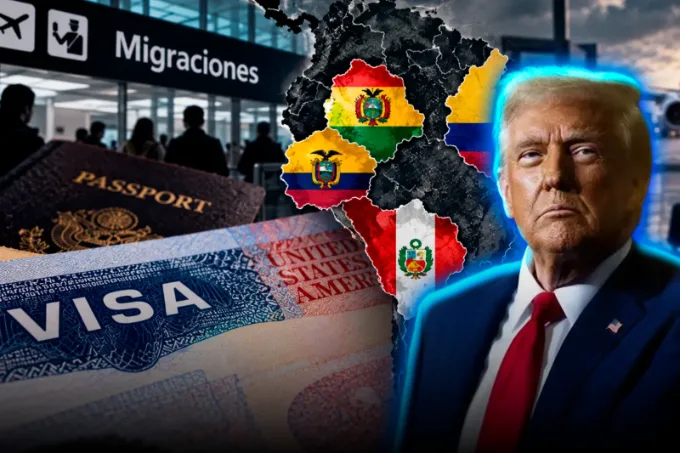
The United States announced on Monday the revocation or restriction of visas for officials, judges, prosecutors, and businessmen from Bolivia, Colombia, Ecuador, and Peru, as part of a new policy from the Donald Trump administration aimed at foreigners whom Washington accused of using corruption or drug trafficking to undermine democratically elected governments.
The measure affects 27 individuals and their immediate family members and was presented by the State Department as a tool to protect the rule of law and strengthen the fight against drug trafficking in Latin America. Washington indicated that the restrictions are applied under section 212(a)(3)(C) of the Immigration and Nationality Act, which allows the denial of entry to foreigners when their activities may have adverse consequences for U.S. foreign policy.
''Corrupt foreign officials can no longer enter the United States freely,'' stated the State Department when announcing the measures. The agency explained that the policy aims to act against individuals who, according to information available to Washington, ''undermine a democratically elected government through corruption or drug trafficking activities.''
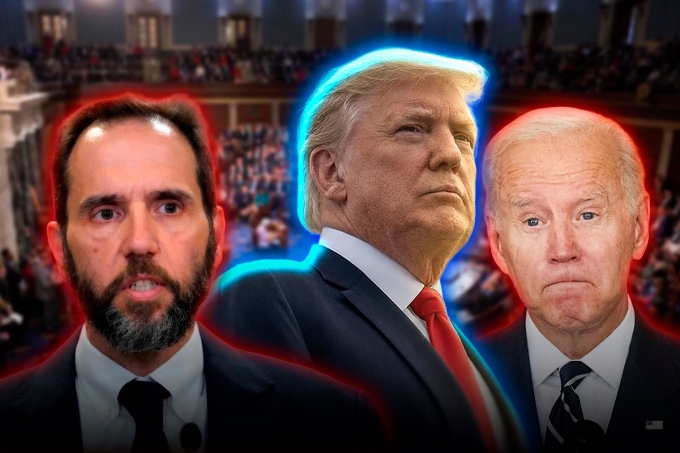
The administration of Donald Trump revoked the visas of officials from four Latin American countries for actions related to collaboration with drug trafficking
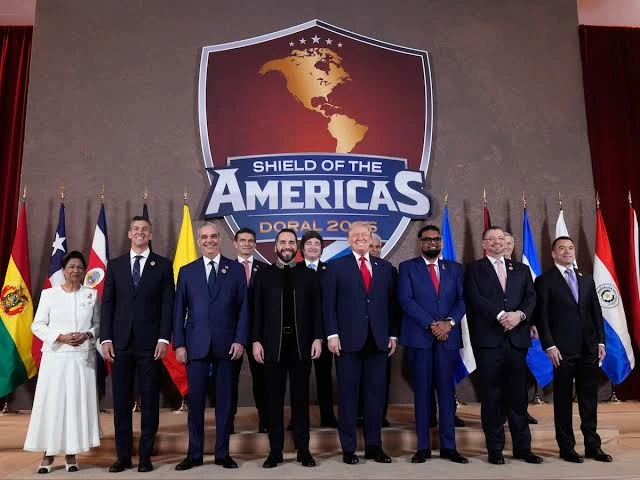
The decision is also part of the so-called Shield of the Americas, an initiative promoted by the Trump administration to enhance regional cooperation against organized crime, drug trafficking, and other security threats. The United States maintains that participating countries seek to coordinate sanctions, designations, and financial mechanisms against individuals and organizations that affect security, the rule of law, and democratic institutions in the region.
''Undermining a democratically elected government is a threat to security and the rule of law in the Americas and will not be tolerated,'' noted the State Department.
Bolivia has the highest number of affected individuals. The United States revoked valid visas for 12 Bolivian citizens and their families, while another nine are generally barred from obtaining a visa if they apply in the future. Among those sanctioned are prosecutors, judges, magistrates, a police colonel, former officials, and a businessman.
The decision of the Republican administration was made in the context of the Americas Shield cooperation agreement
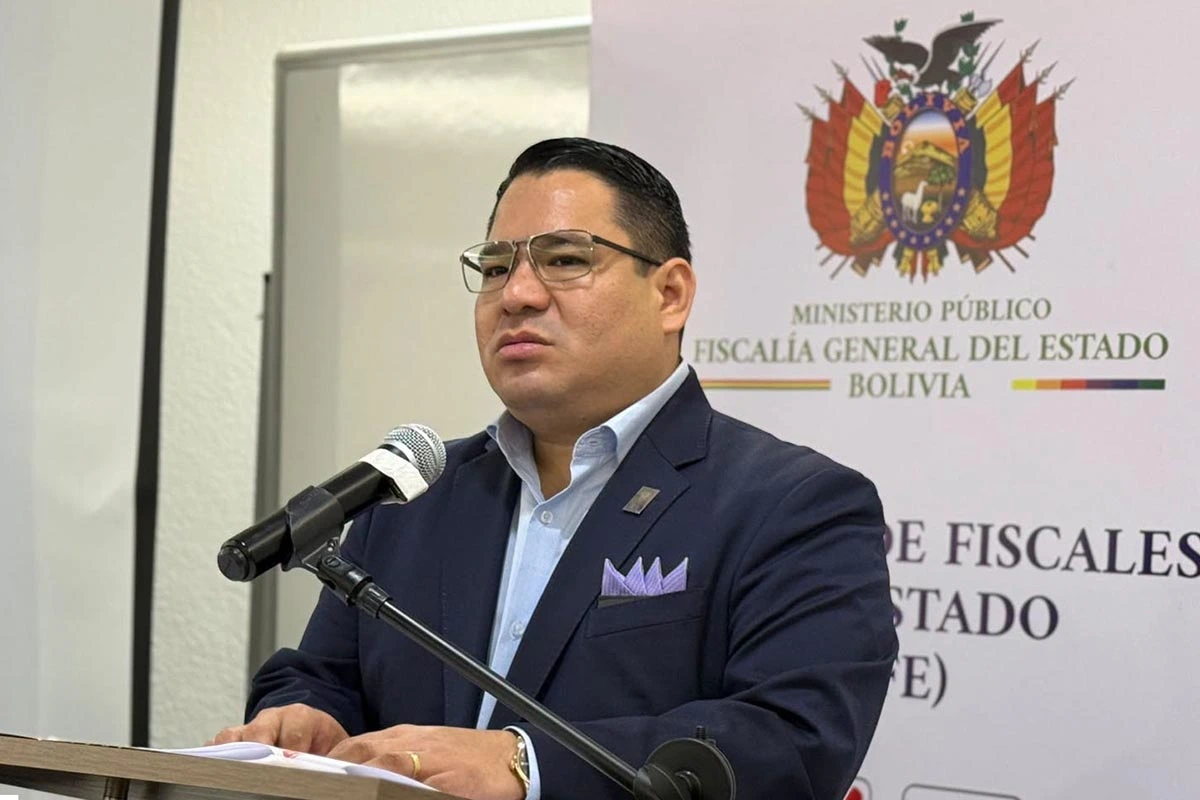
The most notable case is that of Bolivian Attorney General Roger Mariaca, who was also publicly designated under a specific provision of U.S. legislation. The State Department accuses him of having abused his position by requesting and accepting bribes intended to facilitate drug trafficking activities and helping violent criminals evade justice.
Washington stated that the actions attributed to Mariaca jeopardize President Trump's efforts to combat narcoterrorism and weaken the democratic institutions that Bolivia, as a member of the Shield of the Americas, committed to strengthening. The measure renders Mariaca and his immediate family generally ineligible to enter the United States.
The designation was made under section 7031(c) of U.S. legislation regarding appropriations for national security and international affairs. This provision allows the Secretary of State to impose immigration restrictions on foreign officials when there is credible information about their alleged involvement in significant corruption or serious human rights violations.
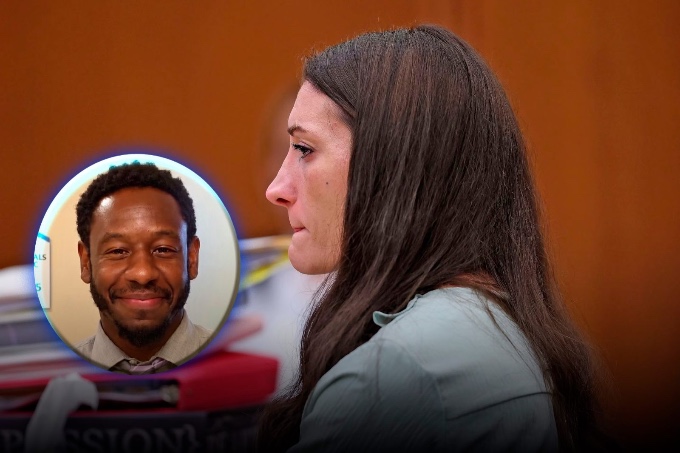
The Attorney General of Bolivia, Roger Mariaca, was one of the main targets of U.S. sanctions
In Colombia, the restrictions affected businessman Euclides Antonio Torres Romero and Senator Martha Isabel Peralta Epieyú, along with their immediate family members. Torres leads a conglomerate with activities in sectors such as energy, road signage, and public lighting, while Peralta is part of the Historical Pact and the Alternative Indigenous and Social Movement.
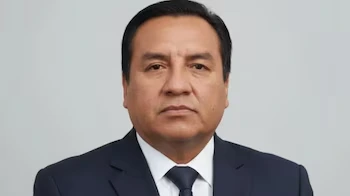
In Peru, Washington revoked the visa of Judge Juan Carlos Núñez Matos from the First Constitutional Circuit of Lima, along with measures for his immediate family. In Ecuador, two citizens were included in the operation, although the State Department did not publicly disclose their names.
The Trump administration presented the restrictions as a permanent enforcement mechanism that will allow for quick action when new evidence arises and coordinate measures with allied governments. The strategy thus expands the use of U.S. immigration tools as an instrument against officials and foreign actors identified for corruption and ties to organized crime.
Peruvian judge Juan Carlos Nuñez Matos was also harshly sanctioned by the Trump administration