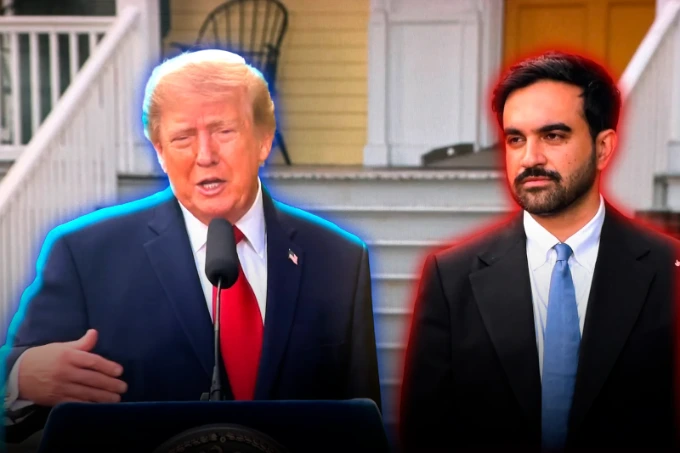
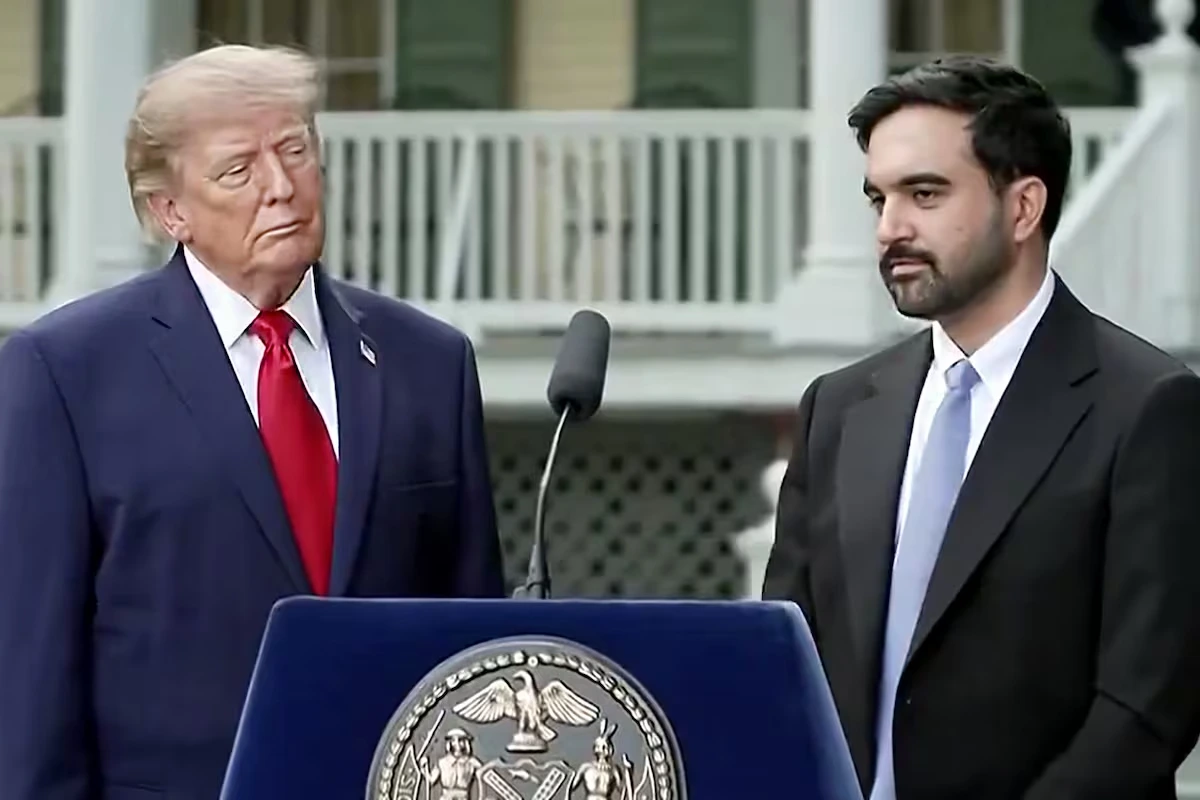
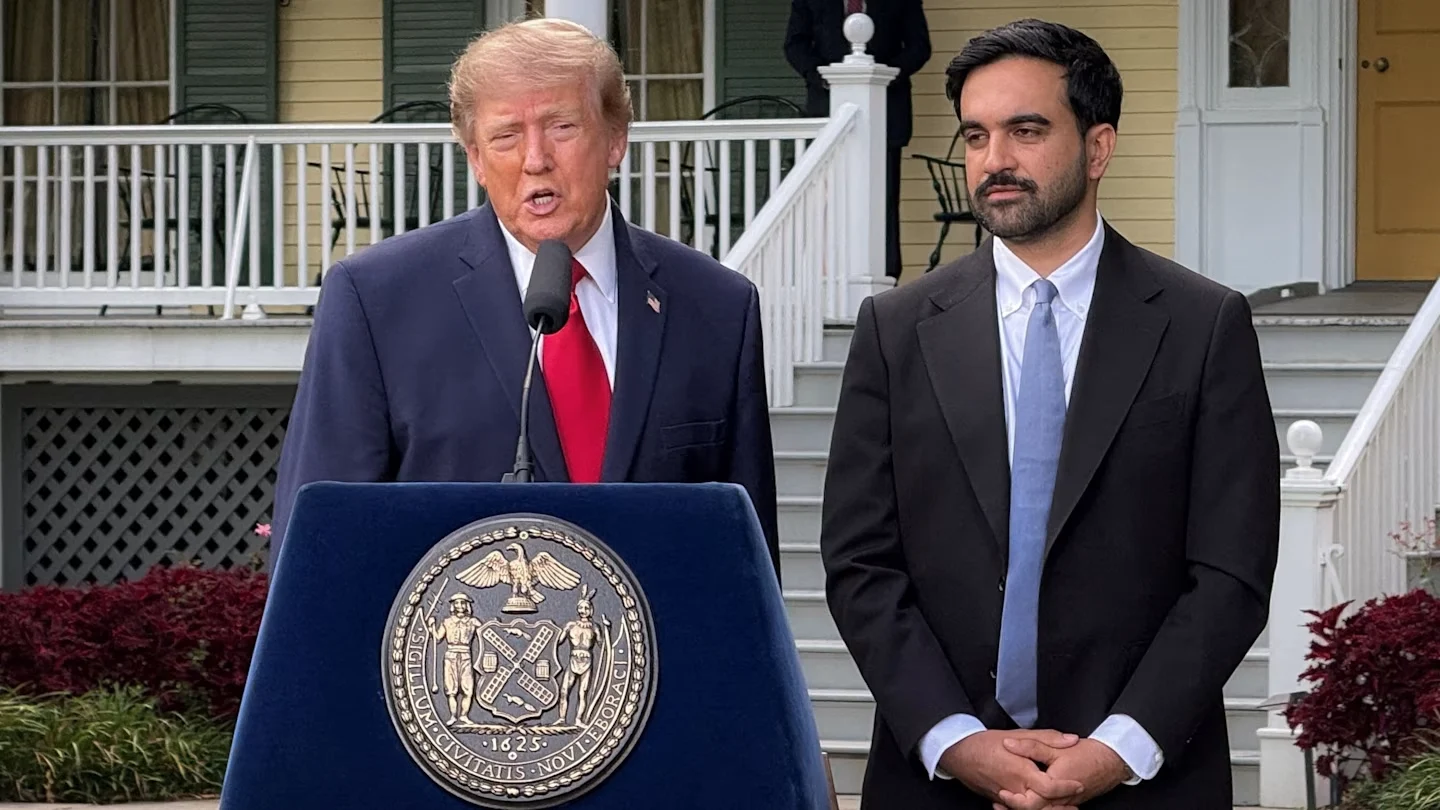
President Donald Trump met on Monday with New York City Mayor Zohran Mamdani at Gracie Mansion, in a meeting focused on the housing crisis and the high cost of living in the city. The meeting took place during the president's visit to New York for the United Nations General Assembly and marked the first time in 45 years that a sitting U.S. president has visited the official residence of the mayor.
Trump and Mamdani, who have significant political differences, agreed to promote meetings between the housing and operations teams of the municipal government and White House officials to discuss projects aimed at expanding housing supply and reducing costs for New Yorkers.
One of the main issues addressed was the Sunnyside Yard development project in Queens, an initiative that includes the construction of approximately 12,000 new housing units, as well as parks, schools, shops, open spaces, and other community facilities.
The project would be developed on land currently used as a rail yard and would require significant federal government involvement. Sunnyside Yard is owned by Amtrak, a company that operates under federal control, so any large-scale transformation needs approvals from Washington.
Donald Trump and the Democratic mayor of New York City, Zohran Mamdani, met again to discuss housing and the cost of living in New York
Mamdani recalled that during his first meeting with Trump in February, he had requested about $21 billion in federal funds to advance the project. The mayor reiterated the need for federal support during the meeting at Gracie Mansion, although Trump did not announce a definitive funding commitment.
The president did express interest in the initiative and acknowledged that Sunnyside Yard has been considered for an urban development project for decades. "Everyone has wanted to do something with Sunnyside Yards," Trump stated, who also highlighted his experience as a real estate developer in New York and noted that he has known the concept for decades.
Trump described the project as a large-scale endeavor but emphasized the strategic location of the land. He also pointed out that the city would need federal approvals and backing to carry out the transformation of the area.
The U.S. president expressed interest in a city project to build around 12,000 homes but did not announce a funding commitment
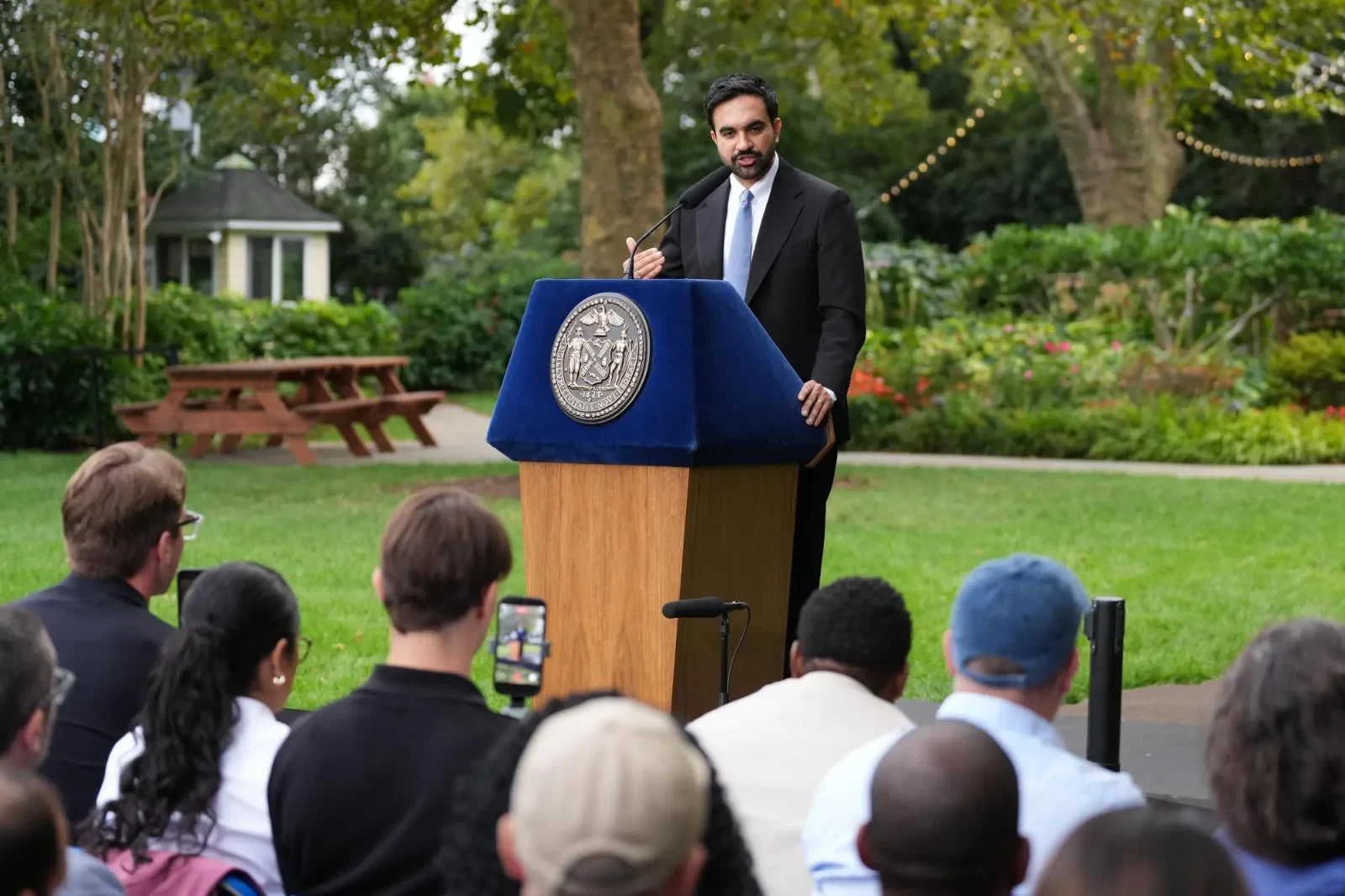
Mamdani, for his part, valued the president's willingness to collaborate with the city and emphasized that Trump not only currently holds the presidency but also has an extensive background as a builder and real estate developer in New York.
"We know the president not only as the leader of the country but also as someone who has built quite a bit of housing here in our city," the mayor stated.
Trump's willingness to work with Mamdani came despite the strong political differences between them. The mayor is the first elected socialist Democrat to govern New York and during his campaign defended economic and social proposals that contrast with much of the president's agenda.
The socialist mayor praised the willingness of the U.S. president and highlighted his background as a real estate developer
However, Trump adopted a more conciliatory tone after the meeting and stated that Mamdani has "great potential." The president asserted that he hopes he can become a good mayor and emphasized that his priority is for New York to thrive.
"I want what is good for New York. I want what is good for the country," Trump maintained.
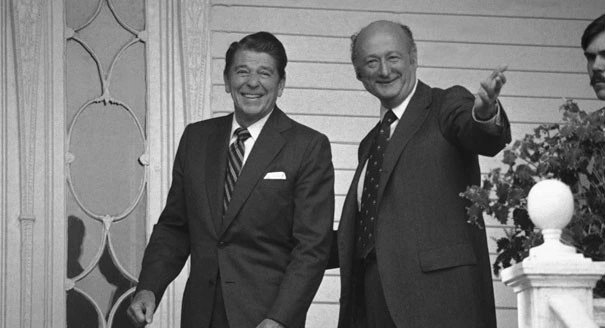
The meeting also had historical significance. The last time a sitting president visited Gracie Mansion was in 1981, when Ronald Reagan met there with then-mayor Ed Koch. Before Reagan, the residence was also visited by presidents Jimmy Carter, John F. Kennedy, and Harry Truman.
The last time a president visited the residence of the mayor of New York was when Ronald Reagan attended during Ed Koch's administration
Trump defends his press restrictions
During the meeting, Trump was asked about his decision to restrict access for certain media outlets to White House press conferences.
The president defended the measure and stated that some media had spread false information about his administration, the war, and other issues. Trump argued that those media have an obligation to provide fair coverage and contended that his administration must respond to what it considers harmful information for the country and national security.
The issue again highlighted the differences between Trump and Mamdani, but did not shift the main focus of the meeting: the possibility of Washington and New York working together to develop thousands of housing units and address the cost of living.
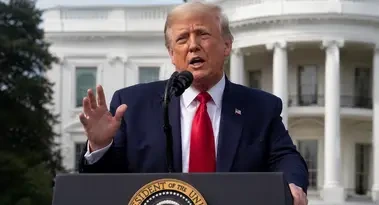
The U.S. president defended his decision to exclude certain media from the White House, asserting that they spread false information