The President of the United States, Donald Trump, stated that he urged his Russian counterpart, Vladimir Putin, to end military operations against European territories as part of his efforts to reach an agreement that would allow for a quick end to the war in Ukraine. The leader assured that he believes a diplomatic solution is possible, while warning about the high number of casualties that the conflict continues to cause.
In a post on Truth Social on Thursday, Trump revealed that during his conversations with Putin in China, in early November, he dedicated a significant part of the dialogue to raising the need to stop the expansion of Russian military actions in Europe. He explained that his goal is to create the necessary conditions for Moscow and Kiev to reach an understanding that ends hostilities.
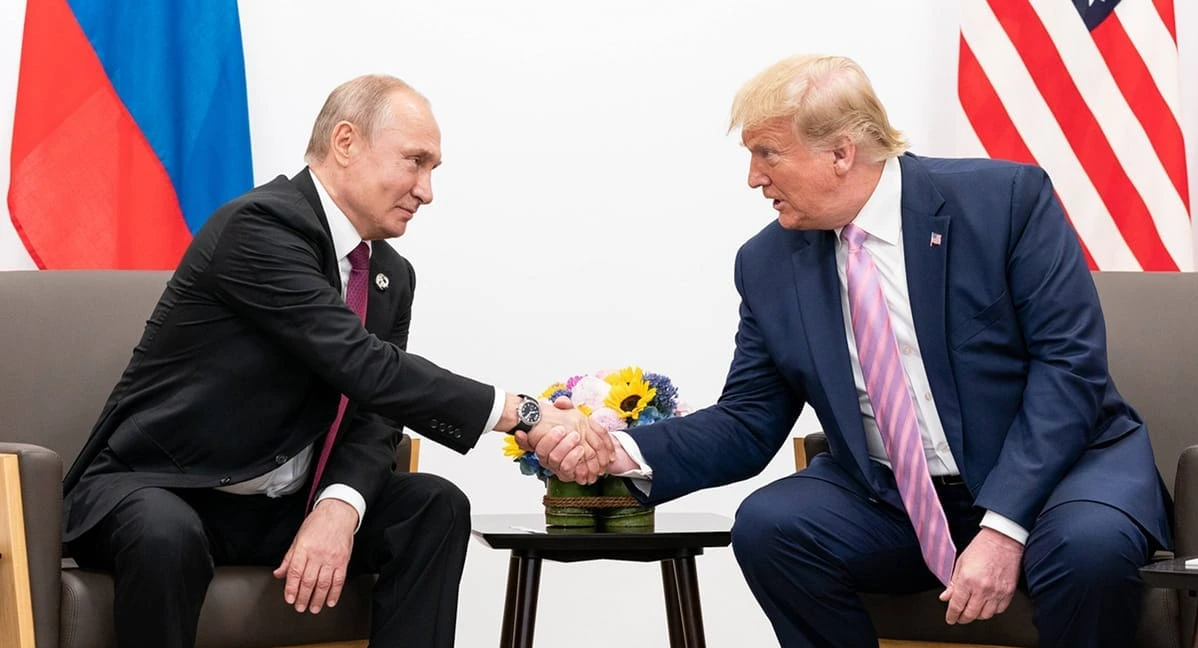
''During my conversations in China with President Vladimir Putin of Russia, I spent a lot of time talking about the fact that I would like President Putin to withdraw all military aggression against territories across Europe, with the hope that a quick agreement can be reached between Russia and Ukraine,'' Trump wrote.
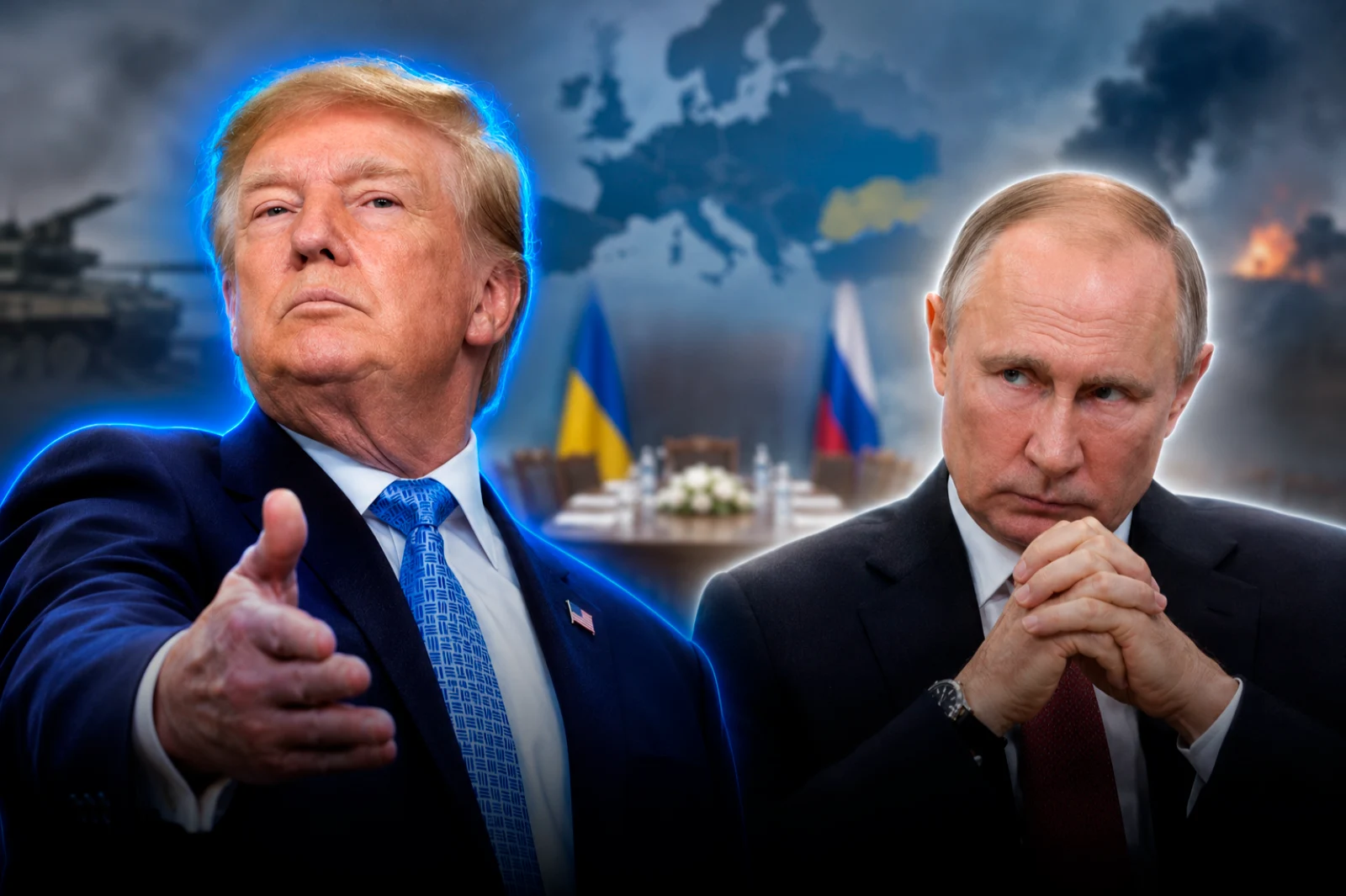
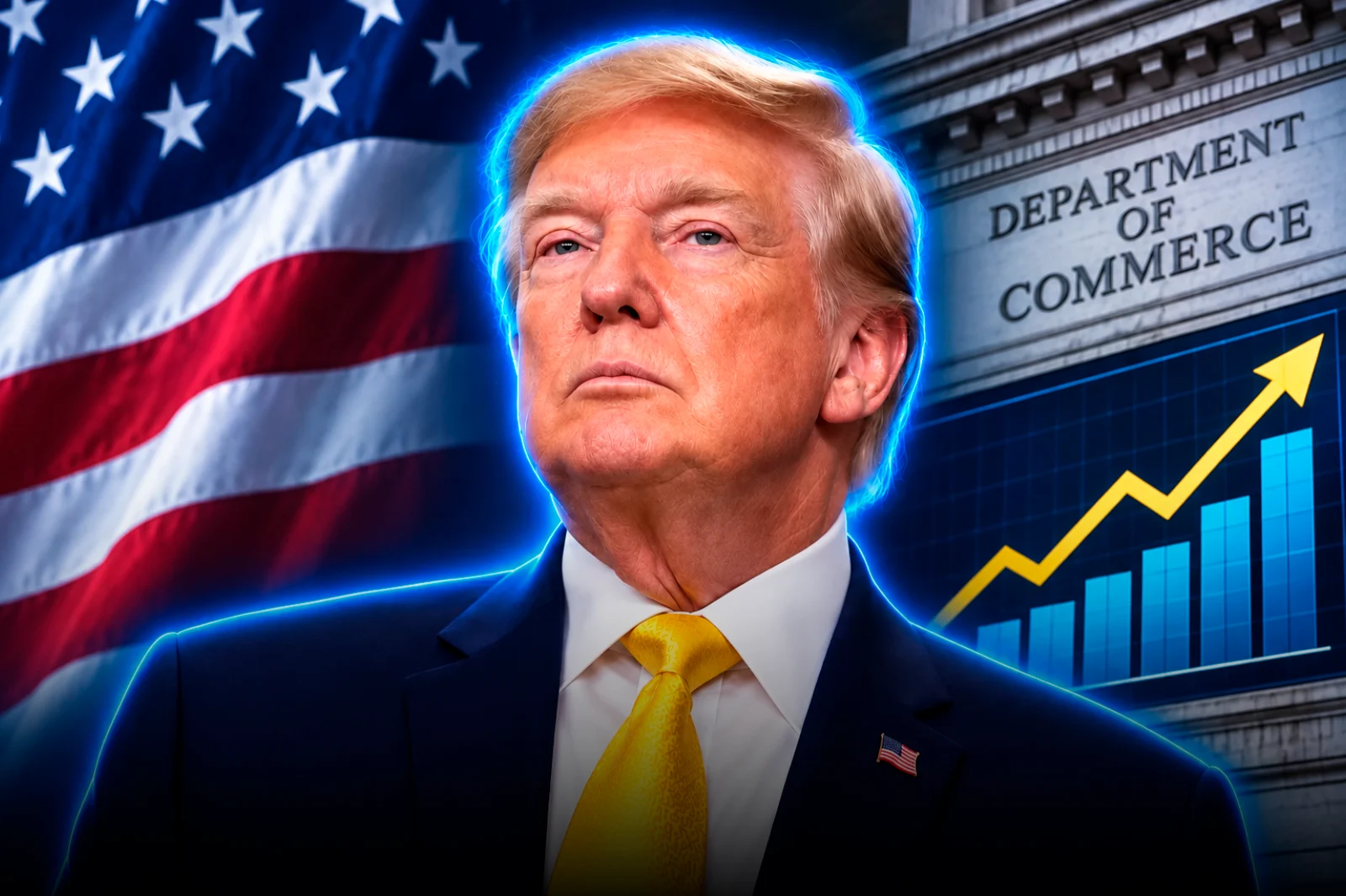
Donald Trump urged Vladimir Putin to cease his offensive on the European continent and seek a peaceful solution to the war in Ukraine
The U.S. president expressed his confidence that negotiations could yield results and emphasized the urgency of stopping a war that continues to cause thousands of deaths.
''I really believe this is a very solid possibility. Thousands of people are dying every month, a COMPLETE BLOOD BATH, and it would be a great tribute to all,'' he added.
The statements reflect Trump's intention to keep the diplomatic channel open with the Kremlin and use his direct contacts with Putin to push for a negotiated exit. Since his return to the White House, the president has advocated for the need to end the conflict through an agreement and to prevent the war from continuing to drag on with new human losses and greater risks to international security.
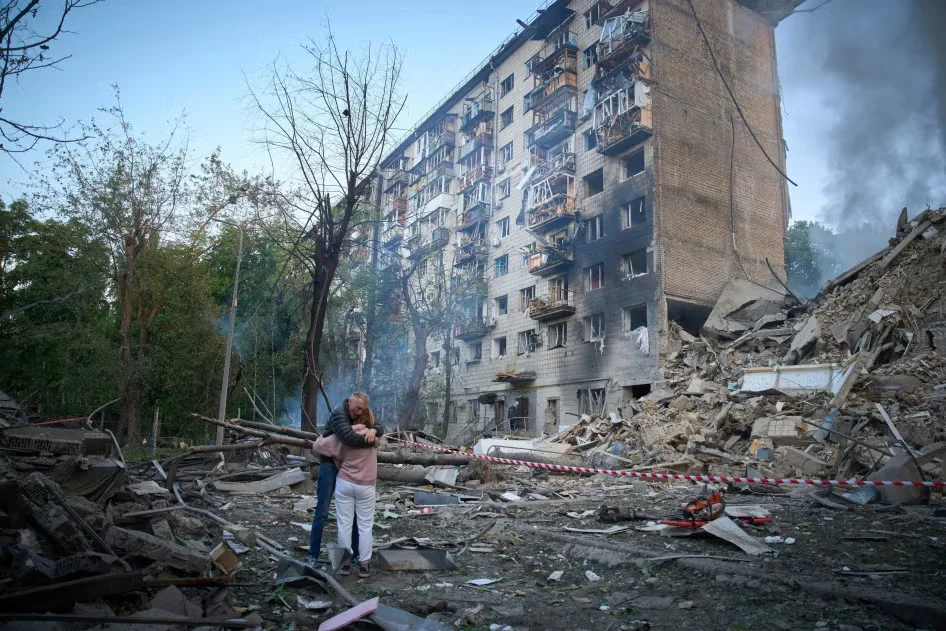
The war in Ukraine has been going on for more than four years and there are no forecasts of its end in sight
Meeting with the NATO Secretary General
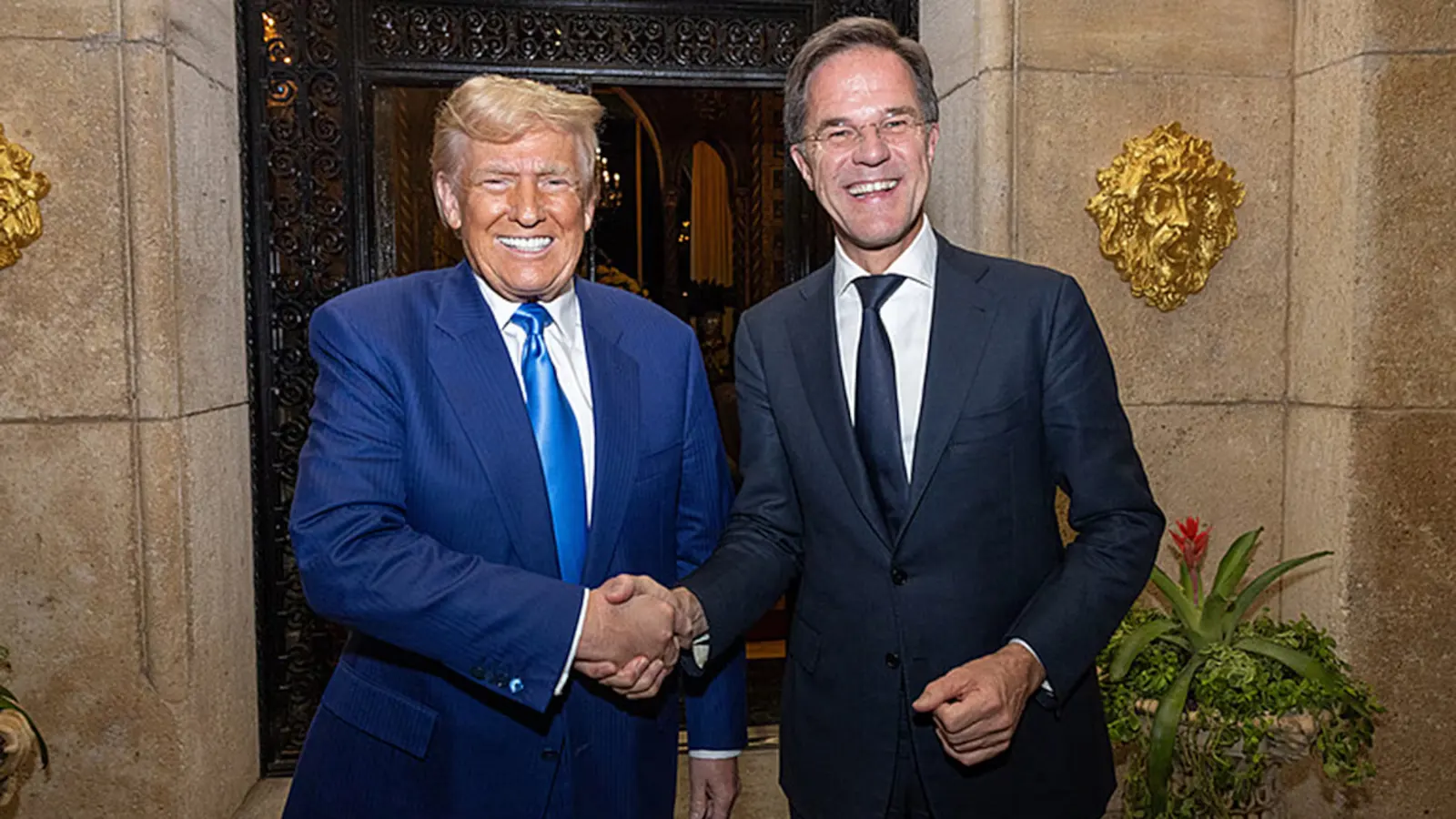
Trump's statements came after a meeting held on Wednesday night at Mar-a-Lago with the Secretary General of the North Atlantic Treaty Organization (NATO), Mark Rutte.
During the meeting, both leaders addressed the situation in Ukraine, the U.S. president's conversations with Putin, and the necessary measures to prevent the confrontation from spreading to other countries.
Trump explained that he informed Rutte about his exchanges with the Russian leader and that they both dedicated considerable time to discussing how to avoid a military escalation.
''We also talked extensively about the importance of Russia and Ukraine avoiding any action that, intentionally or not, expands the war, as well as the importance of reaching a peaceful resolution to the conflict as quickly as possible,'' the president noted in another post on Truth Social.
The leader emphasized that preventing an expansion of hostilities is a priority for Washington and its allies. An escalation could involve more European countries and significantly increase risks to the continent's security.
The meeting with Rutte also allowed for the discussion of other strategic issues in the relationship between the United States and the Atlantic alliance, including the situation in Iran, military spending by member countries, and investments aimed at strengthening defense industrial capacity.
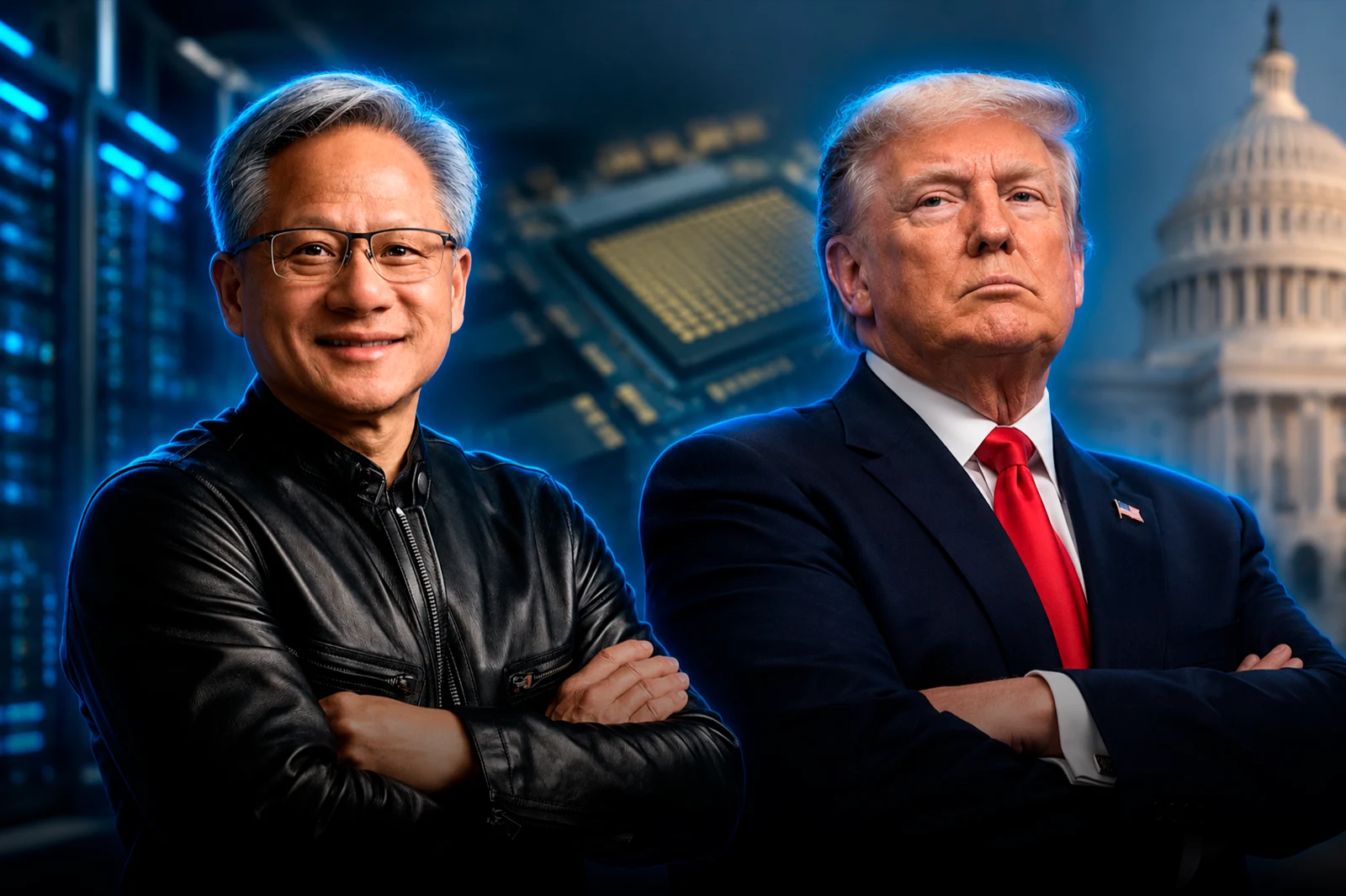
Donald Trump met with Mark Rutte to define issues related to the situation in Iran and the future of NATO
Trump highlights the strengthening of the U.S. military industry
One of the central points of the meeting was the advancement of U.S. military production programs and cooperation with NATO allies. Trump informed that he brought the Secretary General up to speed on the progress of U.S. defense companies, which are currently working on more than 20 new industrial facilities under construction.
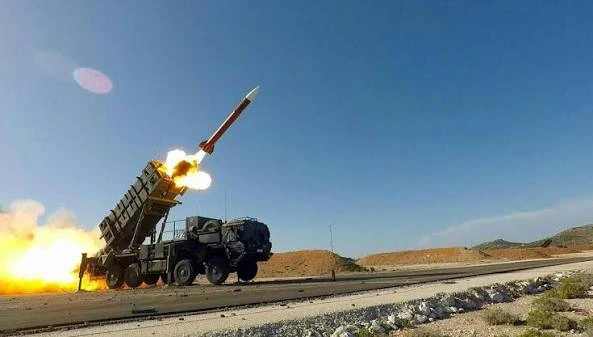
Among the weapon systems included in those projects, he mentioned Patriot missiles, THAAD missile defense systems, and Tomahawks, as well as other offensive and defensive military technologies that have not yet been publicly presented.
''There has never been a time when the United States produced more military equipment and ammunition than now,'' Trump stated.
Among the topics discussed by both leaders was the acquisition of defense systems.
The president also maintained that U.S. arsenals will soon be fully stocked and that, once that goal is achieved, allies and international partners will benefit from greater availability of military equipment.
''Our depot will soon be full, and when that happens, our allies and partners around the world will benefit greatly,'' he wrote.
Investments in defense infrastructure are part of the Trump administration's strategy to expand domestic production capacity, strengthen military readiness, and ensure that the United States can respond to various international security scenarios without overly relying on external suppliers.
The leader also highlighted the commitments reached jointly with NATO during the recent summits held in The Hague and Ankara. He indicated that the progress made in those meetings was part of the discussions with Rutte.
Los resultados de la votación.
The meeting also addressed the need for allied countries to maintain sufficient investments in defense and contribute to strengthening collective military capacity.
Meanwhile, Trump continues to promote diplomatic contacts with Moscow to find a way out of the Ukrainian conflict. His message to Putin and the dialogue with NATO leadership show two complementary fronts of his strategy: maintaining pressure to prevent new aggressions and reinforcing Western defensive capabilities while seeking to open a concrete opportunity to end the war.
The U.S. president insisted that an agreement between Russia and Ukraine is possible and that stopping the deaths must be a priority. His declared goal is to reach a peaceful solution without allowing the conflict to extend and further compromise European stability.