Trump seeks to protect the strategic AI infrastructure, strengthen the domestic industry, and prevent China from benefiting from U.S. investments abroad
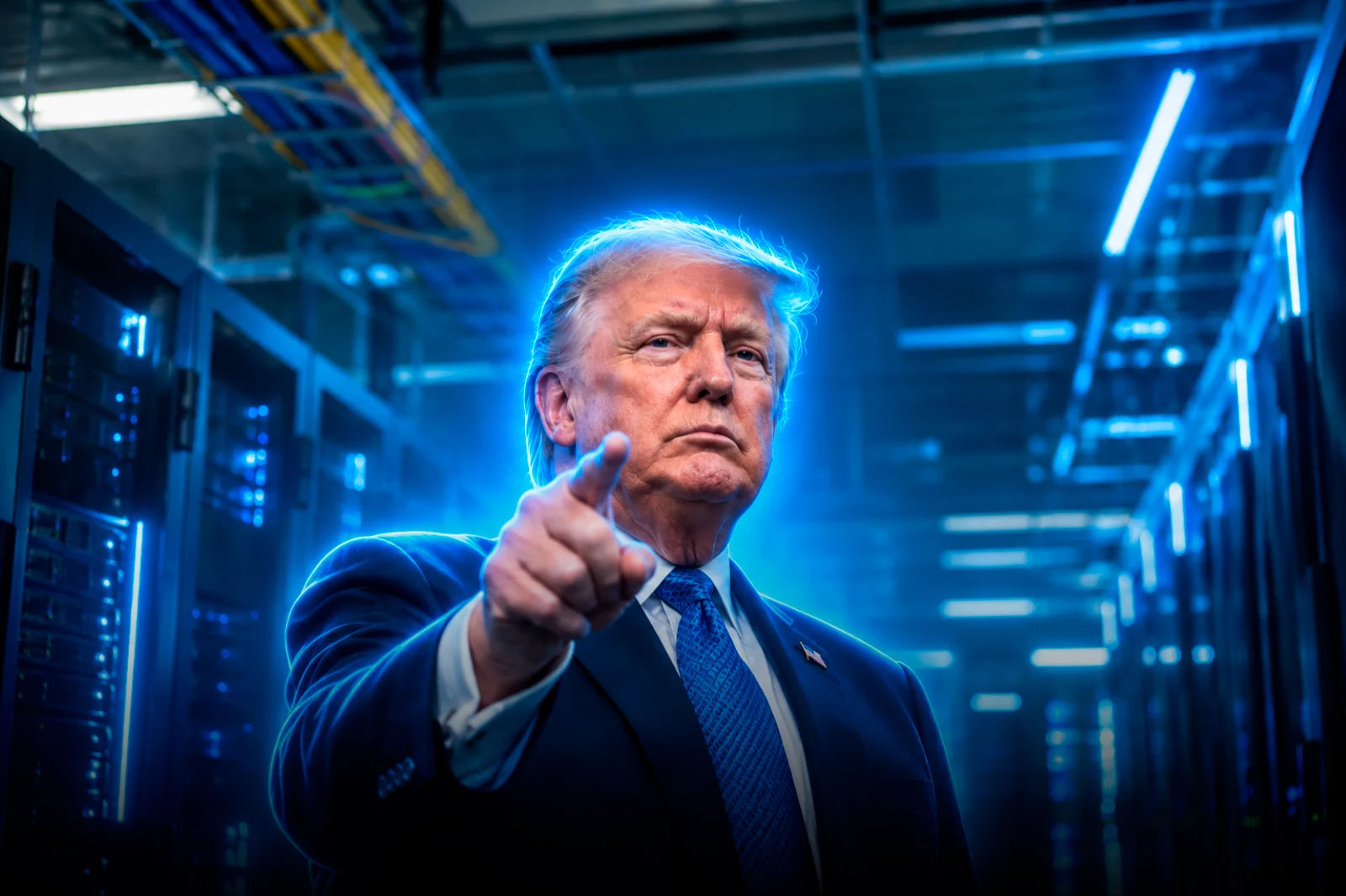
President Donald Trump warned that his administration will not allow U.S. tech companies to build data centers in other countries and threatened to impose extraordinary taxes on them if they move those investments abroad. The measure aims to ensure that the infrastructure necessary for developing artificial intelligence (AI) remains within the United States and helps strengthen the country's economic and technological competitiveness against China.
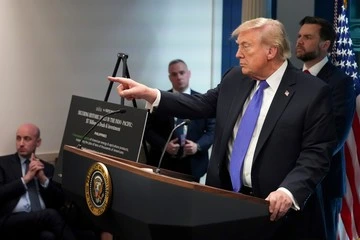
''We are not going to allow that to happen,'' Trump stated on November 20 during an evening appearance at the White House, referring to the possibility of U.S. companies building server facilities outside the national territory.
The president maintained that companies must make their investments in the United States and warned that they will face considerable economic consequences if they decide to establish their data centers elsewhere in the world. ''We are going to impose a tremendous tax'' on companies that build server factories abroad, he assured.
Trump made it clear that his administration intends to provide conditions for these facilities to be developed within the country, regardless of the state chosen by the companies. ''We want them to build them here. And if they don't want to go to Texas, or if they don't want to go to California, they will go to West Virginia,'' he pointed out.
President Donald Trump has warned tech companies that they will face big taxes if they build data centers overseas.
The president also warned that if Washington does not establish incentives and penalties to guide investments, China could end up benefiting from the infrastructure that U.S. companies decide to build outside their borders.
This warning is part of a broader strategy to consolidate U.S. technological leadership, especially in the field of artificial intelligence, considered one of the main areas of economic, industrial, and strategic competition between Washington and Beijing.
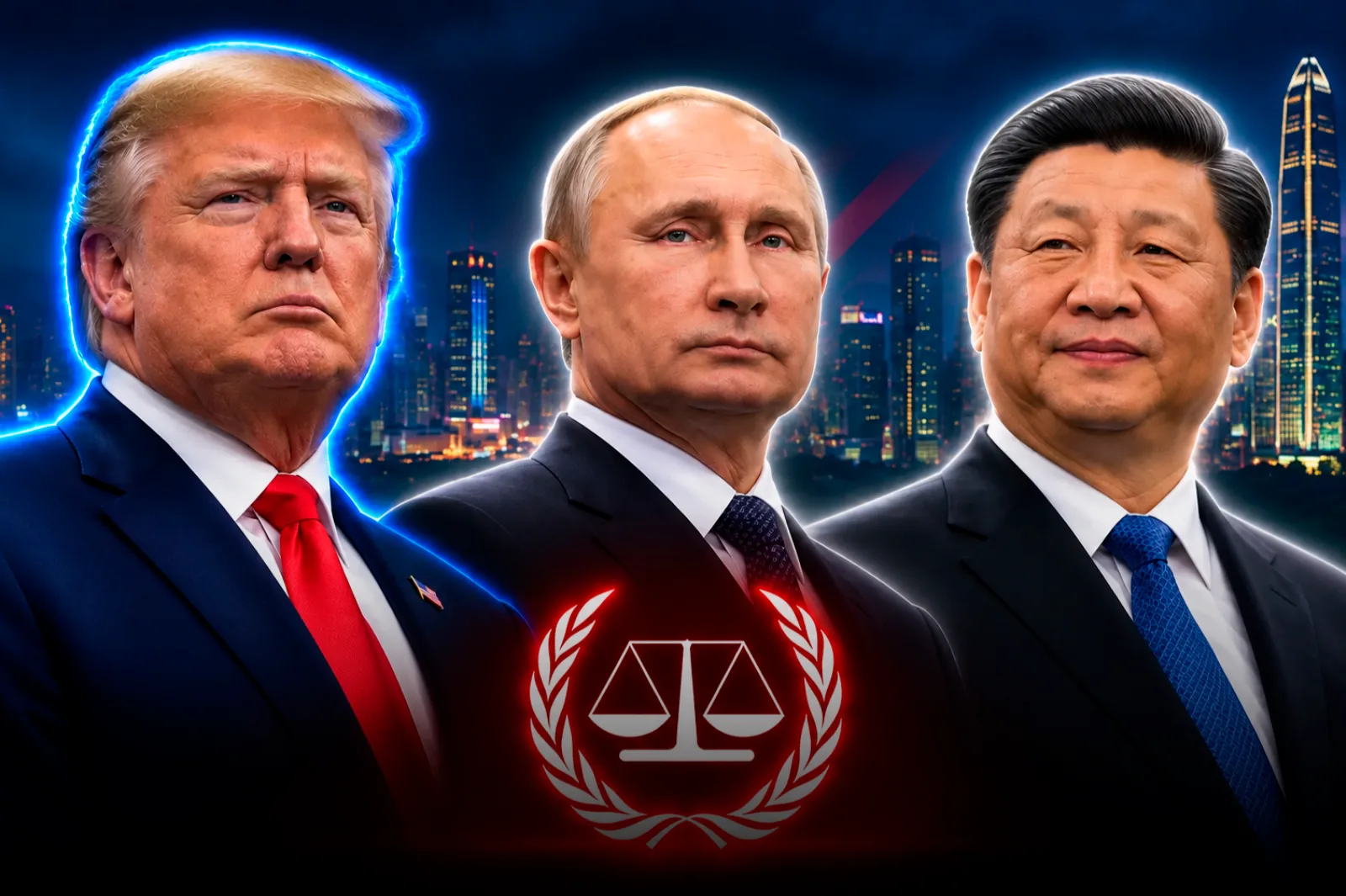
The statements came just one day after Trump's trip to Asia, which included a historic trilateral meeting with Chinese President Xi Jinping and Russian President Vladimir Putin. The meeting represented an important diplomatic episode and was accompanied by discussions about the future of international relations and technological challenges.
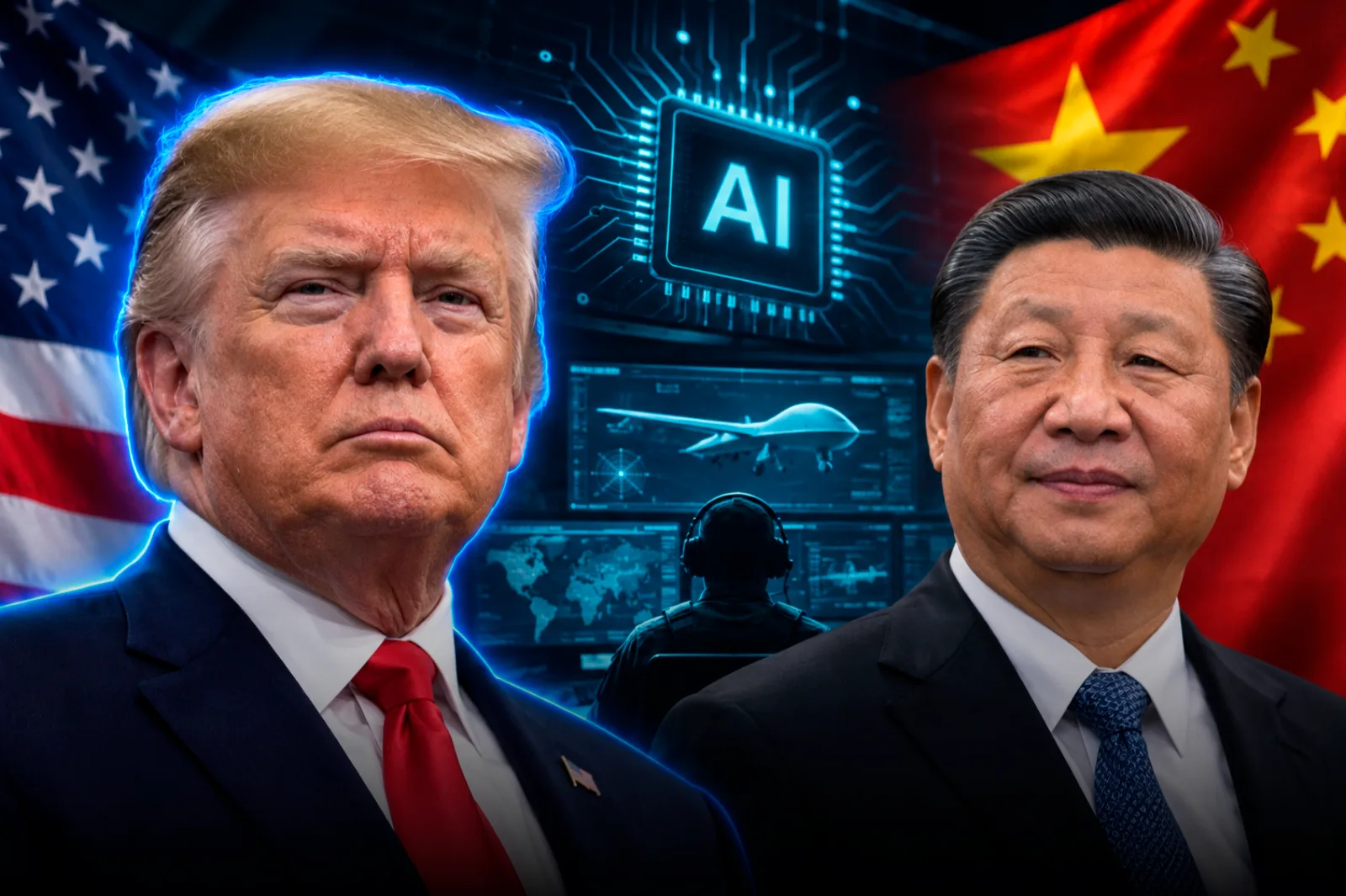
The US president's warnings come in the context of the race between China and the United States for artificial intelligence
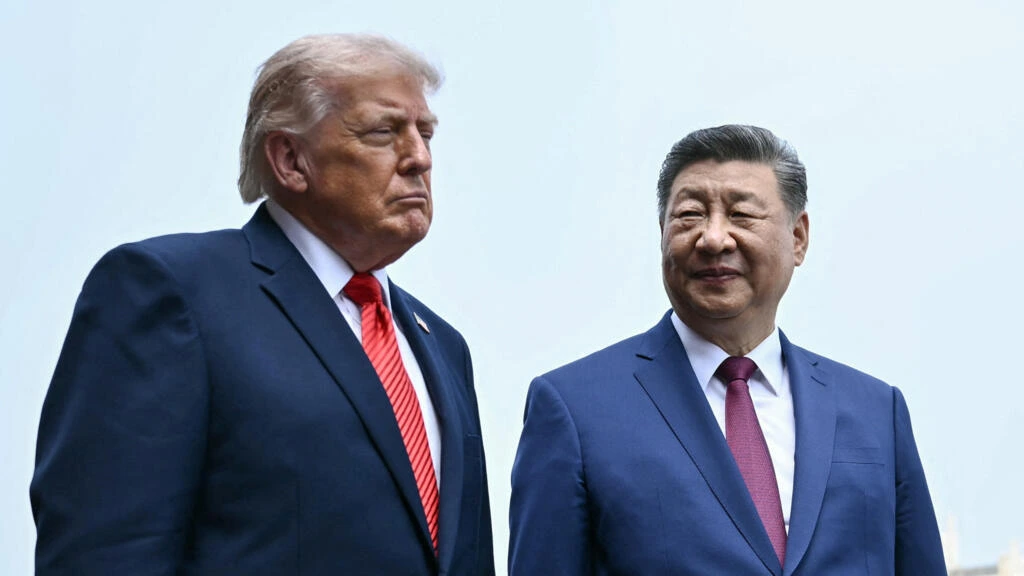
During his appearance, Trump also revealed that he had agreed with Xi to explore joint mechanisms to establish limits and rules on the development of artificial intelligence. The U.S. president referred to this advanced technology as ''superintelligence,'' or SI, for its initials in English.
''President Xi and I agree that we are going to establish some joint safeguards, both of us,'' Trump explained. The initiative aims to explore mechanisms that allow addressing the risks associated with the development of increasingly sophisticated systems, without losing sight of the international competition to dominate the sector.
However, the president emphasized that cooperation on rules does not mean that the United States is ceding ground to China. On the contrary, he asserted that the country maintains a considerable advantage and that his Administration intends to preserve it.
''We are leading and they are in second place,'' he stated. ''And after that, there is no one even close. I don't think there ever will be. But whoever wins superintelligence, wins.''
Donald Trump and Xi Jinping agreed to establish clear rules for the development of artificial intelligence
Trump also highlighted the U.S. superiority in the manufacturing of specialized semiconductors for artificial intelligence. He claimed that the United States is approximately ten years ahead of China in the production of these components, which are essential for training and running the most advanced AI systems.
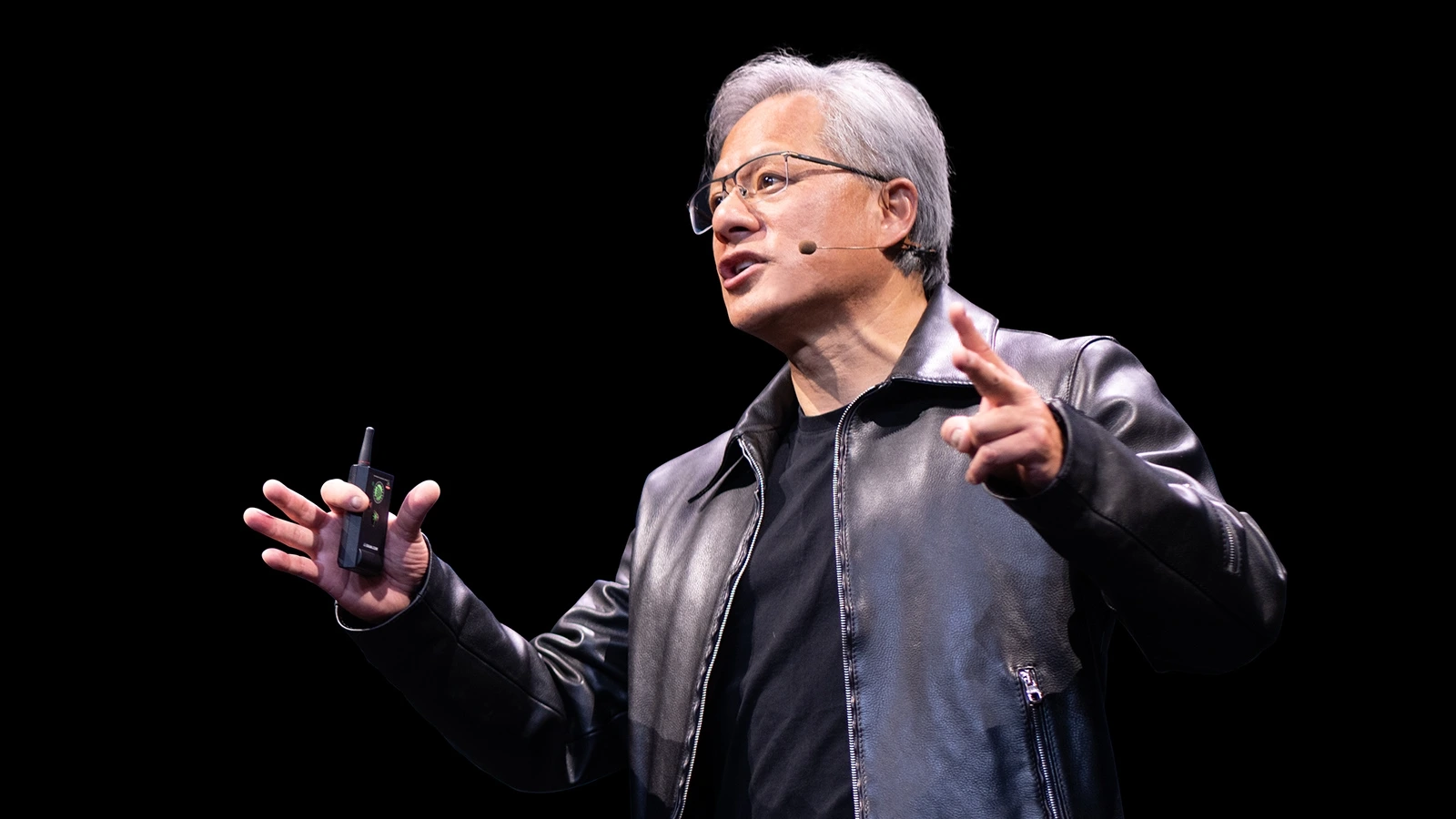
The president attributed part of that leadership to the advancements driven by Jensen Huang, former CEO of Nvidia, whom he described as a brilliant figure in the tech industry.
Huang had stepped down from his position on November 11, after acknowledging an extramarital relationship that generated controversy. Although Trump did not directly mention the woman involved, he expressed his hope that the businessman could regain his position at the helm of the company.
''I would like to see Jensen offer a big apology and come back,'' the president stated. He also described him as an extraordinarily intelligent person who had made some wrong decisions, but who, in his opinion, deserved a second chance to lead the company.
The controversy surrounding the businessman gained greater relevance after information was published about his relationship with Alice Huang and the alleged concerns of U.S. intelligence agencies regarding a possible transfer of confidential information to Beijing.
Jensen Huang, whom the US president noted for his great intelligence, is one of the pioneers in new technologies