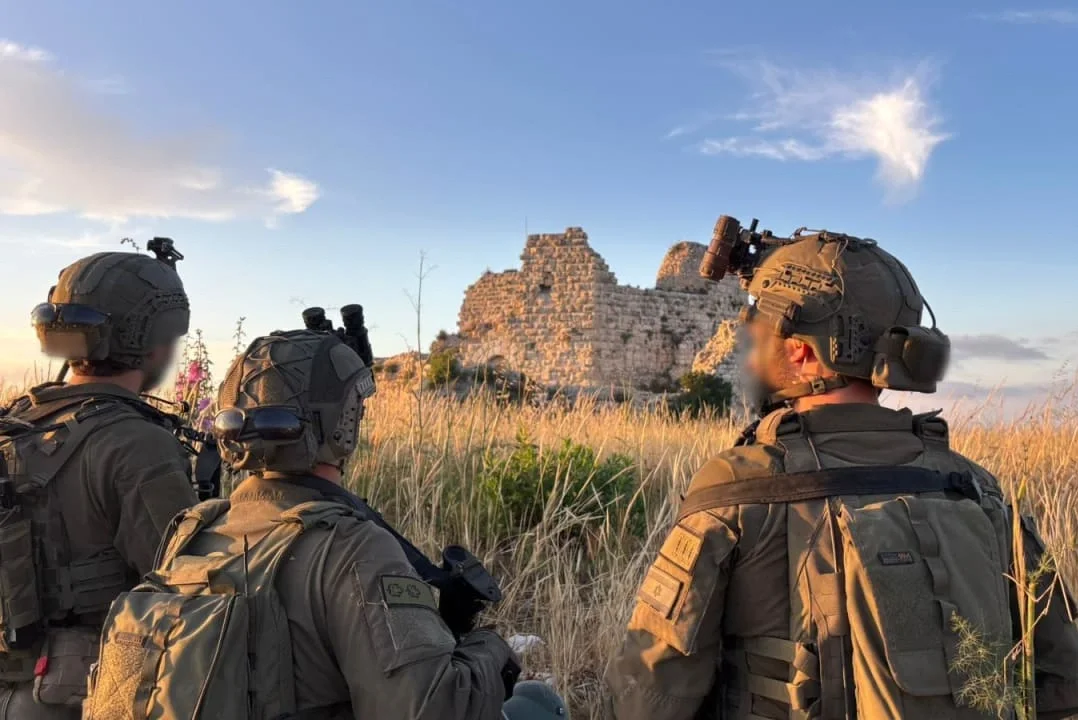
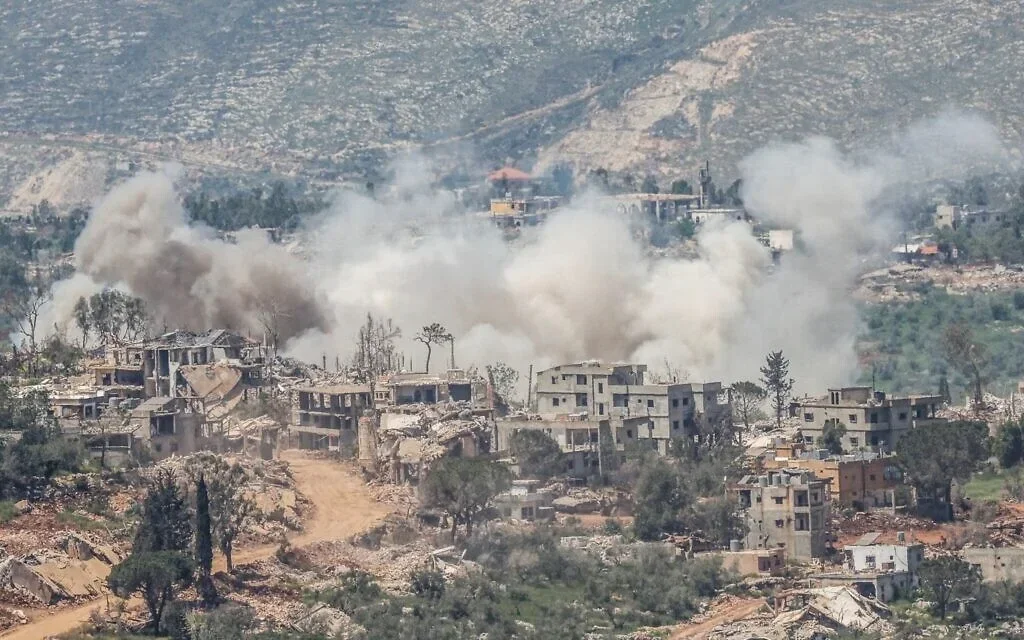
The Israel Defense Forces (IDF) announced that ground troops crossed the Litani River and secured strategic positions on the Beaufort Ridge and the Wadi al-Saluki area in southern Lebanon, in an operation aimed at weakening Hezbollah's military infrastructure and reducing the threat the organization poses to communities in northern Israel.
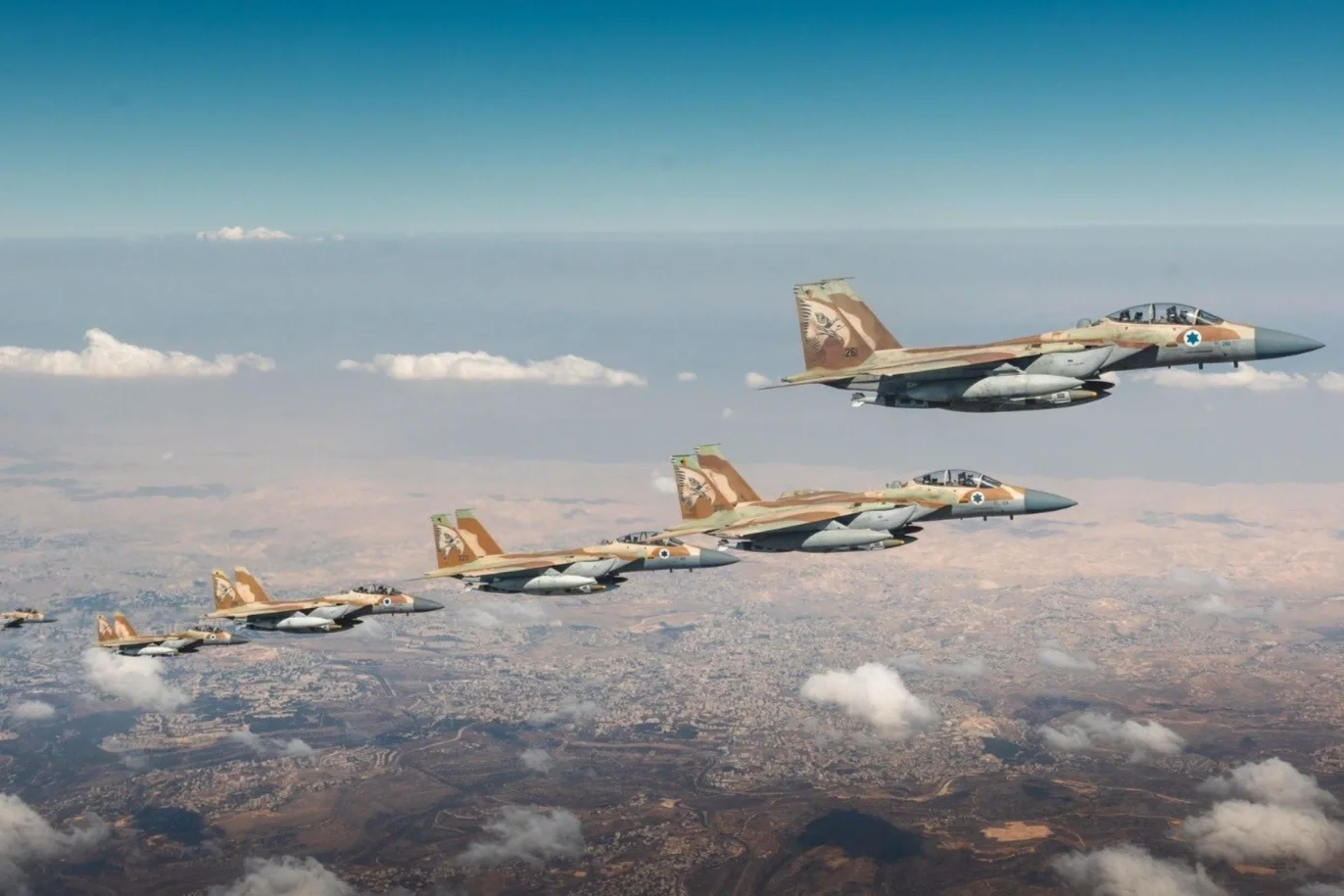
According to the military statement, the maneuver began several days ago and is currently expanding into other areas. Before the entry of ground forces, the Israeli Air Force carried out a series of attacks against Hezbollah positions and infrastructure, while artillery units and tanks provided additional support during the advance.
The IDF also noted that they are operating near Nabatiya, considered one of Hezbollah's main strongholds in southern Lebanon, and that they are prepared to expand operations in that region.
Images of operations in Lebanon
The capture of the Beaufort Ridge carries strong symbolic and historical significance for Israel. Defense Minister Israel Katz emphasized that the operation coincides with the anniversary of the battles fought there during the First Lebanon War in 1982. “The IDF fighters have returned to the top of Beaufort and have raised the flag of Israel and the Golani flag,” he stated, praising the troops for continuing the mission to ensure the safety of residents in the north of the country.
For his part, Prime Minister Benjamin Netanyahu described the capture of Beaufort as a “dramatic” stage in the Israeli strategy against Hezbollah. According to Netanyahu, Israeli forces have eliminated about 8,000 Hezbollah members since the start of the war, including 3,000 since the launch of Operation Roaring Lion and 700 in the last month.
The leader stated that Israel has shifted to a more offensive posture on various regional fronts, including Syria, Gaza, and Lebanon, with the aim of preventing hostile groups from threatening the Israeli population.
The Israeli presence in Beaufort marks the IDF's return to that position for the first time in 26 years. Israel maintained the military outpost until May 2000, when it withdrew from southern Lebanon. After that withdrawal, Hezbollah took advantage of the power vacuum created in the area to significantly rebuild and expand its military capabilities, eventually becoming one of the main threats to Israel's security on its northern border.