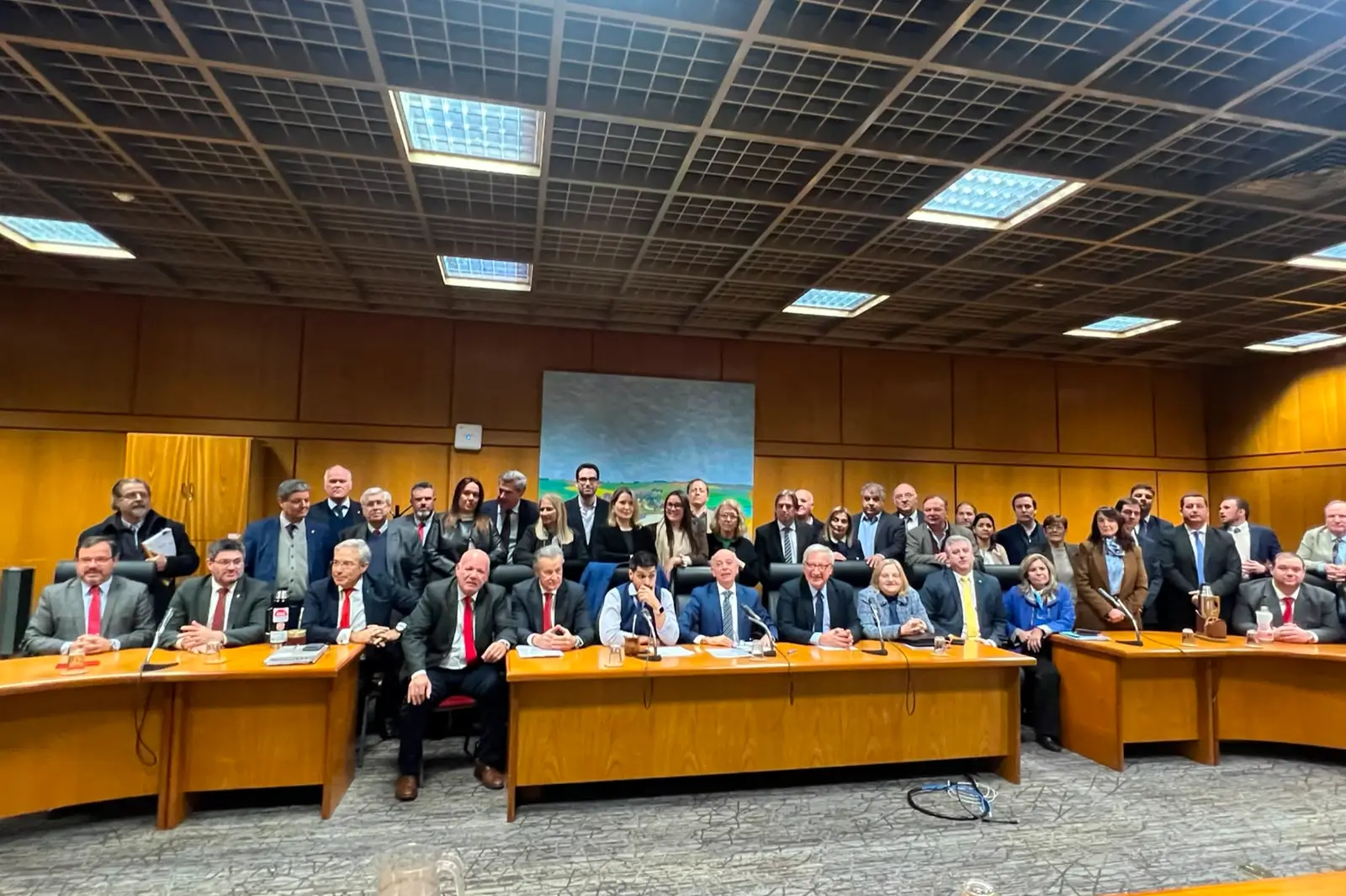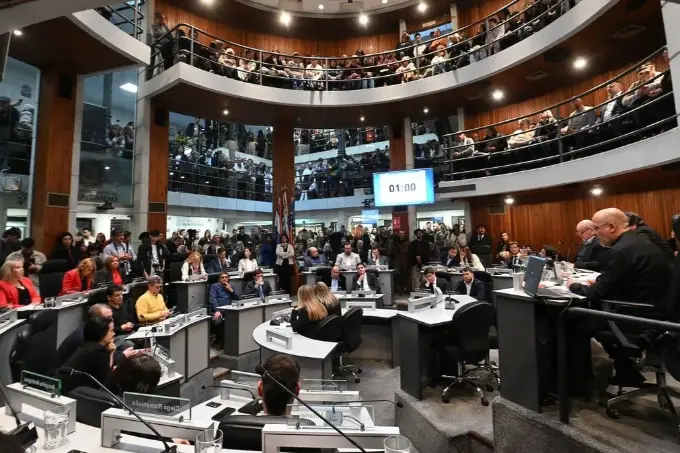

The Constitution states that they do not get paid. Reality tells a different story: million-dollar allocations, handpicked advisors, fuel, tickets, and exemptions paid for by a taxpayer who is never asked anything.
In Uruguay, there is a word that politics uses as a pretext: honorarium. It sounds like vocation, like selfless service, like a citizen who donates their time to the community. In the Montevideo Departmental Board, it means something very different: a position without a formal salary, surrounded by a system of privileges that no ordinary worker could dream of.
Article 295 of the Constitution establishes that councilors do not get paid. In 1994, Uruguayans rejected at the polls a reform that, among other things, allowed them to be paid. The message was clear. The elite still found a way to circumvent it.
A payroll paid by the neighbor
Each of the 31 councilors receives around $262,000 every month to hire up to five secretaries. Do the math: that’s over $8 million a month and nearly $97 million a year, just in this allocation. All of it comes from the pocket of the same Montevidean who pays one of the highest taxes in the country and receives in return broken streets, overflowing garbage, and a transportation system that doesn’t work.
What’s the oversight? Presenting a pay stub. Nothing more. No one verifies what those advisors do, how many hours they work, or if part of that money goes back to the political sector that placed them there. The councilors themselves admit it. Some acknowledge that a good part of their "secretaries" were imposed by their sector and that they work for the party, not for the Board. In other words, activism funded by taxes.
Nine per head
And five is not enough. Each councilor can add up to four public officials on a commission transfer, who continue to receive their salary from their original agency: an employee from ASSE, the Municipality, or another entity that leaves their job to serve a councilor. Nine people per councilor. A councilor from the Republican Coalition said it bluntly: "in reality, there are some who do nothing." He also admitted that two of his transfers were political favors.