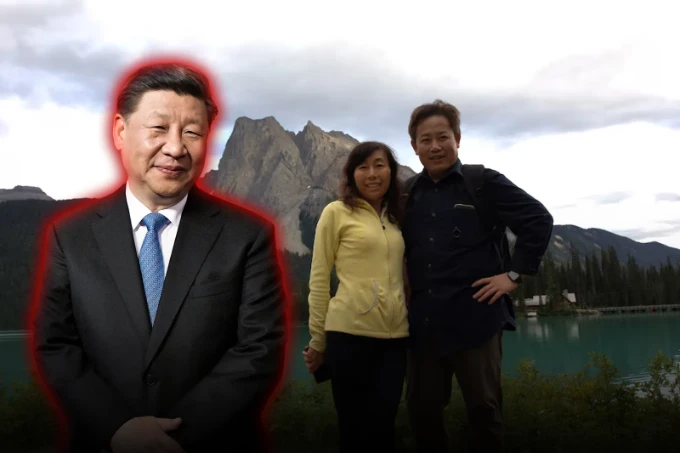
China has been detaining American seismologist Chen Youlin for almost two years on espionage charges, in a case that raises strong questions about the lack of transparency in the judicial system of the regime of Xi Jinping and the use of national security-related charges against foreign citizens and academics. The scientist's family decided to make his situation public, considering that diplomatic efforts have not yielded results and there is growing concern for his health.
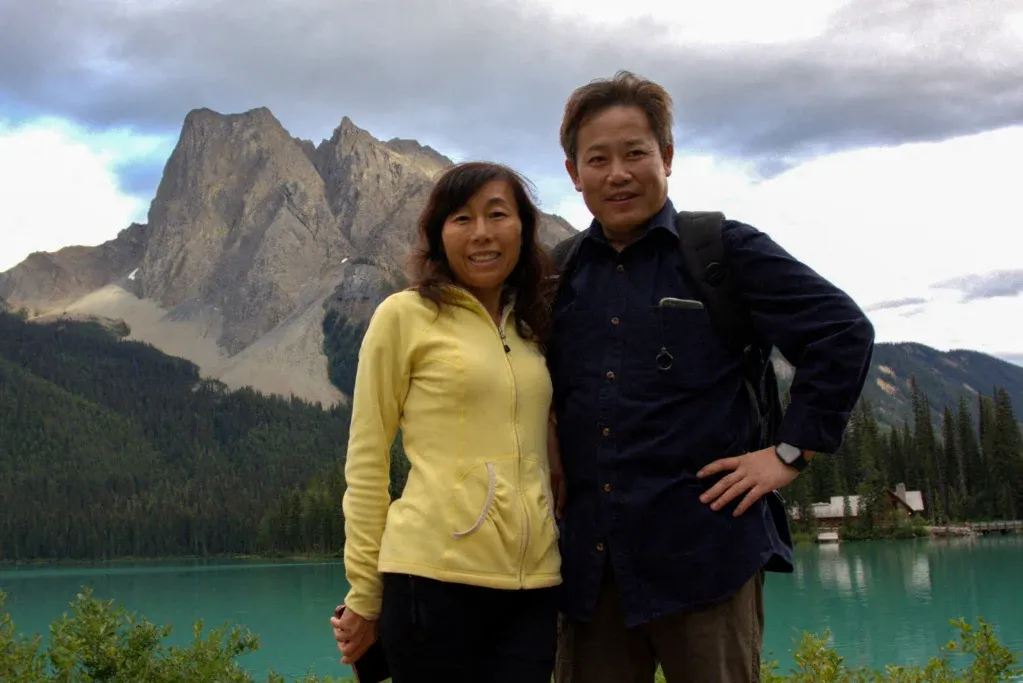
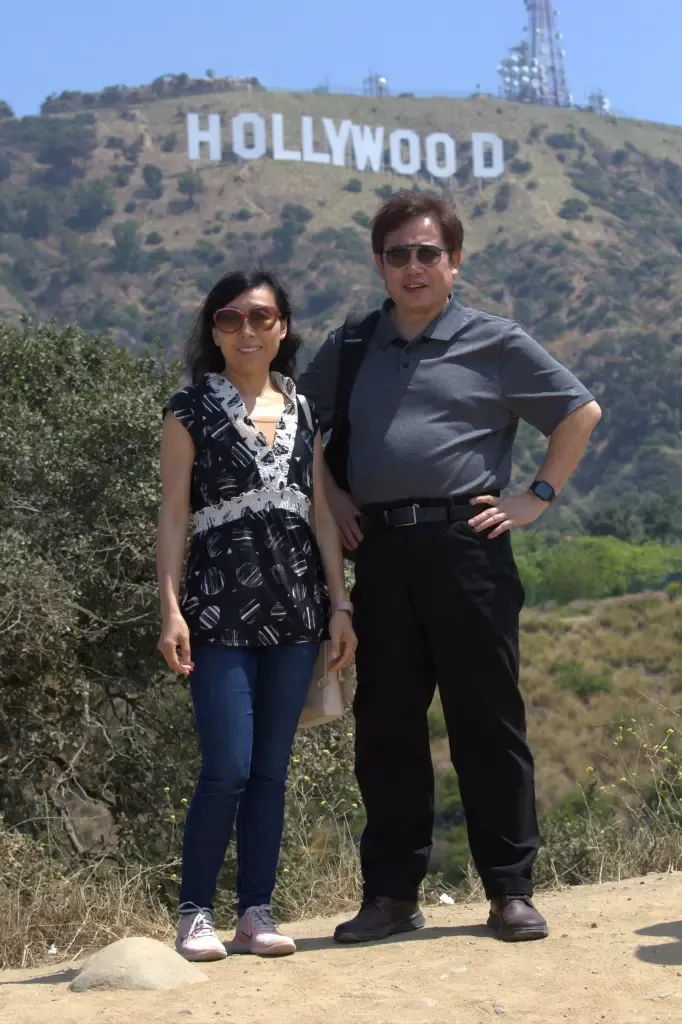
Chen, 54, was arrested in November 2024 during a private trip to Beijing to visit family. Born in China and naturalized as an American in 2011, he resides in Boston, Massachusetts, where he has developed a career as a specialist in seismology applied to the detection of nuclear tests.
Currently, he is the only American citizen classified by Washington as ''wrongfully detained'', a designation reserved for cases where the U.S. government believes a person is imprisoned for political or arbitrary reasons.
An American scientist was detained by Xi Jinping's regime after conducting research on North Korea's clandestine nuclear tests
The scientist has participated for years in projects funded by U.S. authorities to improve seismic monitoring systems capable of detection of clandestine nuclear tests. His work has focused especially on Asia, where North Korea remains the only country openly conducting underground nuclear tests.
Among his research is a study conducted in 2020 that analyzed seismic records obtained in several Asian countries, including China, aimed at refining international techniques for detecting and estimating nuclear explosions.
Despite the scientific and widely known nature of this research, Chinese authorities accuse him of espionage, a crime that in the country's judicial system can carry life sentences and even the death penalty.
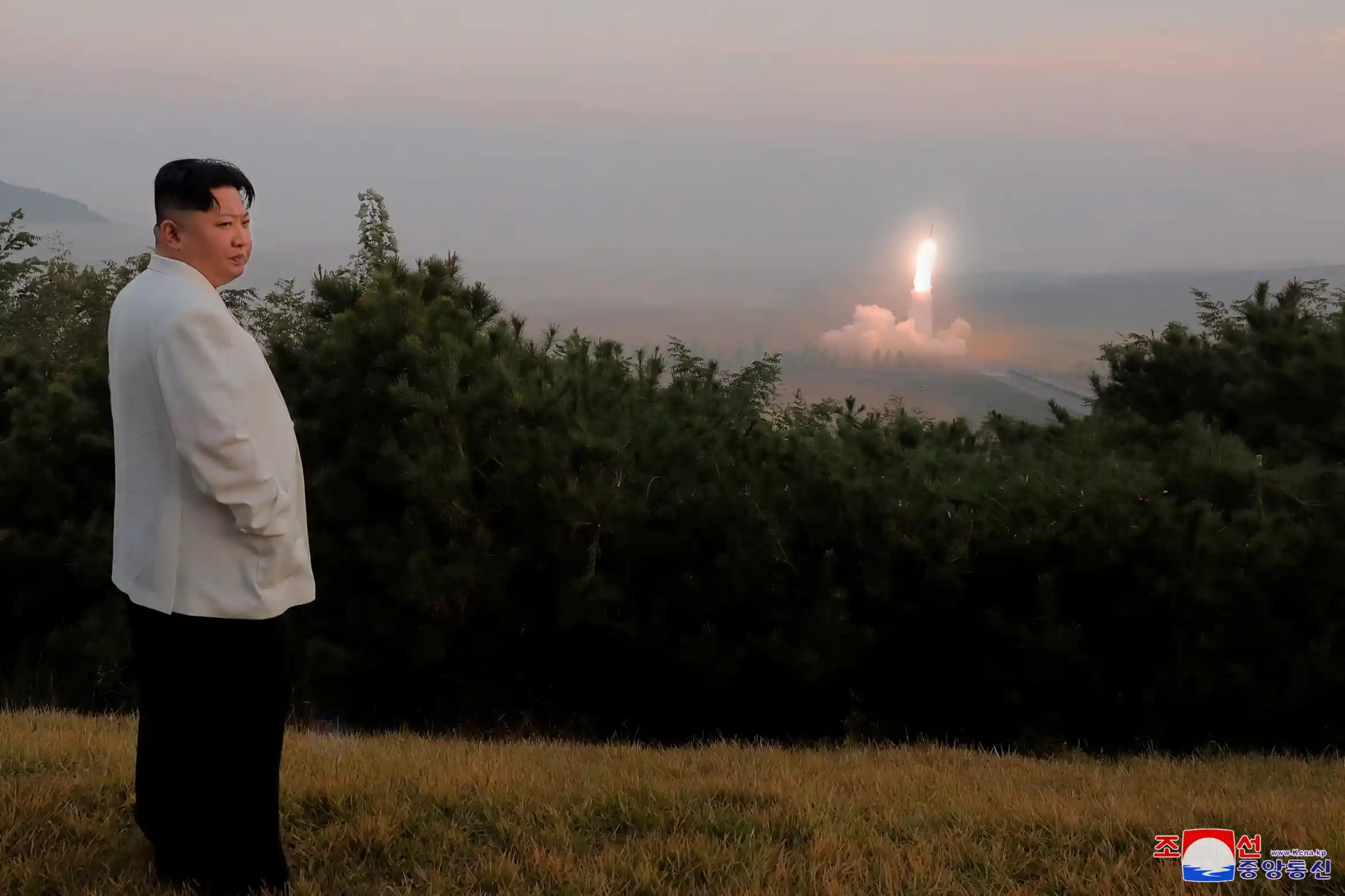
The regime of Kim Jong-un is currently the only country that conducts underground nuclear tests openly
His wife, Rong Yufang, also a seismologist, categorically rejected the accusations and stated that all of Chen's work was conducted openly and in collaboration with Chinese researchers.
''The claim that he engaged in espionage activities is incorrect and incompatible with the public and collaborative nature of all the work he has developed,'' she stated in a statement released by the organization Global Reach, dedicated to promoting the release of American citizens detained abroad.
According to Rong, the family decided to break the silence after realizing that there were no signs of a possible release by the Chinese government.
Additionally, she reported that during the first 13 months of detention, her husband was unable to meet with a lawyer and was interrogated more than a hundred times by authorities, circumstances that have sparked new criticism of the judicial system controlled by the Chinese Communist Party, frequently questioned by international human rights organizations due to the lack of procedural guarantees in cases considered sensitive for the regime.
Chen's wife stated that she has not been able to see her lawyer for over a year and raised concerns about his health status
Concern is also focused on the researcher's health. According to the Foley Foundation, another American organization dedicated to assisting citizens detained abroad, Chen suffers from diabetes, hypertension, and high cholesterol, conditions that require constant medical attention.
His wife assured that he has gone more than 600 days without being able to speak with him and fears that he is not receiving adequate treatment while incarcerated.
Other organizations also maintain that within the U.S. government there are suspicions that the arrest could be related to the Chinese authorities' interest in obtaining information about the methodologies used by the United States to detect clandestine nuclear tests.
They believe that Chen's expertise in advanced seismic monitoring systems could provide Beijing with useful information to develop mechanisms designed to hinder international detection of potential nuclear tests.
These suspicions arise in a context of increasing tensions between Washington and Beijing regarding the development of China's nuclear arsenal. Although the Xi Jinping regime rejected the accusations, U.S. intelligence services have long maintained that China is rapidly expanding its nuclear capabilities.
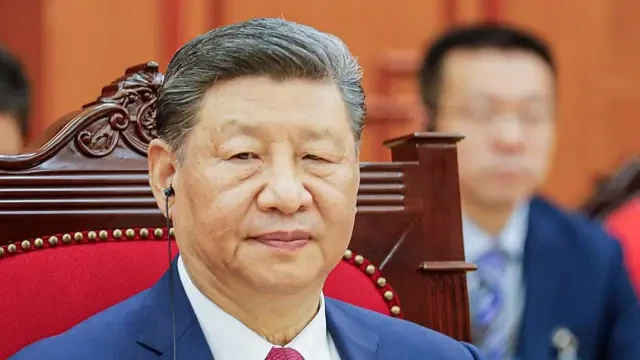
Several organizations have warned that Xi Jinping's regime uses arbitrary detentions to extract information to obtain insights into U.S. research methodologies
During President Donald Trump's first term, the United States even accused China of conducting covert underground nuclear tests at the Lop Nur facility in the northwest of the country. Beijing denied these allegations and labeled them as unfounded and politically motivated.
Chen's case has also raised concerns among U.S. lawmakers. Democratic Senator Edward Markey stated that the treatment received by the scientist severely harms academic cooperation between both countries and could discourage future international collaborations.
Markey expressed hope that greater public attention would help pressure the Chinese government to release the researcher.
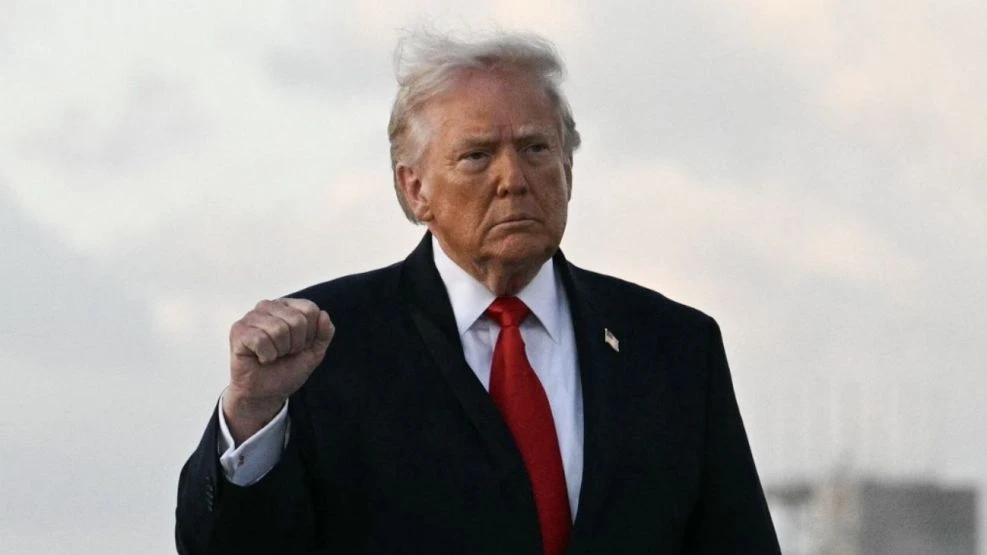
President Donald Trump has also accused Xi Jinping's regime of conducting underground nuclear tests
Chen's detention is not an isolated case. Just a month ago, Beijing confirmed the arrest of another American academic, Min Zin, director of a research center specializing in Myanmar, also accused of espionage and endangering Chinese national security.
The recurrence of such processes reinforces the criticisms from Western governments and human rights organizations, which denounce the increasingly frequent use of national security accusations by the Xi Jinping regime as a tool of political pressure, in a judicial system characterized by its lack of transparency and limited guarantees for the accused.