
La Derecha Diario logo
ESX logoInstagram logoYouTube logoTikTok logoFacebook
ARGENTINABOLIVIAECUADORISRAELMEXICOURUGUAYDERECHA DIARIO TV
  • ES
    XInstagramYouTubeTikTokFacebook
  • DERECHA DIARIO TV
  • Secciones
  • ARGENTINA
  • BOLIVIA
  • ECUADOR
  • ISRAEL
  • MEXICO
  • URUGUAY
  • Países
  • La Derecha Diario logoLA DERECHA DIARIO
  • La Derecha Diario México logoLA DERECHA DIARIO MÉXICO
  • La Derecha Diario Uruguay logoLA DERECHA DIARIO URUGUAY
  • La Derecha Diario Ecuador logoLA DERECHA DIARIO ECUADOR
  • La Derecha Diario Israel logoLA DERECHA DIARIO ISRAEL
  • La Derecha Diario Estados Unidos logoLA DERECHA DIARIO ESTADOS UNIDOS
  • Temas
  • GUERRA EN IRÁN
  • El Diario
  • QUIENES SOMOS
  • AUTORES
  • PUBLICIDAD
  • DONAR

Cuban perestroika: the regime announced the deepest pro-market reforms since the Revolution

Cuban perestroika: the regime announced the deepest pro-market reforms since the Revolution
Imagen de Editorial Team
porEditorial Team
Argentina

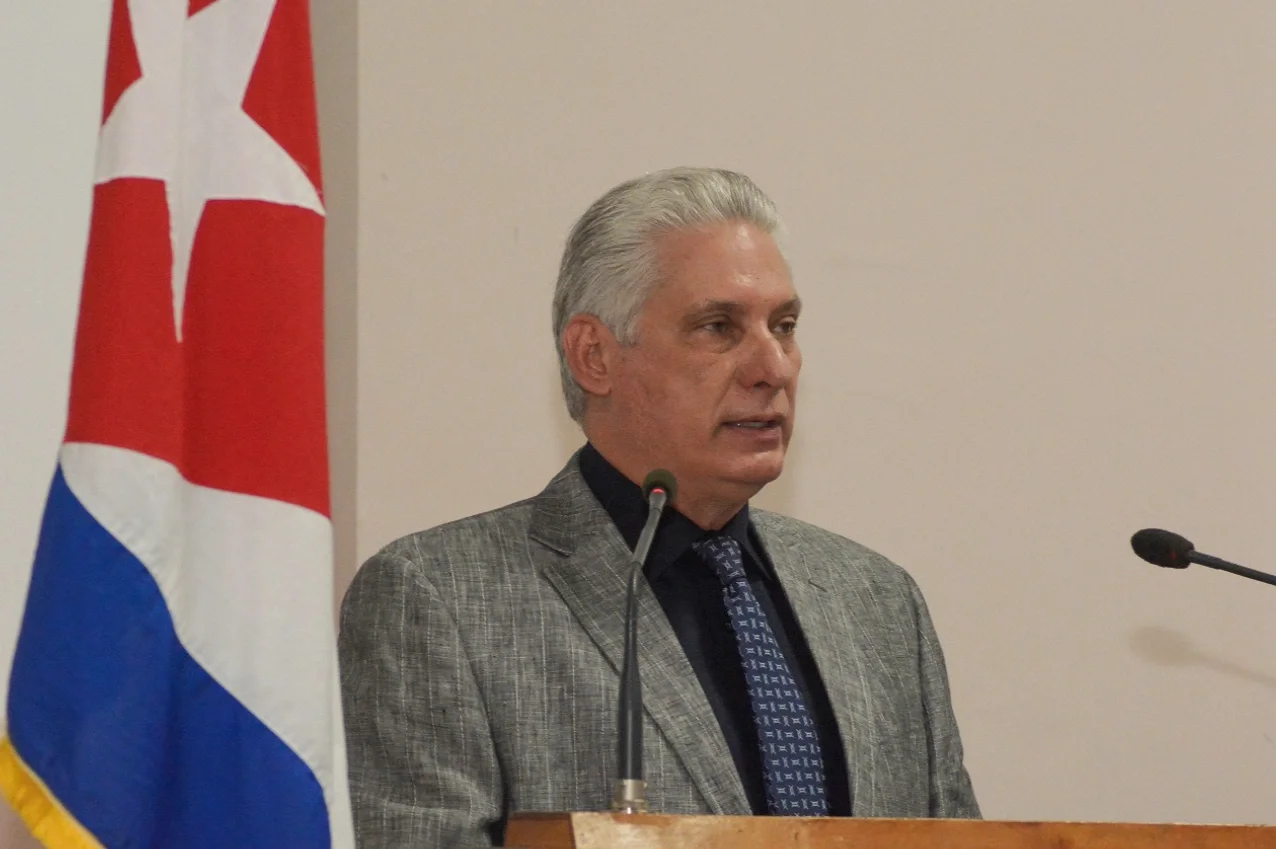
Miguel Díaz-Canel and Manuel Marrero presented a package of 176 economic reforms that open unprecedented spaces for the private sector, foreign investment, and market competition after years of economic crisis, scarcity, and isolation

NuevoAgregar La Derecha Diario en
Compartir:

In the midst of the worst economic and energy crisis Cuba has faced in decades, the regime of Miguel Díaz-Canel announced an ambitious package of 176 economic reforms aimed at introducing market mechanisms within the socialist system.

The initiative was presented by Prime Minister Manuel Marrero to the National Assembly and represents the most profound economic change driven by Havana since the triumph of the Revolution in 1959.

“Reality imposes urgent and necessary changes on us”, Díaz-Canel stated while defending the reform program.

The leader maintained that when the living conditions of the population deteriorate severely, the government's duty is not to explain the crisis but to modify what does not work.

Larger private companies and opening to foreign capital

Among the most relevant measures is the authorization for private companies to exceed the current limit of 100 employees, a restriction that has limited the growth of the entrepreneurial sector for years.

Additionally, the regime will allow for the first time that foreign capital invests directly in Cuban private companies, a possibility that until now was reserved exclusively for mixed companies controlled by the State.

It will also be made possible for the same person to own more than one private company, and the conditions for salary negotiations within companies will be relaxed.
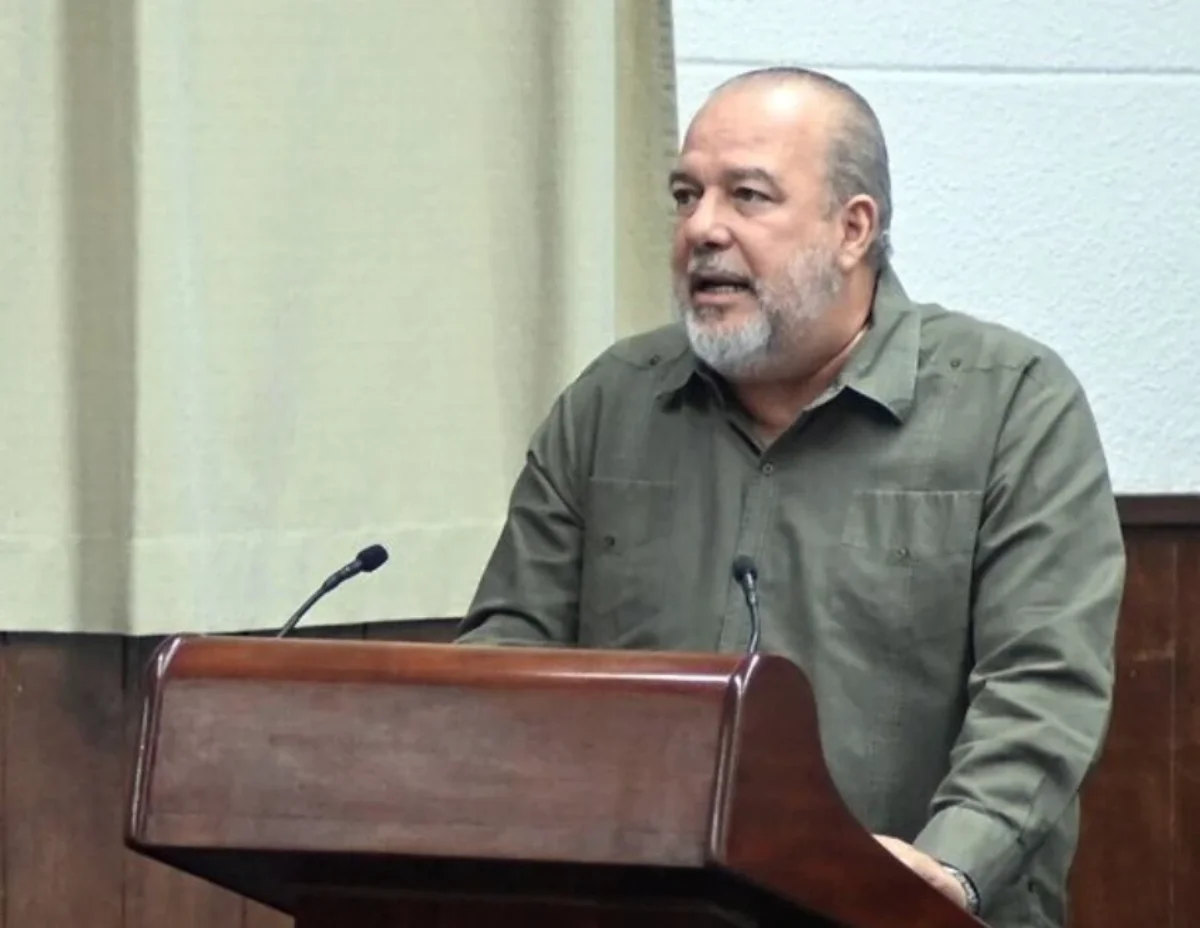
Prime Minister Manuel Marrero

Transformation of state-owned enterprises

Another of the most significant changes will be the conversion of numerous state-owned enterprises into joint-stock companies, a structure closer to the models used by China and Vietnam during their economic opening processes.

The measure aims to provide these companies with greater management autonomy and improve their operational efficiency in a context where a large part of the state productive apparatus accumulates chronic losses.

Agriculture, tourism, and banking among the benefited sectors

The reforms will reach some of the sectors most affected by the crisis.

Among the areas that will receive higher levels of opening are:

  • Agriculture

  • Tourism

  • Banking system

  • Currency market

  • Foreign investment

  • Foreign trade

  • The government also promised to relax access to land, facilitate the acquisition of inputs, and grant more freedom to producers to market their harvests.

    China and Vietnam as models

    Díaz-Canel acknowledged that the design of the program took as a reference the experiences of China and Vietnam, two communist regimes that incorporated market mechanisms without abandoning the political control of the Communist Party.

    The mention reflects Havana's intention to partially replicate models that allowed those countries to experience decades of economic growth without renouncing political monopoly.

    An implicit recognition of economic failure

    For numerous analysts, the announcement also constitutes an implicit recognition of the limitations of the Cuban economic model.

    Daniel Torralbas, a Cuban economist based in London, stated that this is “the deepest economic reform program announced in the last 70 years of the country’s economic history”.

    The measures come after years of inflation, massive blackouts, a decline in agricultural production, fuel shortages, and a growing emigration of Cuban citizens.

    Although the concrete implementation of the reforms is still to be known, the announcement marks a turning point for an economy that for decades remained closed to much of the market dynamics that the regime now considers necessary for survival.


    La Derecha Diario logo
    TwitterInstagramYouTubeTikTokFacebook
    Derecha Diario TV

    Nosotros

    • Quienes Somos
    • Autores
    • Donar

    Privacidad

    • Protección de datos
    • Canales
    • Sitemap
    • RSS

    Contacto

    • info@derechadiario.com.ar
    PUBLICIDAD

    Noticias relacionadas

    The US government confirmed that Fauci funded the Wuhan laboratory, the origin of COVID

    The US government confirmed that Fauci funded the Wuhan laboratory, the origin of COVID

    Israel and Hezbollah agreed to a ceasefire in Lebanon following pressure from the US and Iran

    Israel and Hezbollah agreed to a ceasefire in Lebanon following pressure from the US and Iran

    JD Vance urged the Cuban regime to make "smart decisions" in talks with Washington

    JD Vance urged the Cuban regime to make "smart decisions" in talks with Washington

    Milei conquers Paris and leaves Kirchnerism trapped in its own past

    Milei conquers Paris and leaves Kirchnerism trapped in its own past

    Documents have been declassified that prove Fauci funded the laboratory in Wuhan where the coronavirus outbreak began

    Documents have been declassified that prove Fauci funded the laboratory in Wuhan where the coronavirus outbreak began

    A woman who had been wanted in Buenos Aires for 11 years has been found in Chaco

    A woman who had been wanted in Buenos Aires for 11 years has been found in Chaco