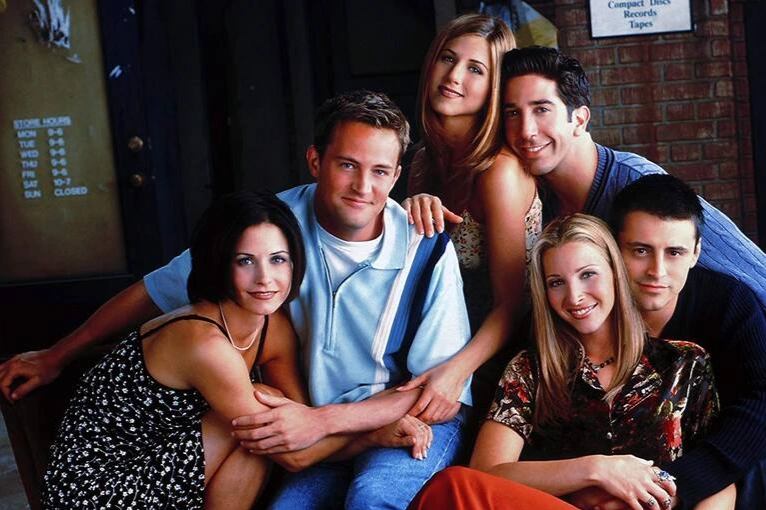
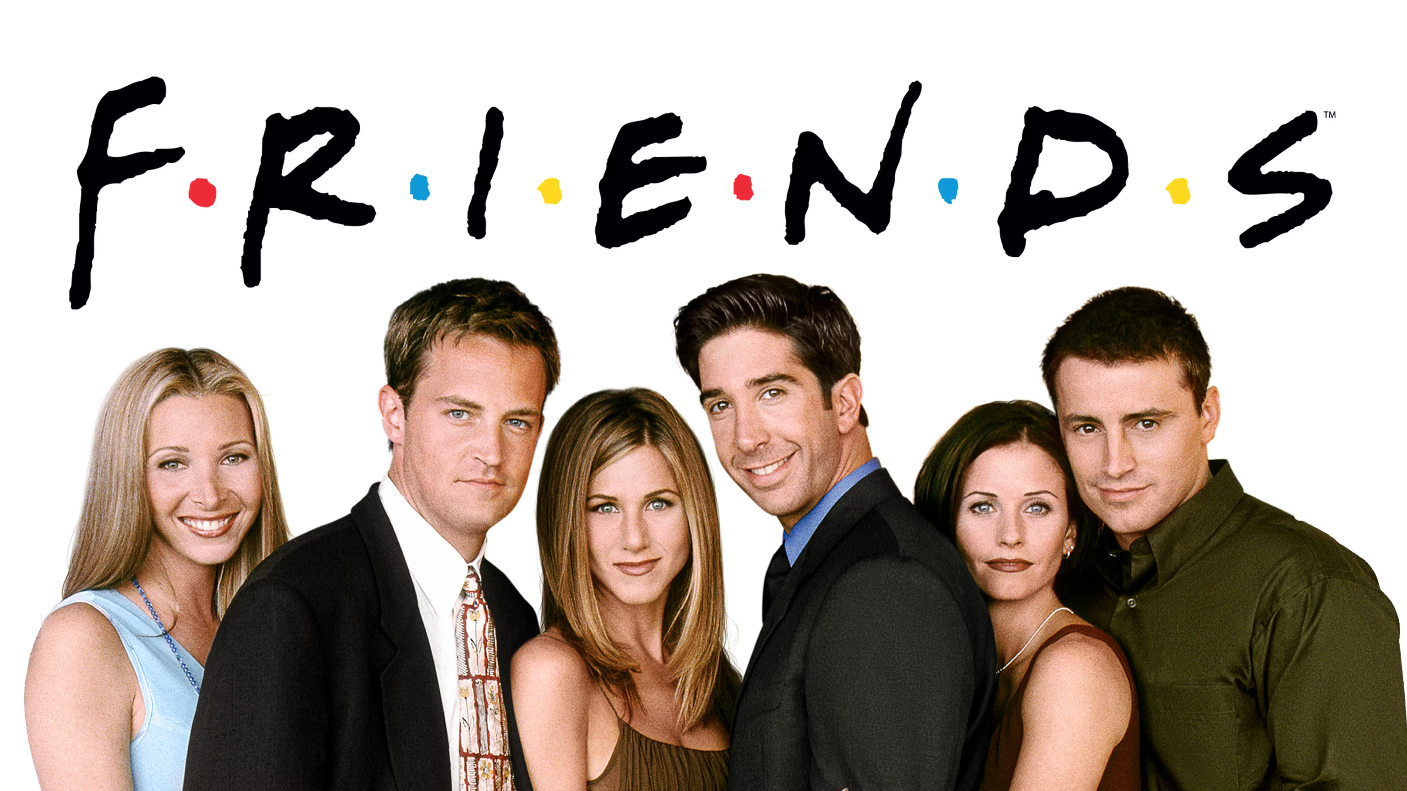
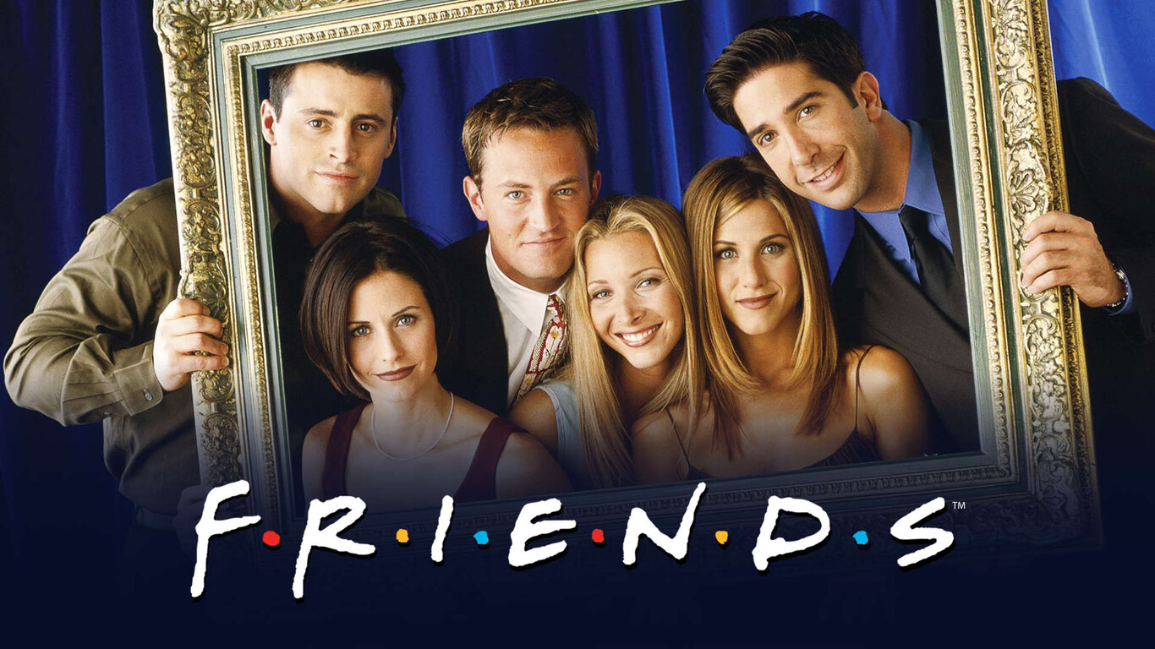
More than two decades after the last episode, the protagonists of Friends continue to generate millions of dollars thanks to royalties and the sustained success of the sitcom around the world.
When it debuted in 1994, the main cast — Jennifer Aniston, Courteney Cox, Lisa Kudrow, Matt LeBlanc, Matthew Perry and David Schwimmer — was virtually unknown. However, the immediate success of the series catapulted them to worldwide fame and made their contracts historic within
the industry.
In the first season, each one charged around $22,500 per episode. With the growth of the phenomenon, they managed to negotiate together to reach one million dollars per episode in the last two seasons, an unprecedented milestone at the time
.
Millionaire royalties that don't stop
The real deal began after the series ended. Thanks to agreements for broadcasting and broadcasting rights, the protagonists continue to receive millions of dollars every year. As it turned out, each of the five actors who are still alive receives around 20 million dollars annually in royalties
.
This sustained income is explained by the enormous popularity that the series maintains worldwide. Friends is not only still one of the most watched productions, but also one of the most reproduced on digital platforms, which guarantees a constant flow of income for its protagonists
.
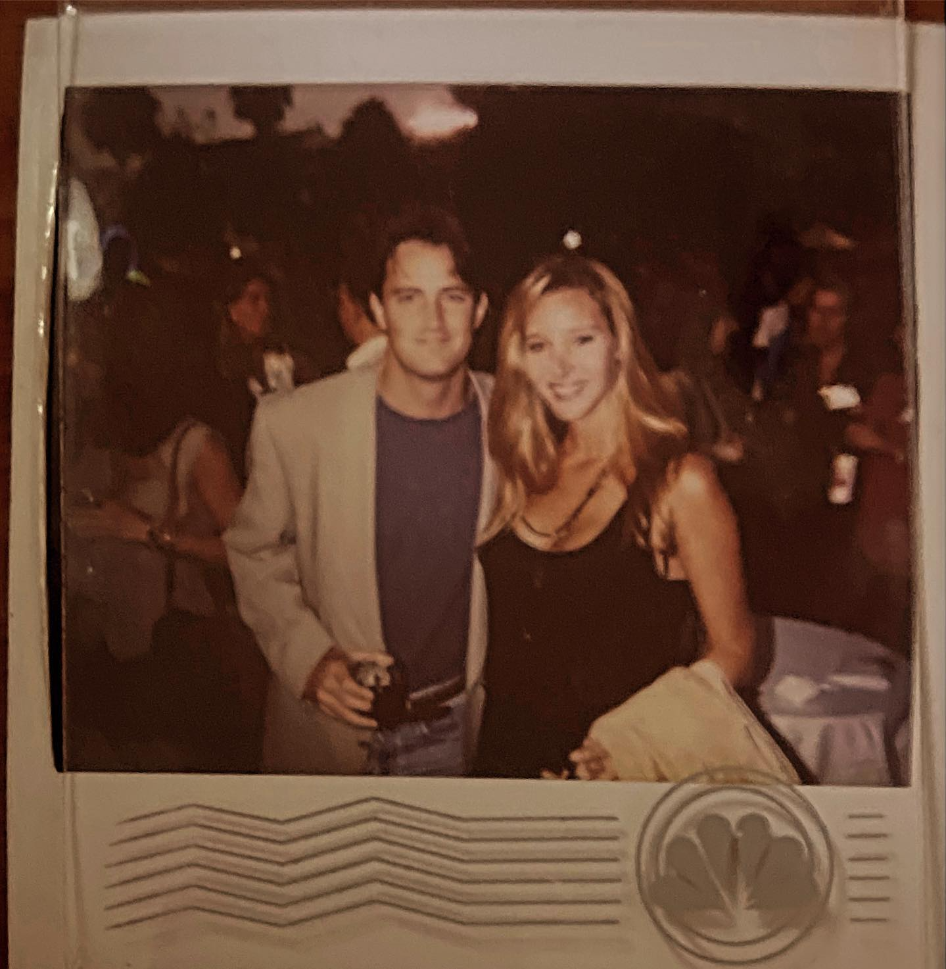
In an interview with The Times, Lisa Kudrow—who played Phoebe Buffay—reflected on the impact of the series and her personal experience following the death of her
partner Matthew Perry.
“After his death, I watched the show again. Before, I only saw what I had done wrong, but for the first time I really appreciated how great it was,” he confessed.
The actress also recalled the pressure of recording in front of a live audience, where every mistake could be noticed. “If you made a mistake with a line or didn't achieve the expected reaction, there was a lot of pressure. It was intense,” he explained.
Despite these demands, Kudrow highlighted the value of the project: “There was a genius at work. And whatever we do in the future, we'll never experience anything like that again