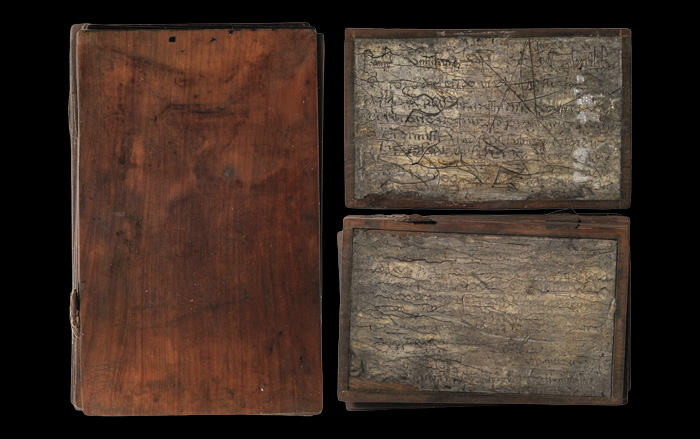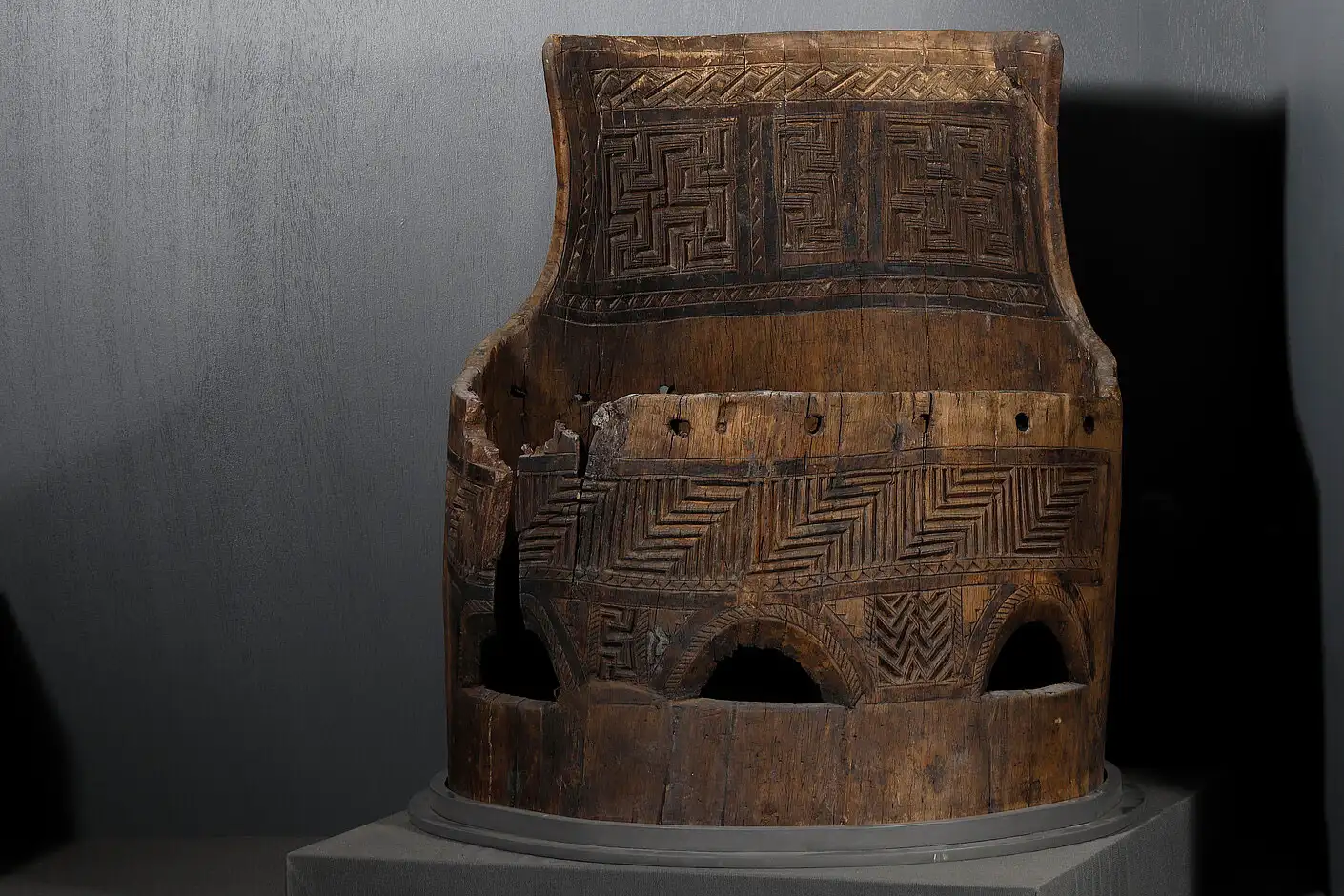







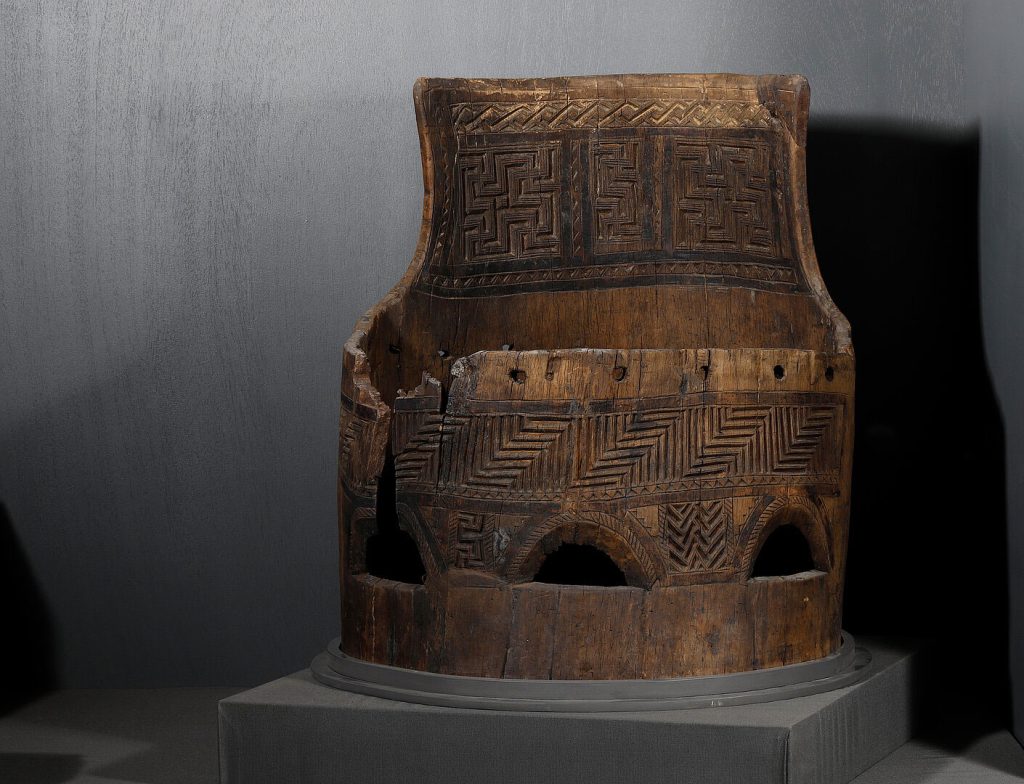
Researchers from the University of Kiel analyzed the remains of a man buried in a ship during the 5th century AD in the cemetery of Fallward, near Cuxhaven, on the German North Sea coast and at the mouth of the Elbe River. The find, preserved by the site's moist soil, included wooden, ceramic, and metal objects, among them a chair carved from the trunk of an alder and a late Roman military belt. These elements already suggested that the individual was not local.
Genetic analyses confirmed that the man came from the Danube region and had links to Southeast Europe and the Mediterranean. Daniel Myburgh from the Institute of Clinical Molecular Biology noted that the tests demonstrate his origin from that area. Additionally, specialists detected that he was infected with a very rare leprosy pathogen. This is the first individual of this group identified in Europe.
This form of the disease was known in Egypt between the 4th and 2nd centuries BC, but until now it had not appeared in Central or Northern Europe. The discovery expands the historical map of leprosy and raises new questions about the movements of people and pathogens in Late Antiquity.
Almut Nebel, also from the same institute, explained that leprosy is a chronic disease that can take years to show clear symptoms. In this case, the man showed no bone damage. He may have suffered from an asymptomatic form or the infection may have only affected soft tissues up to the time of his death.
A possible mercenary or long-distance trader
The researchers conclude that the man may have been a mercenary in the Roman army who settled near the North Sea or a trader traveling along extensive routes. The military belt and the objects of distant origin reinforce the idea of long-distance contacts at that time.
The cemetery of Fallward stands out for its preservation conditions that allowed for the recovery not only of human remains but also of organic elements that usually disappear. The alder chair and other wooden objects provide an unusual view of the material culture associated with these ship burials.