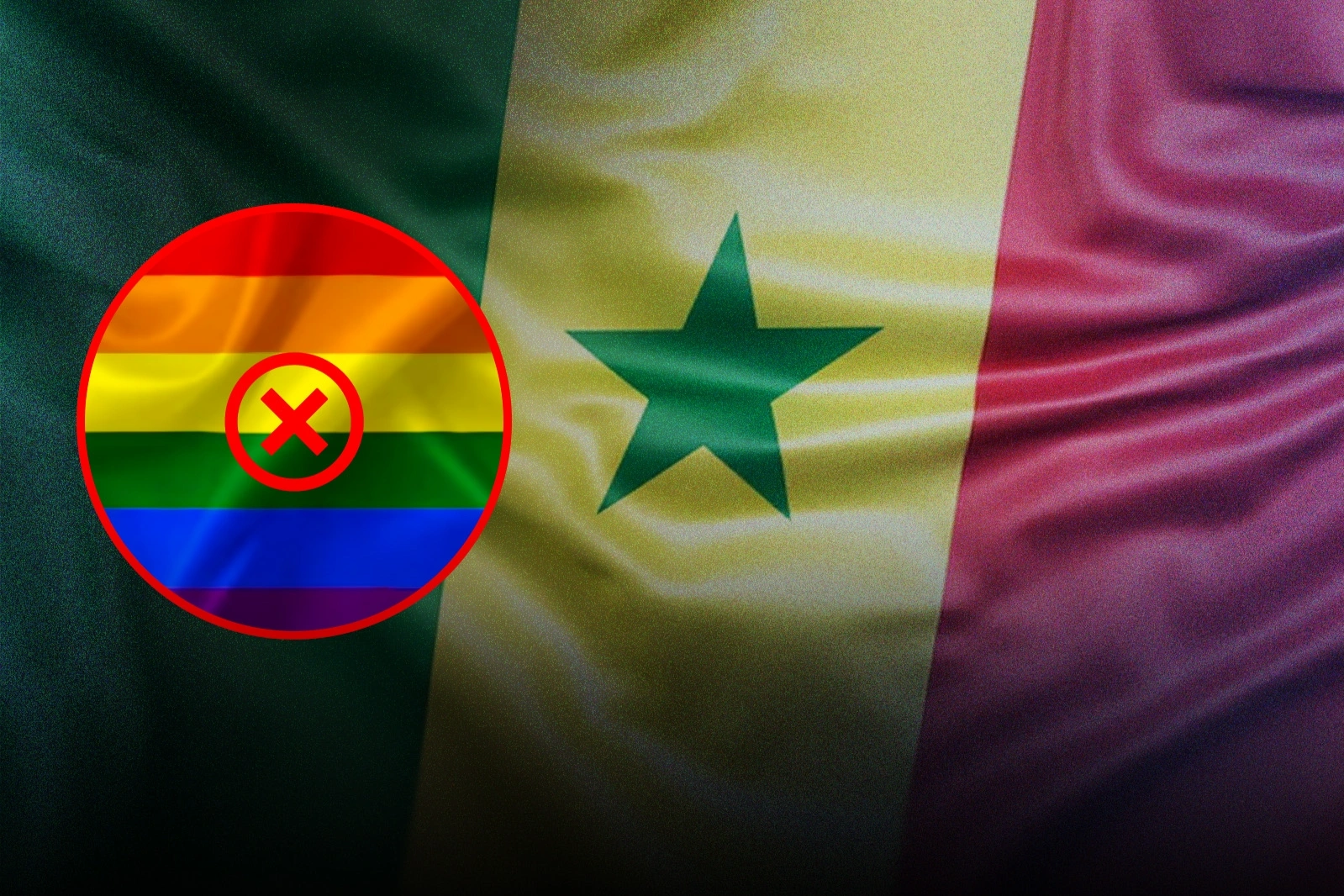

The Islamic regime in Senegal increased penalties against homosexuality

The Islamic regime in Senegal increased penalties against homosexuality

The Senegalese Congress voted in favor of a greater judicial penalization of any type of public or private homosexuality

Share:

Senegal passed a law that toughens penalties against same-sex relationships, reignited the international debate on individual rights and the role of the Islamic religion in public life.

The measure, backed by a large parliamentary majority, increases sentences to between five and ten years in prison, and incorporates sanctions against those who promote or defend sexual diversity.
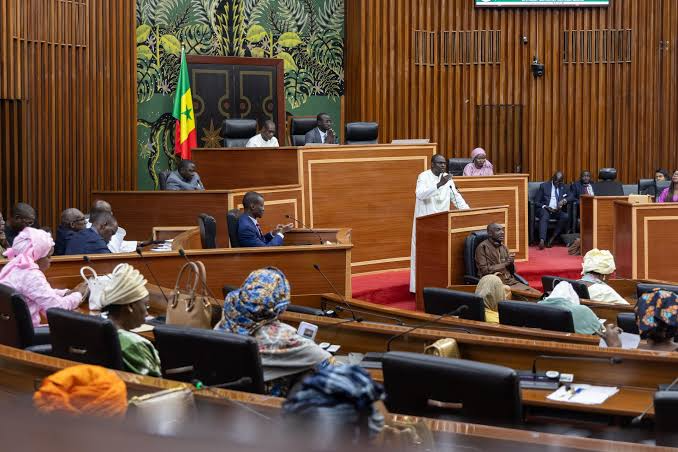
The Senegalese Congress voting for the anti-LGBT law

Far from representing an advance, reform is seen in much of the West as a setback in terms of civil liberties. While countries in Europe and America have made progress in protecting rights for sexual minorities, Senegal and other Islamic nations seem to consolidate a restrictive approach that limits the private sphere of their citizens and their freedoms

.

The weight of Islamic religious traditions continues to be a determining factor in this type of decision. In Senegal, where religion occupies a central place in social and political life, conservative sectors have strongly influenced the drafting and approval of the law

.

This situation reopens a broader discussion about the moral struggle between West and East over the conflict of internationally recognized individual rights.
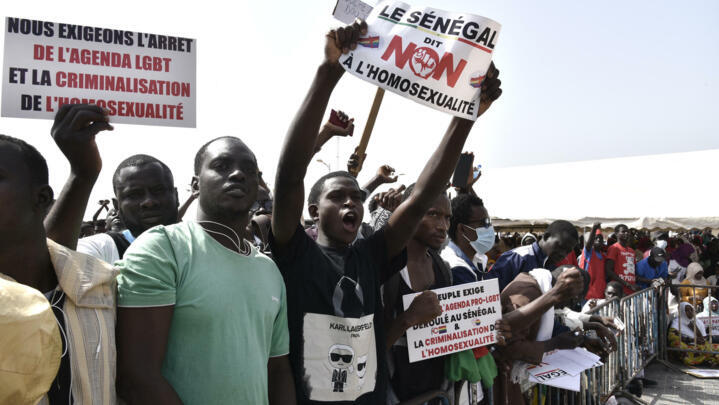

Protest in Senegal against homosexuality
Human rights organizations have warned that the regulations not only criminalize private conduct, but also promote a climate of persecution.

They point out that ambiguity in concepts such as “promotion” can lead to abuse, arbitrary complaints

and greater stigmatization.

From a Western perspective, the case of Senegal illustrates a persistent tension between models of society. On the one hand, those who prioritize individual freedom and equality before the law; on the other, those who maintain regulatory structures influenced by cultural and religious traditions

.

The international community notes with concern the course taken by the African country. Beyond local peculiarities, the debate transcends borders and poses a key question: How far does Islamic ideology go when it comes to individual rights

?