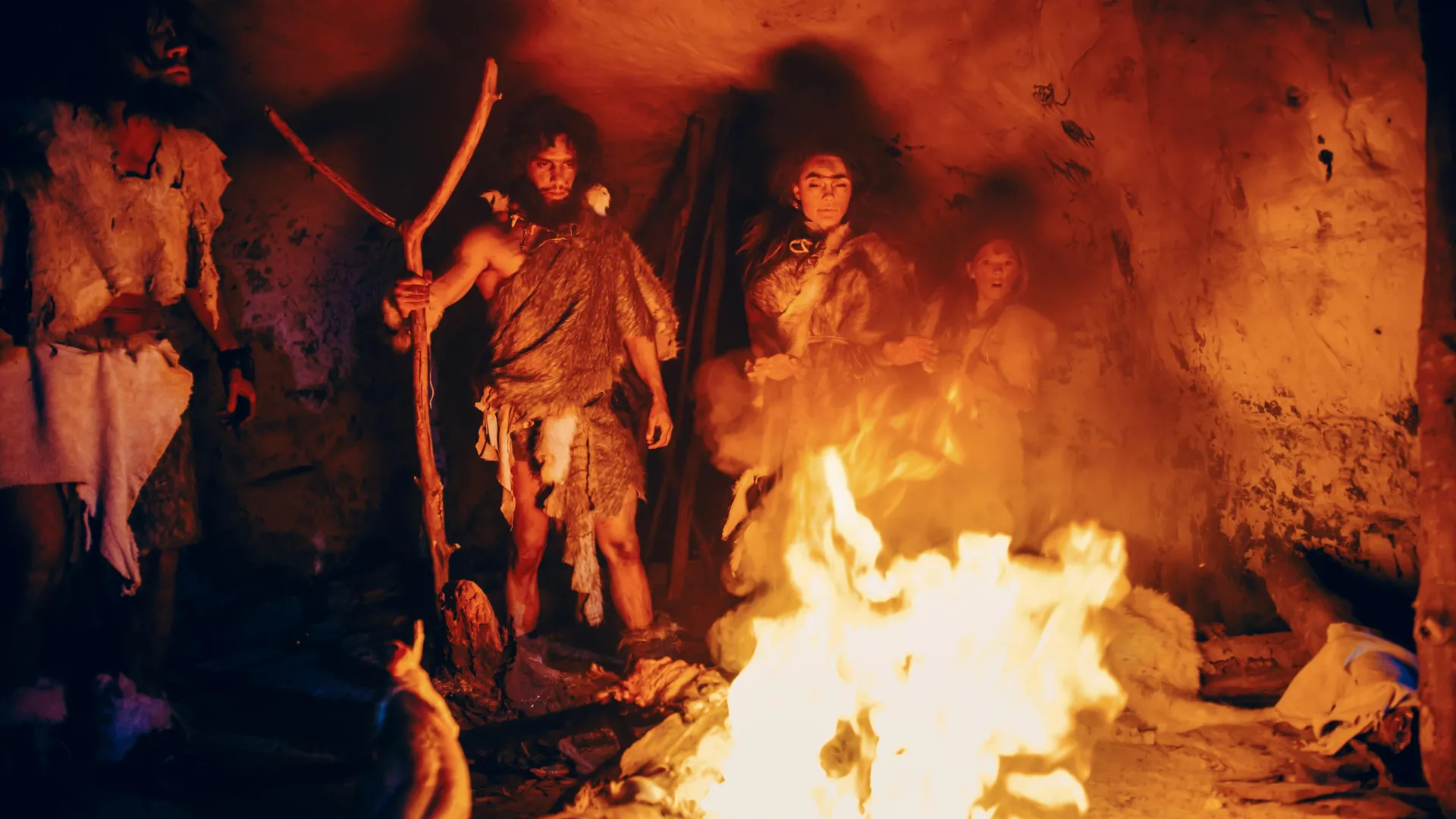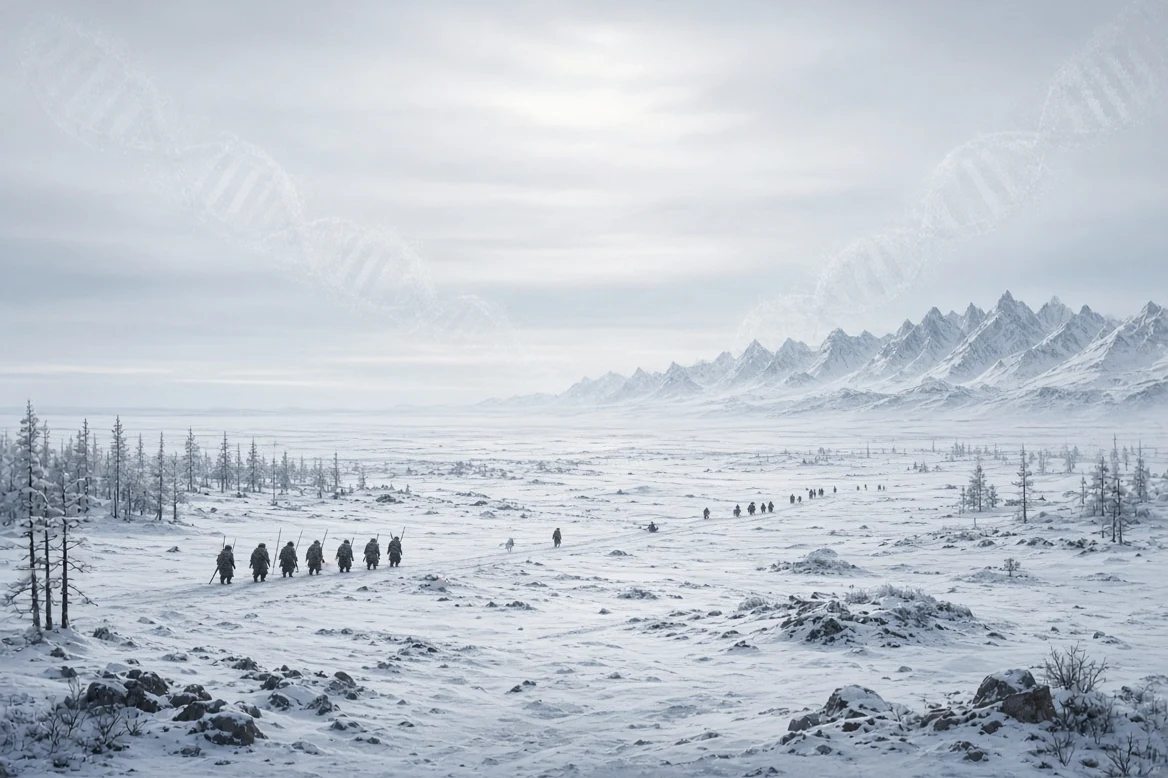







More than 30,000 years ago, human groups inhabiting Europe during the Ice Age maintained much broader connections than previously thought. An international team led by the University of Vienna analyzed ancient DNA from human remains and cave sediments, finding evidence of gene flow across enormous distances. The results, published in Science Advances, challenge the idea that populations in the eastern and western parts of the continent lived in isolation.
The work focuses on communities associated with the Gravettian culture, which spread across Europe between about 34,000 and 25,000 years ago. Until now, archaeology suggested long-distance contacts, but genetics pointed to fairly separate lineages. By combining new data with previous information, researchers detected greater interconnection and, at the same time, the persistence of certain lineages in southwestern Europe for millennia.
One of the most revealing findings comes from the remains of a woman who lived about 30,000 years ago in the Isturitz cave in southwestern France. Her genome is the oldest broad-range one obtained so far from a modern human in that region. Although most of her ancestry is linked to western populations, she also carried genetic components associated with groups from central and eastern Europe.
Models indicate that this mixing occurred approximately between 32,500 and 31,500 years ago. “Our results show that the eastern and western populations of Europe were not as genetically isolated as previously assumed,” said Pere Gelabert, the study's first author and a member of the Department of Evolutionary Anthropology at the University of Vienna. A similar genetic signature appeared in another individual previously analyzed in Ormesson, also in France, reinforcing the possibility that Isturitz served as a meeting point between different groups.