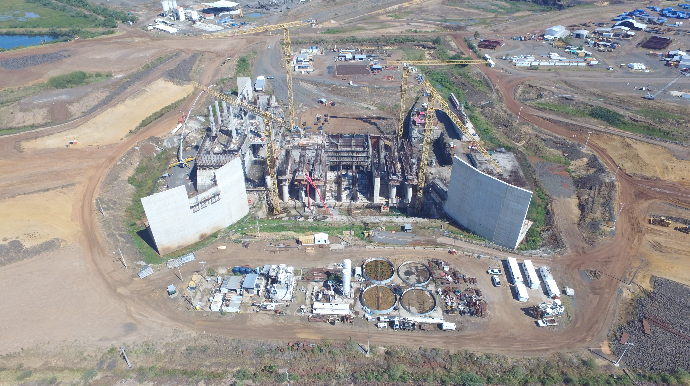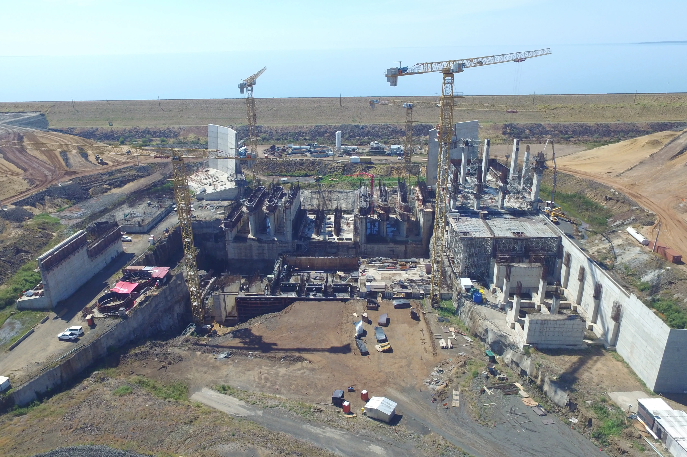

The expansion of the Yacyretá Hydroelectric Complex through the mechanization of the Aña Cuá arm is progressing as one of the main energy projects under development in the country.
The project will add approximately 270 megawatts (MW) of installed capacity, which represents about a 10% increase over the current capacity of the plant.
In a scenario marked by the growth of electricity demand, this addition aims to strengthen the Argentine Interconnected System with renewable, firm, and base energy. Thus, the goal is to improve supply security and reduce dependence on thermal sources.
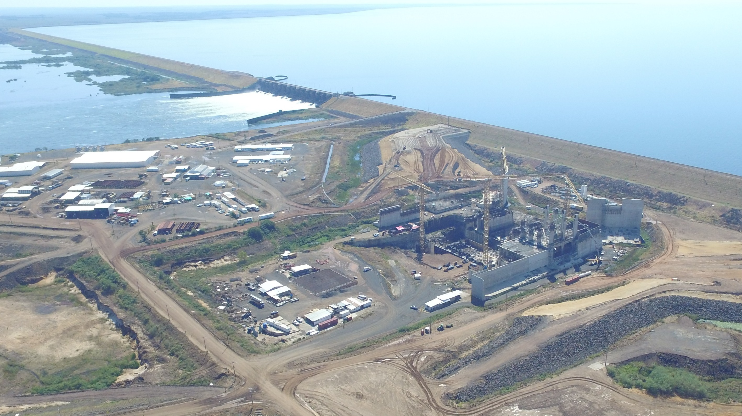
The Works
Currently, the works are being developed on different fronts related to the future hydroelectric plant. Among the ongoing tasks are earth movements for the construction of closure dams, reinforced concrete tasks such as rebar bending, formwork, and pouring, and rockfill processes. In parallel, preliminary interventions have begun for the future removal of the existing dam in the area.
Specific technical tasks are also advancing, such as drilling for waterproofing injections, installation of monitoring instruments, and preparations for the execution of high plastic concrete screens, essential to ensure structural stability.
The Yacyretá Complex currently produces around 19,000 GWh annually and is one of the main energy generators in the country. With the incorporation of Aña Cuá, not only will the available capacity increase, but it will also optimize the use of water resources by utilizing a flow that is currently not used for electricity generation.
The project includes the installation of three Kaplan-type turbines and the construction of a new plant on the Aña Cuá arm of the Paraná River.