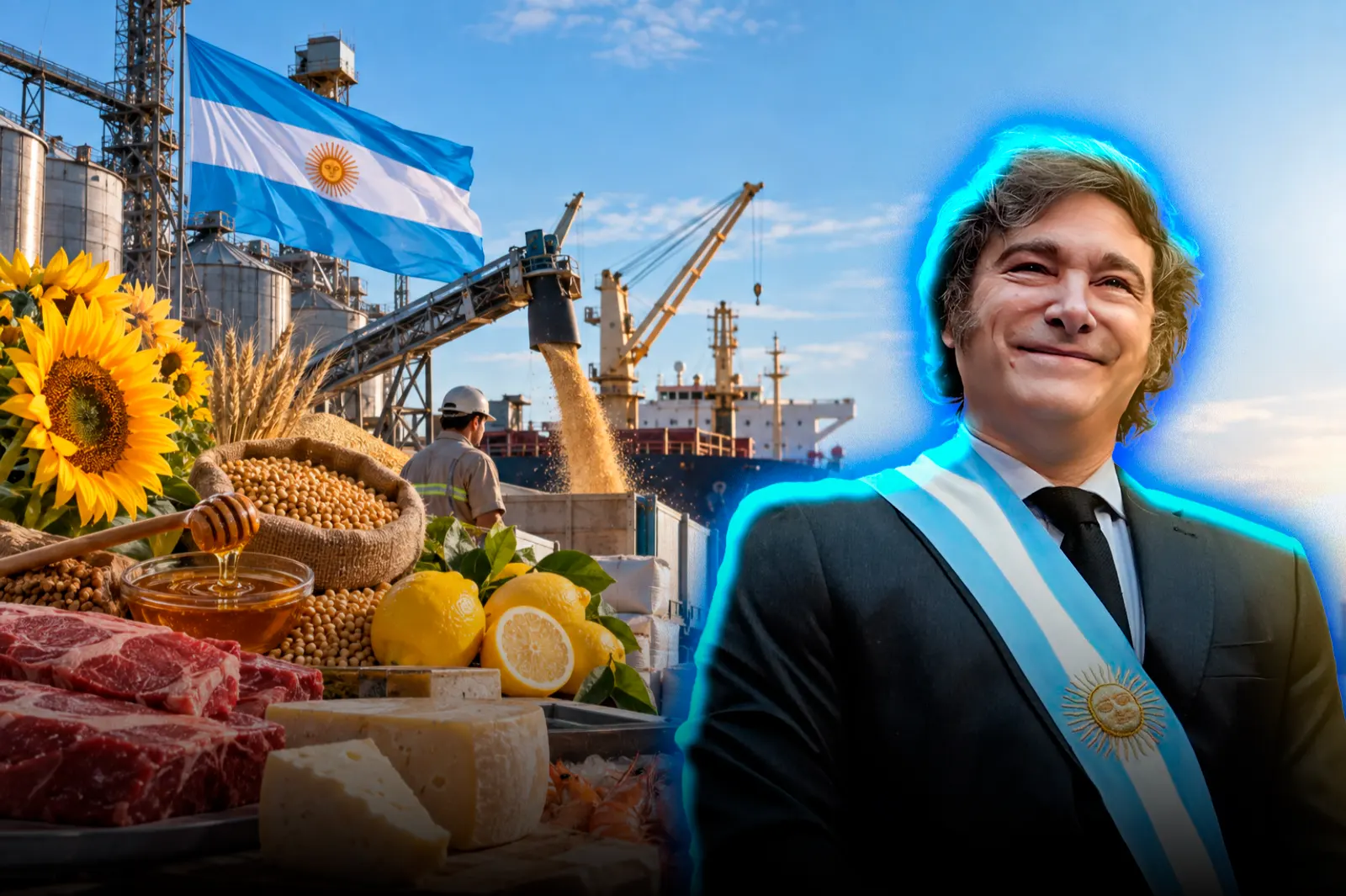

The economic direction implemented by the administration of Javier Milei has begun to yield its most significant results in the productive engine of the Nation. In a framework of strict fiscal order and market opening, agro-industrial exports recorded a new historical record in the first 8 months of the year. Between January and August 2026, shipments abroad reached an astronomical total of 84.26 million tons with an accumulated value of USD 37.525 billion (or US$ 37.525 billion).
According to official data processed by the Subsecretariat of Agro-Food Markets and International Insertion based on INDEC and disseminated by the Secretariat of Agriculture, Livestock, and Fisheries of the Ministry of Economy of the Nation, this historical performance represents a solid year-on-year growth of 10% in exported volume and an impressive increase of 13% in the total invoiced value compared to the same period of the year 2025.
This dizzying sales pace to 135 markets distributed globally allowed 126 agro-industrial products to reach the highest export amounts of the entire decade, reaffirming the predominant role of the Argentine agro-industry as a reliable food supplier worldwide. Exports show a permanent month-to-month growth that consolidates the presence of national production on all five continents.
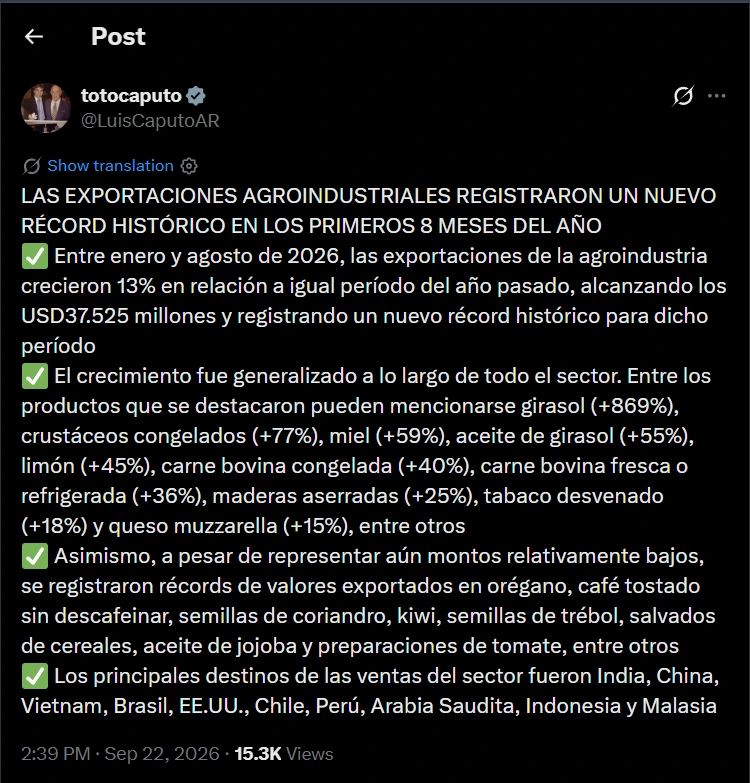
The confirmation of this milestone of market freedom was communicated directly by the Minister of Economy, Luis "Toto" Caputo, on September 22, 2026 through his account on the social network X. In his institutional message, the Minister of Economy praised the competitiveness regained by the Argentine private sector:
"AGRO-INDUSTRIAL EXPORTS RECORDED A NEW HISTORICAL RECORD IN THE FIRST 8 MONTHS OF THE YEAR". Furthermore, the official Luis Caputo emphasized the technical solidity of the productive recovery: "Between January and August 2026, agro-industrial exports grew 13% compared to the same period last year, reaching USD 37.525 billion and registering a new historical record for that period".
The Minister of Economy concluded by stating that the boost was not an isolated event, but the result of deep structural reforms: "The growth was widespread throughout the entire sector".

When analyzing the specific sectors, the liberalization of foreign trade unleashed exponential increases in the main exporting sectors:
Sunflower: Recorded the most spectacular jump of the period with a growth of +869%, reaching USD 623 million exported.
Sunflower oil: Achieved sales of USD 1.842 billion, with an increase of +55%.
Beef, boneless, frozen: Totaled USD 1.889 billion, experiencing a rise of +40%.
Beef, boneless, fresh or refrigerated: Generated USD 1.051 billion, noting an increase of +36%.
Frozen crustaceans: Reached USD 756 million, with an expansion of +77%.
Honey: Contributed USD 223 million, registering a growth of +59%.
Lemon: Completed shipments of USD 203 million, rising by +45%.
Mozzarella cheese: Contributed USD 183 million, showing an advance of +15%.
Unstemmed tobacco: Generated USD 158 million, with an increase of +18%.
Sawn timber: Added USD 107 million, registering a rise of +25%.
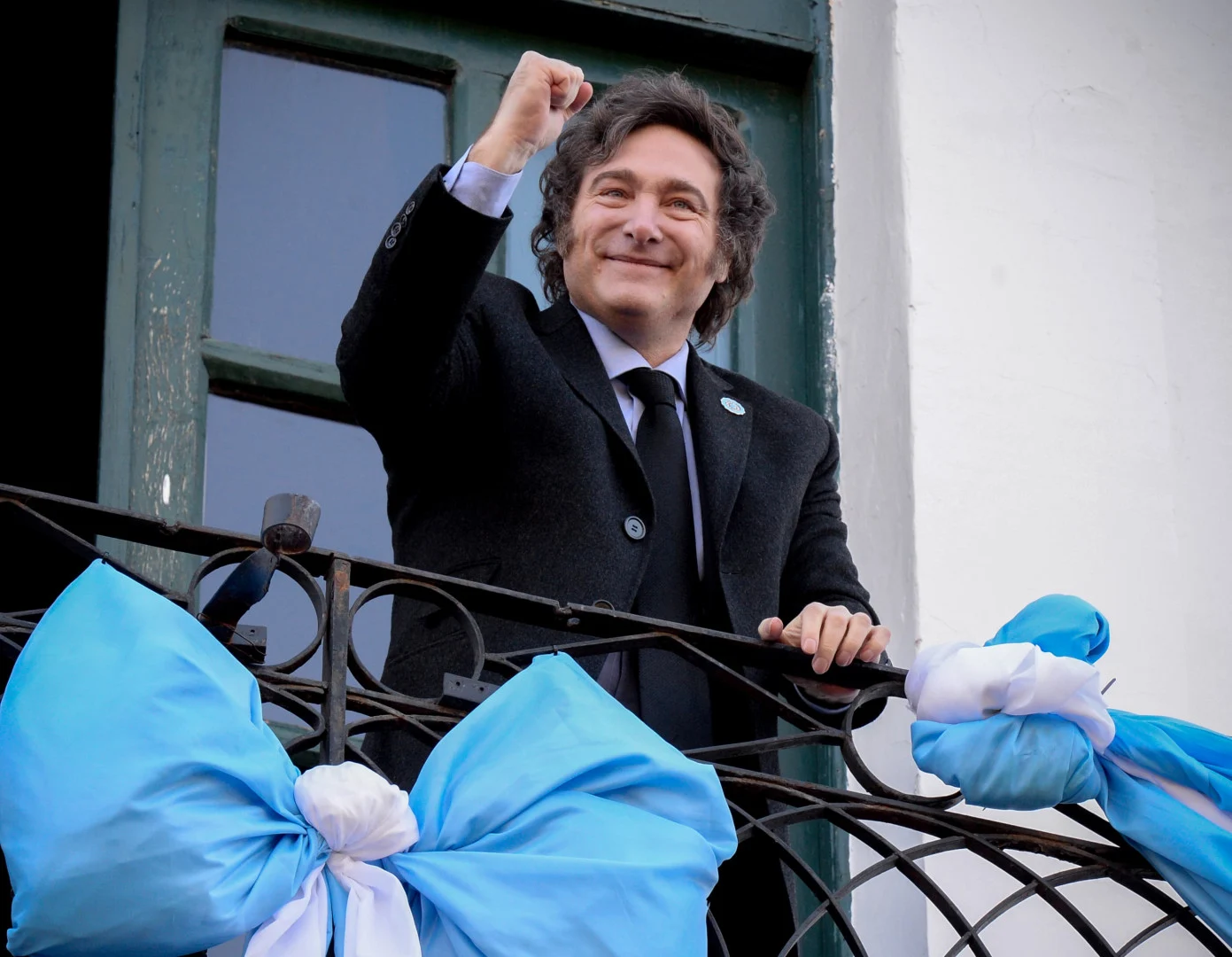
The new business climate driven by President Javier Milei not only favored large commodities but also unleashed historical records of exported value in a wide variety of regional and niche products that, while still managing moderate absolute amounts, demonstrated the dynamism of market forces:
Oregano.