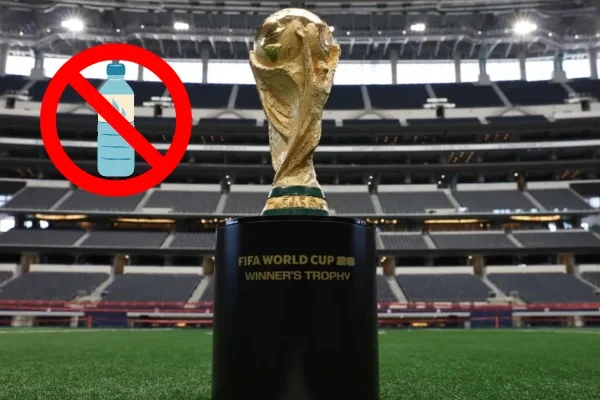
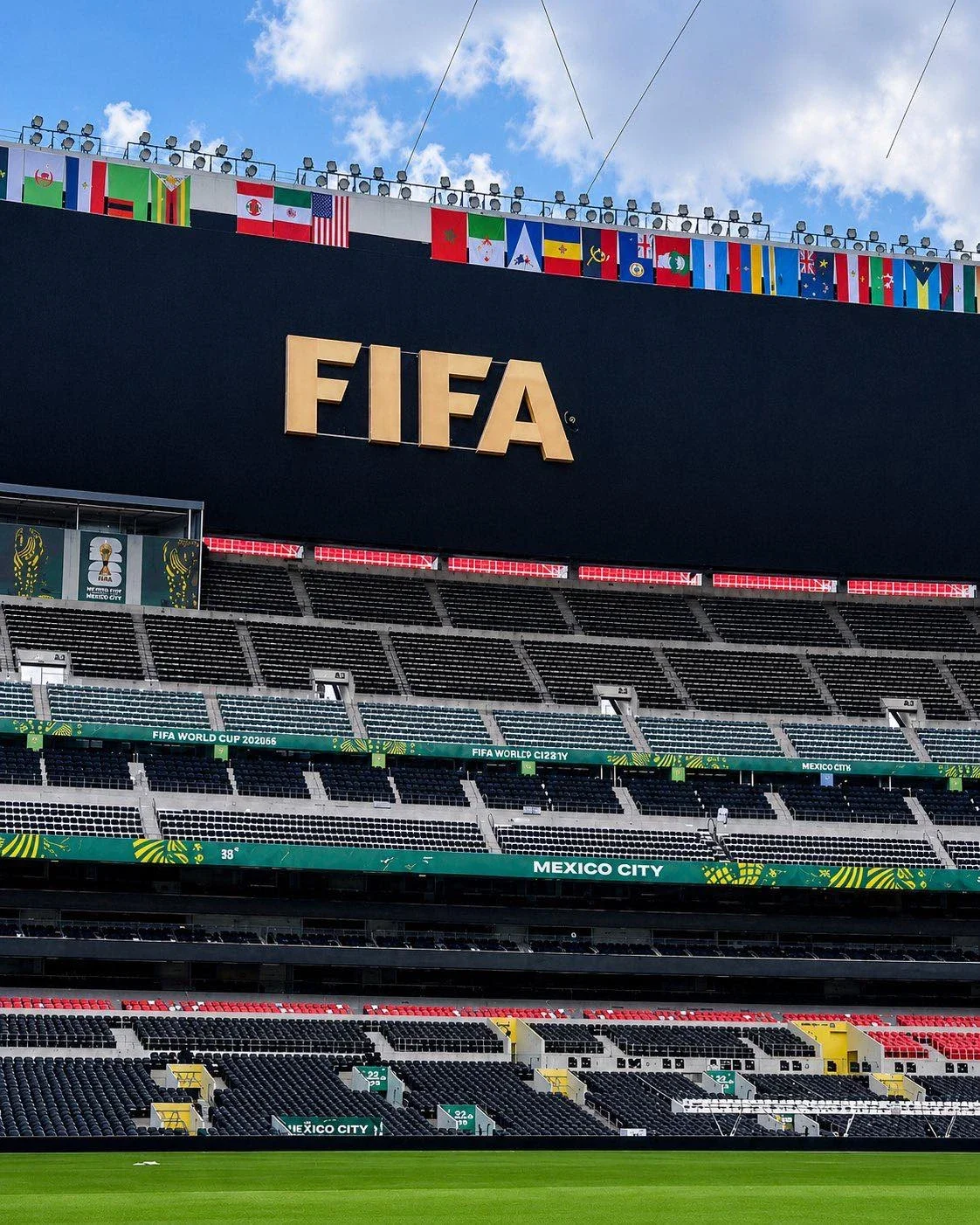
In the lead-up to the start of the 2026 World Cup, the FIFA announced a modification to the stadium access rules that did not go unnoticed among fans. The organization confirmed that it will be prohibited to enter with reusable bottles at any of the 16 venues that will host matches of the World Cup in the United States, Mexico, and Canada.
The update is part of the new Code of Conduct for stadiums and represents a change from the regulations in effect until a few weeks ago. Previously, spectators could enter with transparent and reusable containers of up to one liter capacity, as long as they were empty. With the new provision, that possibility has been eliminated.
FIFA explained that the decision is based on safety criteria and the need to unify the rules across all tournament venues. According to the organization, several of the stadiums already had similar restrictions, and it was decided to establish a common policy for all matches of the competition.
Fans will not be allowed to enter the 16 World Cup stadiums with water bottles.
In this way, fans will only be able to consume beverages purchased inside the venues and will only be allowed to bring personal items that are not specifically restricted by the security regulations. Meanwhile, the supply of water, soft drinks, and juices will be managed by the official event concessionaires.
The measure comes amid concerns about the weather conditions expected for the tournament. Various forecasts anticipate days with temperatures exceeding 32° in some host cities, especially in outdoor stadiums during the summer months in the northern hemisphere.
In light of this scenario, the organization assured that it will implement different mechanisms to facilitate the hydration of attendees. Among them are free water stations, cooling zones, industrial fans, misting systems, and tents specially equipped to mitigate the heat.
FIFA will provide a hydration mechanism in the stadiums.
However, the prohibition has raised questions among fan groups and public health specialists. Some sectors believe that preventing the entry of reusable containers contradicts common recommendations for dealing with extreme heat and makes it difficult to have constant access to water during long days in the stadiums.
The criticisms also recall recent experiences in tournaments held in North America, where high temperatures caused issues for thousands of spectators. In this regard, various organizations have called for additional guarantees to ensure that free hydration is sufficient and easily accessible.
Beyond the objections, FIFA reaffirmed that controls will be strict from the first match of the competition and that attendees must comply with the new security provisions, which will be applied uniformly across all venues of the most important tournament in international football.