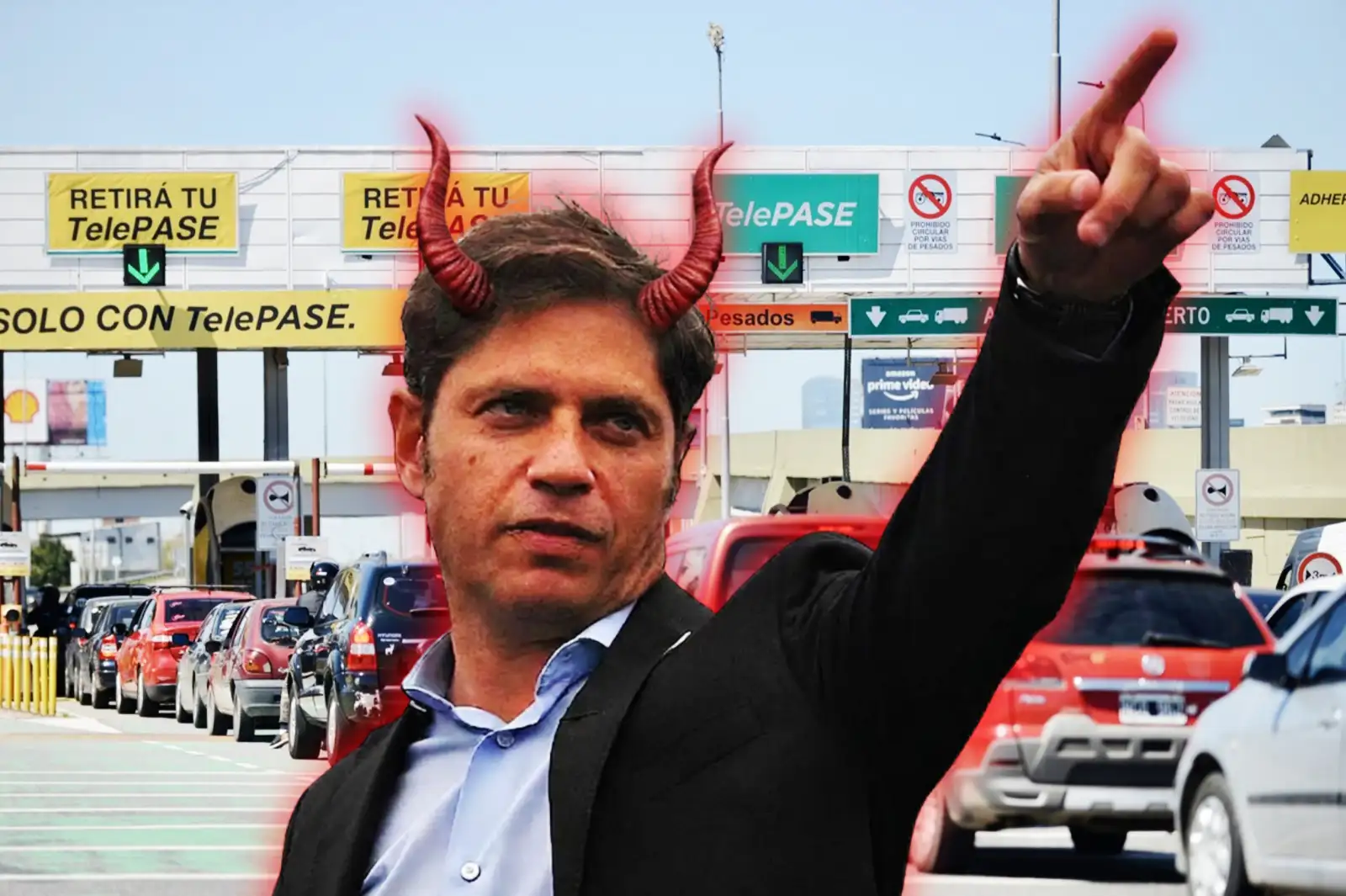
The Buenos Aires government implemented a 6.71% increase in the rates for provincial routes, a measure that raises travel costs and makes it difficult for thousands of families to move around and enjoy the winter break
The fiscal voracity does not stop at urban access points. Just ten days before the start of the winter break, the corridor to the Atlantic coast has become a prohibitive luxury. The tolls at Samborombón, Maipú, and La Huella have raised their rates to $7,900, while the Mar Chiquita toll has seen an increase of 8.8%, reaching $3,700.
For a family wishing to vacation in Mar del Plata, the total cost in tolls for a round trip amounts to the astronomical figure of $31,600.
In a clear demonstration of the insensitivity that characterizes the Kirchnerist stronghold in the Province of Buenos Aires, traveling on the concessioned routes is 6.71%more expensive. This measure, formalized through Resolution 544/2026 from the Ministry of Infrastructure and Public Services, directly impacts the Buenos Aires-La Plata Highway and the Integrated Atlantic Road System (SVIA).
The blow is felt daily by thousands of workers and students who, far from receiving relief, are victims of a scheme of quarterly updates that seems to have no ceiling.
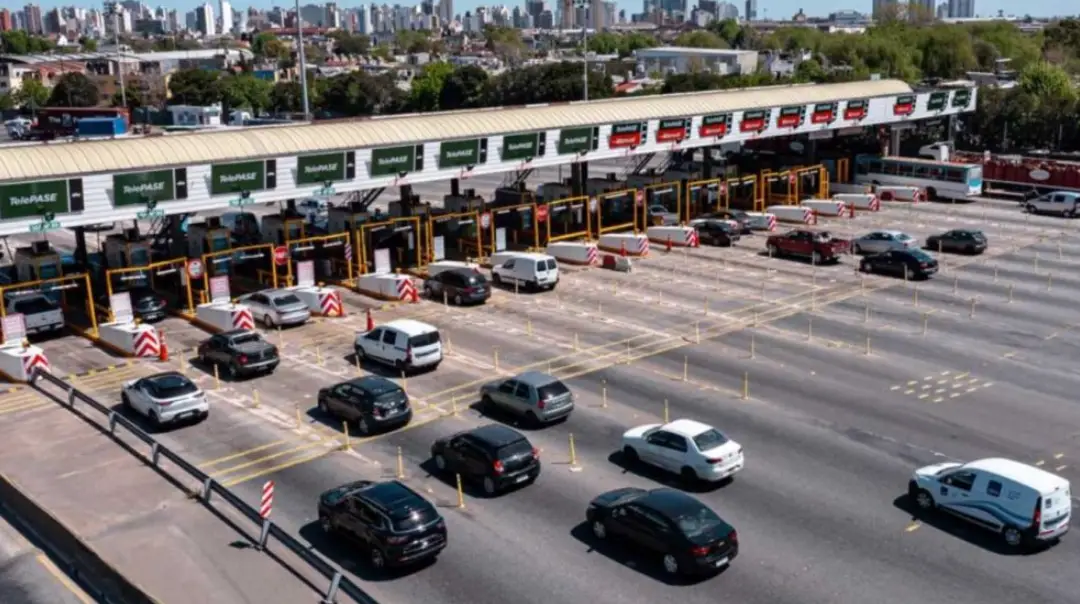
Toll Collection BSAS- La Plata
The impact on the Buenos Aires-La Plata Highway is devastating for family budgets. Those traveling from the Buenos Aires capital to CABA now face a cost of $6,000 for the Hudson toll for private cars.
However, the return trip is even more burdensome, as the government of Kicillof charges for two stations: Dock Sud at $3,000 and Hudson (towards La Plata) at $3,000 during peak hours.
In total, a round trip reaches $12,000 during peak traffic hours, which are from Monday to Friday from 7 to 10 and from 17 to 20. Other collection points such as the Bernal toll (towards Quilmes-CABA) register values of up to $5,100.
Axel Kicillof, governor of Buenos Aires.
The provincial government attempts to justify this plunder under the technicality of the Tariff Variation Coefficient (CVT), an index composed of 55% from the Salary Index, 25% from the IPIM, and 20% from the IPC.
According to sources from the state company AUBASA, chaired by José Ramón Arteaga, these updates allowed to "clean up" the company and face a plan of works and improvements with its own resources.
However, despite announcing investments of $348 billion in projects such as the City Bell exit and the repaving of the Autovía 2, the reality is that users continue to pay first-world prices for roads managed under the inefficient model of a present state.
In short, while the National Government moves towards freedom and macroeconomic order, the management of Axel Kicillof consolidates as the last refuge of impoverishing interventionism, punishing the mobility and tourism of Argentines with relentless increases.