The province of Río Negro is advancing with the development of the electrical project El Solito–Negro Muerto, a project that involves an investment of over USD 8.4 million and aims to strengthen the energy infrastructure of an area with significant potential to expand the agricultural frontier.
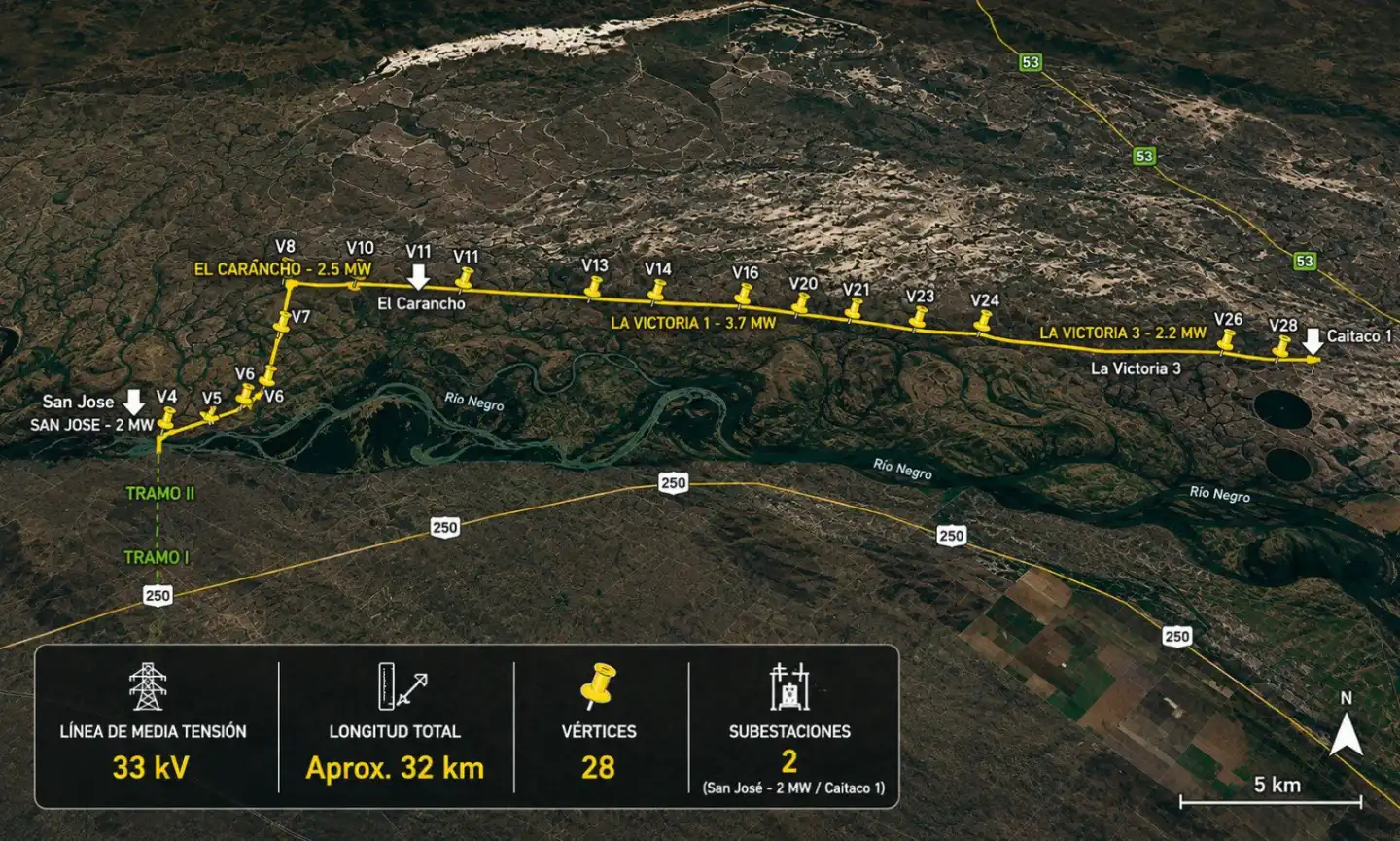
The initiative includes more than 32 kilometers of electrical lines, in addition to crossing the Negro River and constructing seven transformer substations.
The new infrastructure will improve access to energy and create conditions to incorporate technology, optimize production processes, and enhance the competitiveness of activities taking place in the area.
The project
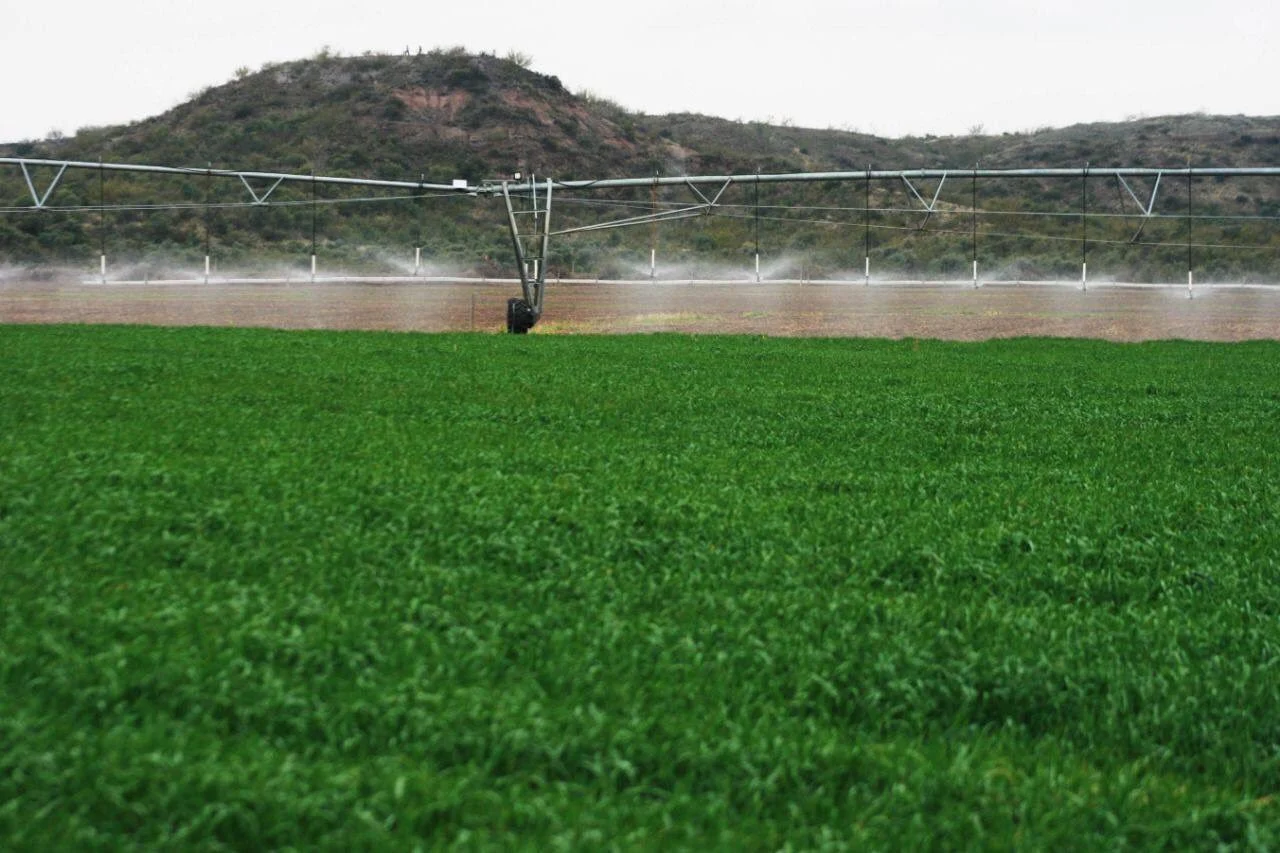
One of the main objectives of the project is to advance the production of approximately 13,000 hectares of Negro Muerto, an area that represents an opportunity to expand agricultural activity and generate new sources of employment linked to the productive growth of the region.
The availability of electrical energy is one of the central factors to support the expansion of economic activities. The projected infrastructure aims to ensure the necessary supply so that production facilities can incorporate new tools and improve their processes.
The El Solito–Negro Muerto project will cross the Negro River through the planned electrical lines and will have seven transformer substations distributed to sustain the energy supply of the area. In this way, the project aims to address one of the necessary conditions to advance with the development of new productive areas.
Crops
The investment of over USD 8.4 million is thus aimed at generating infrastructure capable of supporting the growth of production in Río Negro. The goal is for the available potential in Negro Muerto to translate into a larger area incorporated into agricultural activity.
From Río Negro, it was emphasized that the planning of such projects seeks to create the necessary conditions to transform the productive potential of the region into more production and employment.
In this context, the expansion of electrical infrastructure constitutes a key component to sustain the development of existing activities and facilitate the incorporation of new areas into production.