Ravettino described the meeting as extremely positive and acknowledged the work the Government has been doing, especially regarding bilateral and multilateral negotiations to consolidate and expand the presence of Argentine meat in major international markets.
Another central point was the need to increase the availability of raw materials to meet growing external demand. In this regard, the sector emphasized the importance of working on the recovery of livestock stock and creating conditions that allow for increased production.
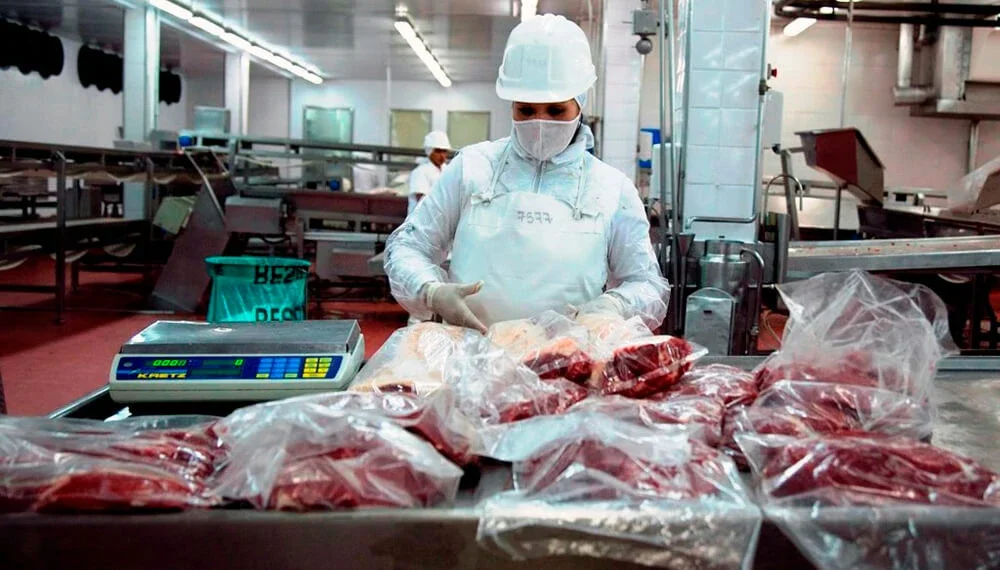
Argentine refrigerators are dominating regional export quotas
The issue of informality affecting the livestock and meat chain was also addressed, a problem that impacts the entire activity and that, according to Ravettino, found receptiveness from national authorities. The Government and the private sector agreed on the need to work on joint proposals to reduce these distortions.
Finally, the head of the ABC Consortium highlighted that, in a world marked by conflicts and geopolitical tensions, animal protein is becoming increasingly relevant. In this context, Argentine beef has an exceptional opportunity to establish itself as a reliable food supplier for the world.
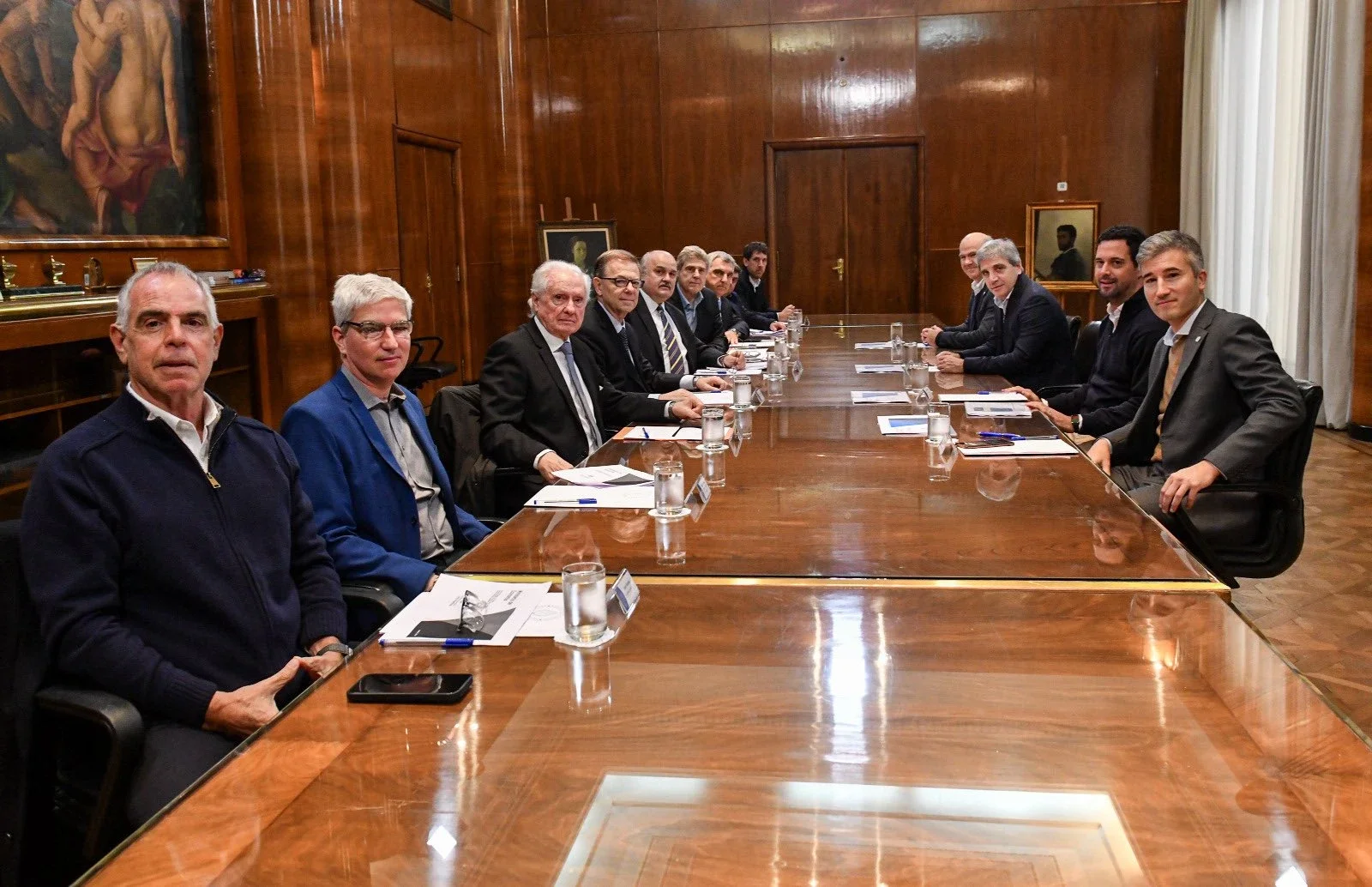
The Minister of Economy, Luis "Toto" Caputo, met with representatives from the main freezing chambers in the country in a working meeting focused on the future of the Argentine meat export industry, the opening of new markets, and the need to continue reducing the Argentine cost to gain competitiveness.
The meeting was attended by the Secretary of Production Coordination, Pablo Lavigne; the Secretary of Agriculture, Livestock, and Fisheries, Sergio Iraeta; and the Undersecretary of Agro-Food Markets and International Insertion, Agustín Tejeda Rodríguez. From the private sector, the Consortium of Argentine Meat Exporters ABC was represented by its president, Mario Ravettino, along with members of its Executive Committee.
The Minister of Economy met with representatives of Argentine cold storage facilities.
After the meeting, Caputo emphasized that companies in the sector reaffirmed their intention to continue investing in Argentina and highlighted the new opportunities opened as a result of trade agreements with the United States and the European Union, which allowed for market expansion and boosted Argentine meat exports.
The agenda also included the challenge of consolidating national presence in strategic destinations such as China, the United States, Japan, the European Union, and Israel, as well as advancing into Southeast Asian markets like Vietnam, Indonesia, Malaysia, and Thailand.