The initiative driven by the Brazilian president raises concerns among business leaders and economists about its possible effects on employment, investment, and competitiveness.
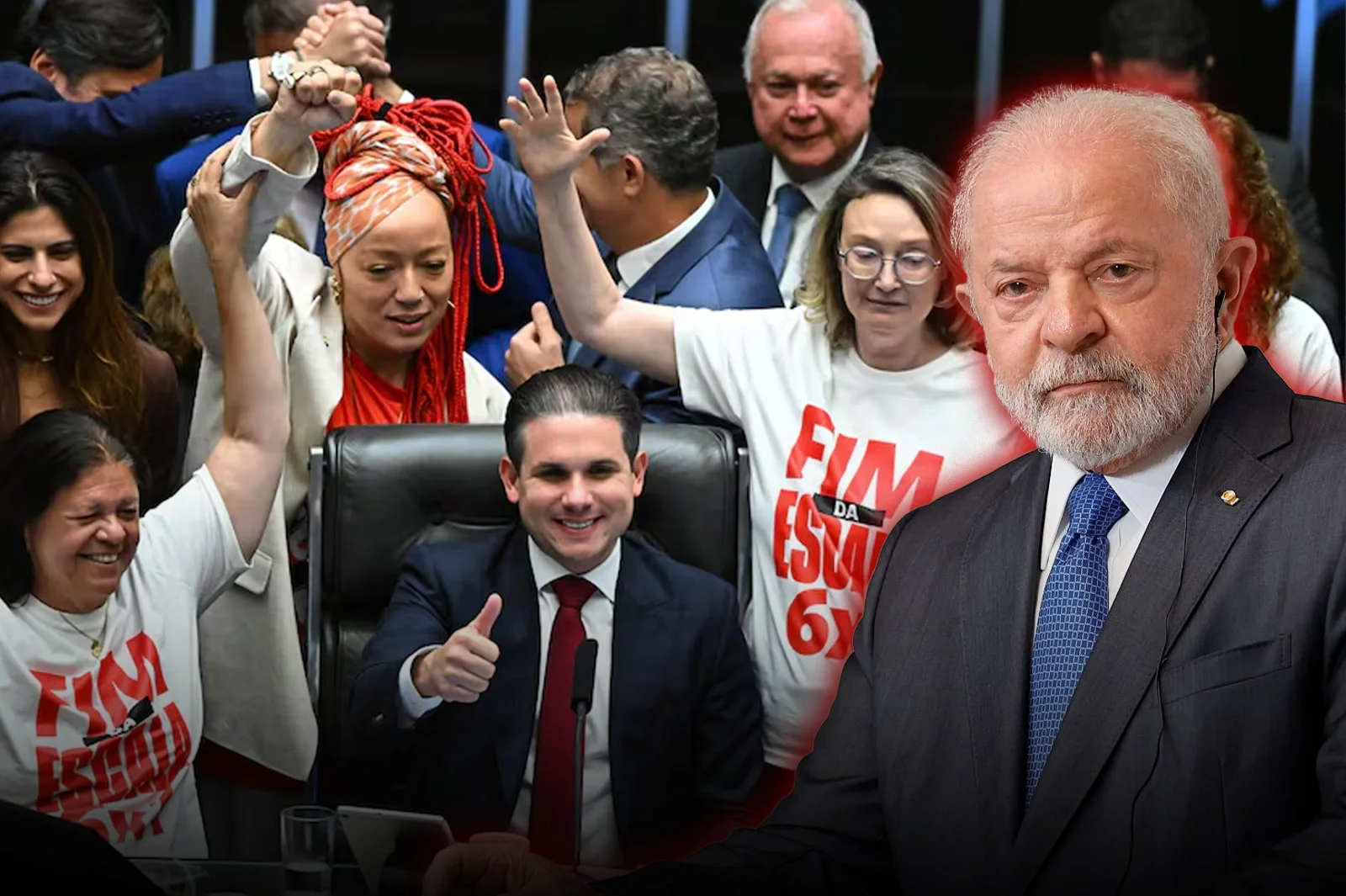
The Chamber of Deputies of Brazil approved a bill to reduce the maximum workweek to 40 hours, a measure supported by President Luiz Inácio Lula da Silva and celebrated by unions and leftist organizations. However, the initiative has raised strong concerns among business leaders and economists, who warn about its possible consequences for the Brazilian economy.
The proposal advances at a particularly delicate moment for Lula's government, which faces difficulties in boosting economic growth, persistent fiscal problems, and an increasingly complicated reelection campaign. Various polls published in recent months show a decline in the president's popularity and an electoral race increasingly favorable to the conservative opposition.
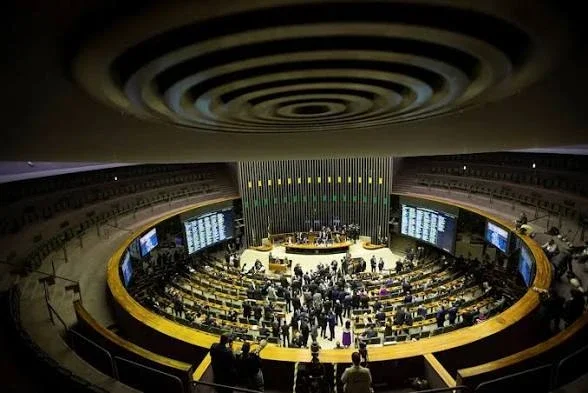
The Brazilian Chamber of Deputies
Moreover, reducing the workweek without a proportional decrease in wages will significantly increase hiring costs for companies. This could particularly affect small and medium-sized enterprises, which are a fundamental part of the Brazilian economy and private employment.
At the same time, the measure could decrease Brazil's competitiveness compared to other emerging countries that maintain more flexible labor markets. In a context of growing global competition for productive investments, several economists believe that the reform could send negative signals to national and international investors.
Business sectors also point out that the main Brazilian challenge is not the number of hours worked but low economic productivity. According to this view, the country should prioritize reforms aimed at improving education, job training, infrastructure, and bureaucratic simplification rather than increasing regulations on the labor market.
Demonstration against the government of Lula da Silva
Opposition sectors accuse the government of promoting politically charged measures amid an increasingly difficult electoral campaign for the president. They argue that the reduction of the workweek responds more to electoral goals than to a sustainable economic strategy.
As the bill continues its legislative journey, the debate has already become one of the most controversial topics in Brazilian politics. For many observers, the initiative represents a new test for the economic model promoted by Lula da Silva at a time of growing uncertainty about the political and economic future of the country.