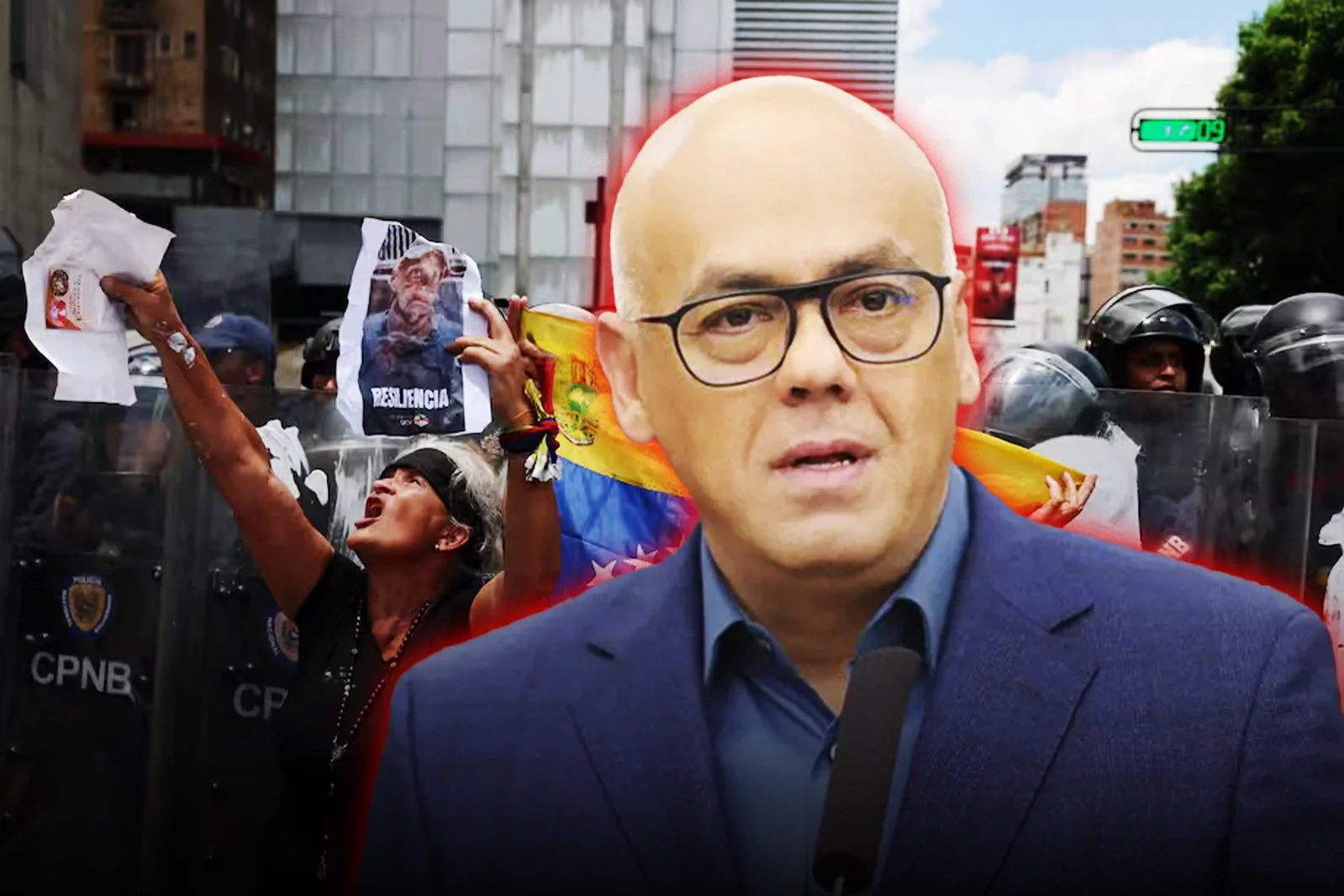
The announcement comes in a context of strong internal and international pressure following the death in state custody of Víctor Hugo Quero, who had been detained since January 2025. The case provoked a wave of outrage in Venezuela after his family reported that the government concealed information about his death for months.
The president of the Venezuelan National Assembly, Jorge Rodríguez, announced that the Chavista regime will release 300 political prisoners in the coming days amid increasing international pressure regarding the human rights situation in Venezuela.
According to the official leader, the releases will take place between this Monday and Friday and will include elderly detainees, people with health problems, and some prisoners who have been incarcerated for more than two decades.
Rodríguez, brother of the interim president Delcy Rodríguez and one of the main strongmen of Chavismo, avoided officially recognizing the existence of political prisoners in the country and maintained that the released detainees “have committed crimes.”
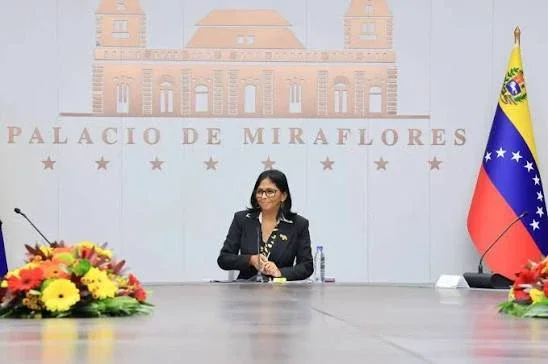
The Venezuelan dictator Delcy Rodríguez
However, human rights organizations and opposition leaders believe that many of them were imprisoned for political reasons or for links to critical sectors of the regime.
Days after his death was officially confirmed, his mother, Carmen Navas, also passed away, having spent more than a year demanding information about her son.
In recent months, various international bodies have reported torture, enforced disappearances, arbitrary detentions, and severe prison conditions in Venezuela. The Venezuelan Prison Observatory and organizations like Foro Penal maintain that there are still more than 400 political prisoners detained in the country despite the releases previously announced by Chavismo.
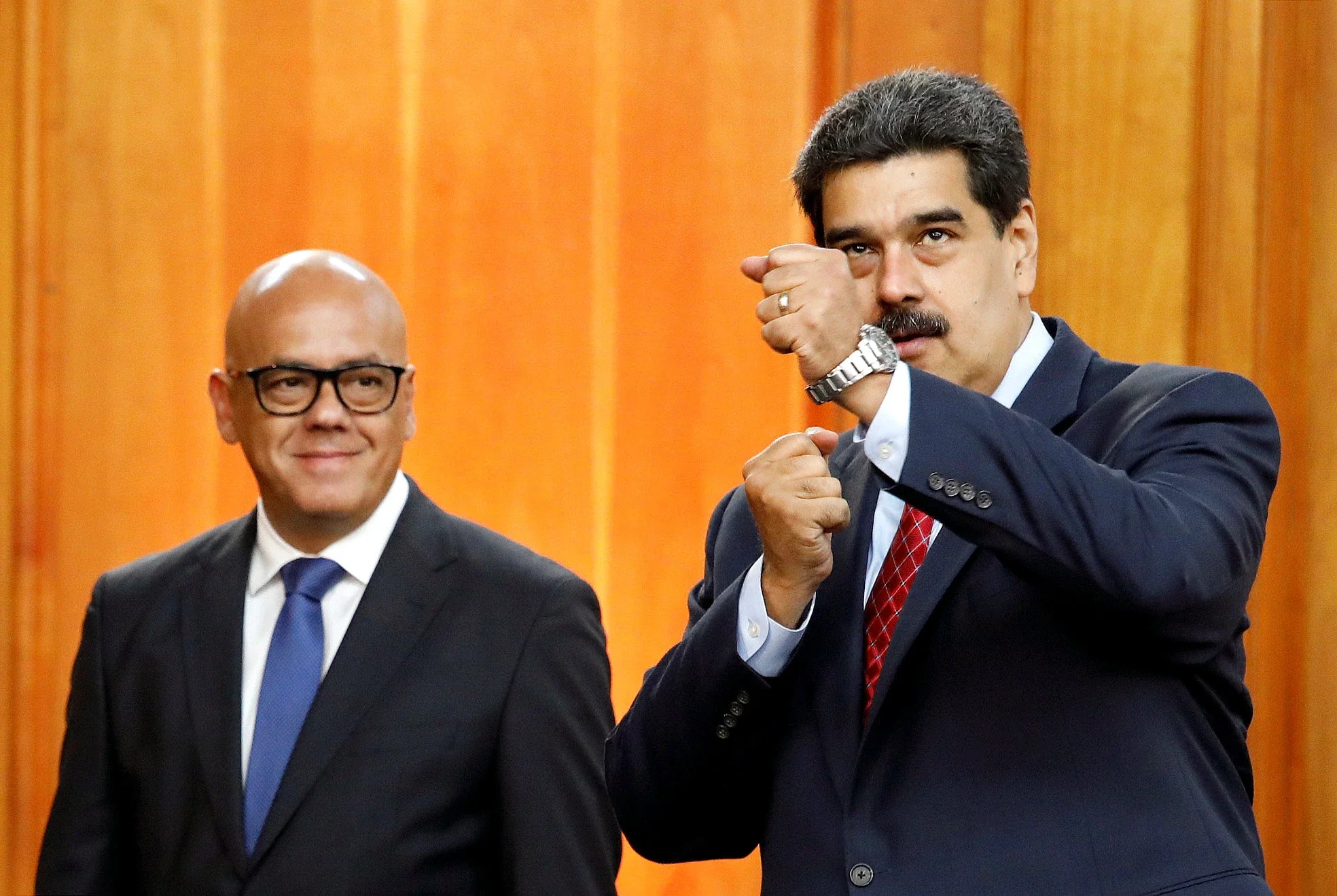
Jorge Rodríguez alongside the former dictator Nicolás Maduro
The Venezuelan regime had already announced other partial releases since early 2026, although human rights organizations report that these processes are often selective, discretionary, and politically used by Chavismo to alleviate international pressure.
The releases also coincide with a moment of internal reconfiguration within Chavismo following the political downfall of historical figures close to Nicolás Maduro and amid indirect negotiations with the United States regarding sanctions, investments, and diplomatic normalization.