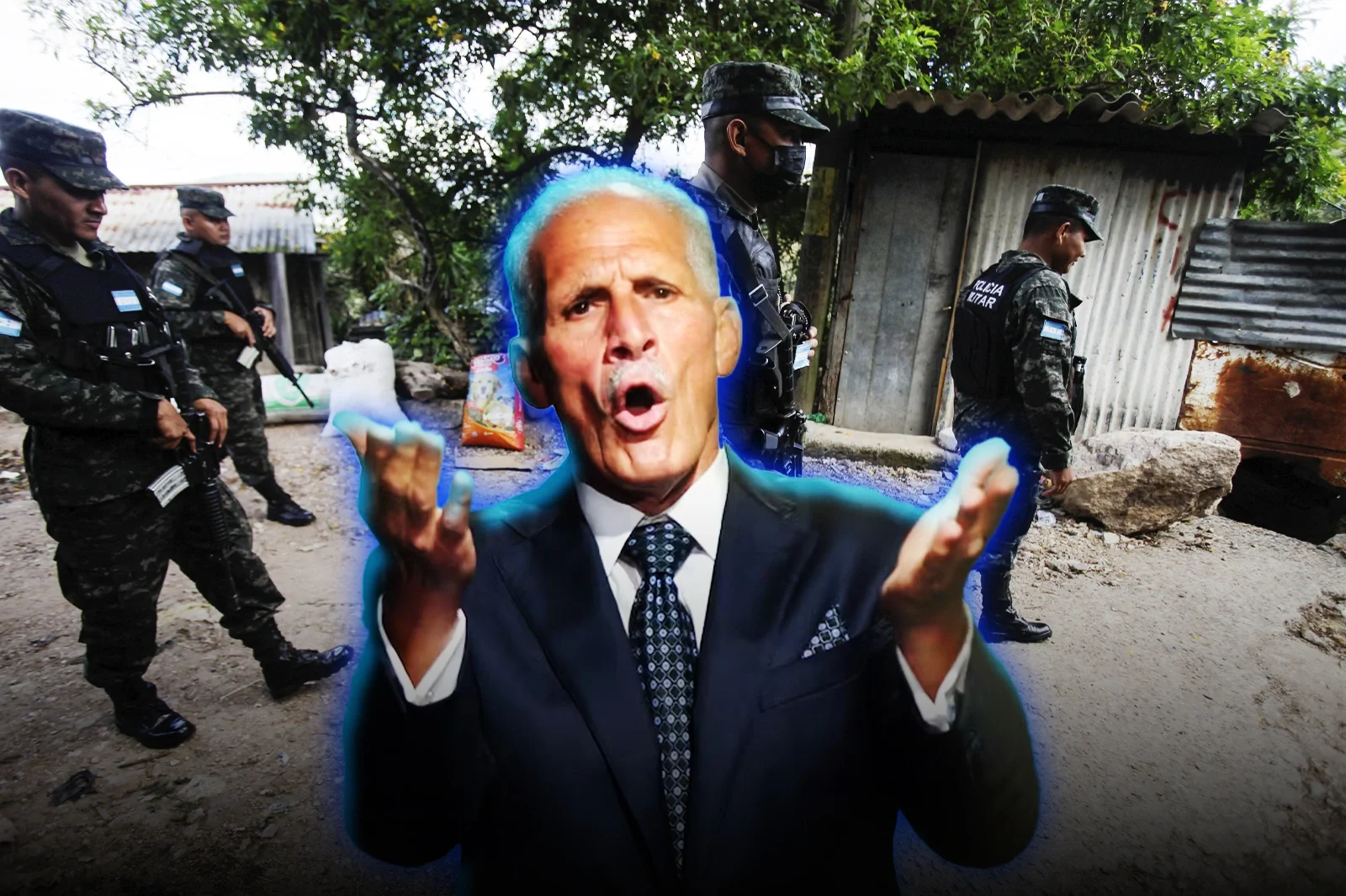
The president of the Congress of Honduras, Tomás Zambrano, announced that the country will reinforce the presence of the Armed Forces on the streets to combat gangs, maras, and organized crime, amid growing concern over insecurity and violence.
As the Honduran leader explained, the Government will promote a “frontline combat” strategy against criminal structures through a joint deployment of military and police at various points across the country. The measure primarily aims to tackle crimes related to extortion, homicides, and drug trafficking.
“Order and concrete actions against crime are required. The population wants security and answers,” Zambrano stated while defending the recently approved criminal reforms by the Honduran Congress.
The official also confirmed that the Armed Forces will have greater powers within the penitentiary system, especially in the administration and security tasks of prisons. Additionally, he announced that Honduras will advance in the construction of new penal centers with maximum security standards to address overcrowding and disorder within prisons.
In parallel, the Congress approved the creation of a National Crime Agency (ANC), a specialized body that will depend on the National Council of Defense and Security and will focus on criminal intelligence, investigation, and operational coordination against criminal organizations.
Zambrano stated that these measures respond to specific requests from judicial operators and security agencies, who demanded tougher legal tools to confront the advance of maras and criminal gangs that have affected the quality of life in various regions of the country for years.
Honduran gangs.
The strategy resembles security hardening models applied in other countries in the region, where governments opted to reinforce military presence and expand the powers of security forces in response to the growth of organized crime.
The head of the Honduran Congress also definitively ruled out the possibility of building prisons on remote islands, a proposal debated in previous years, considering it “unfeasible” from a logistical and financial standpoint. Instead, he assured that the State already has suitable land to expand the penitentiary infrastructure within the continental territory.